Leave Your Message

7 Rock Climbing Gloves Buying Tips for Global Buyers

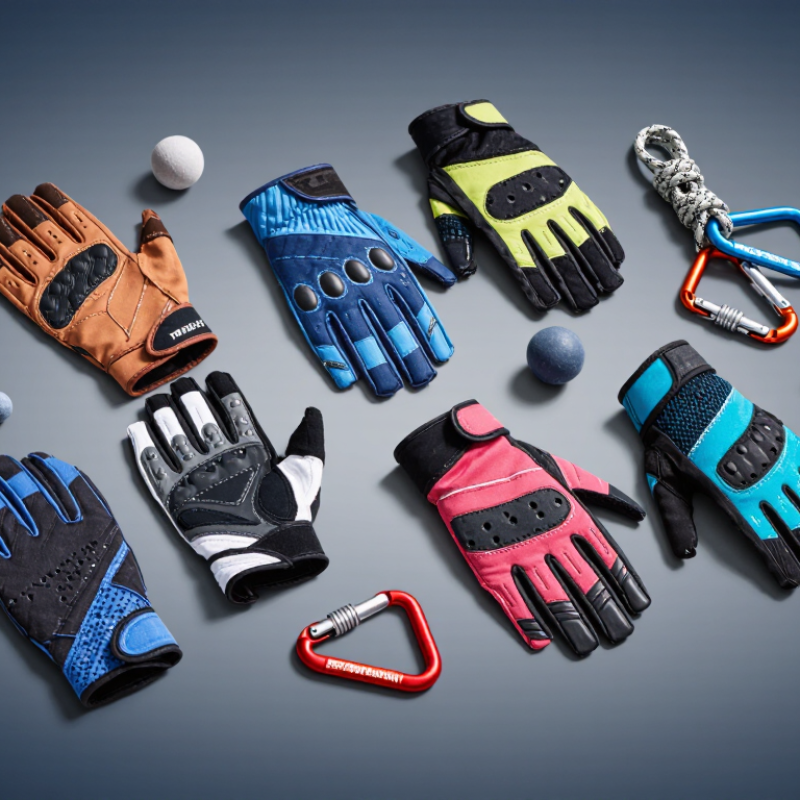
Rock Climbing Gloves may look like a simple accessory, but small design choices can change grip, comfort, and service life. A glove that feels secure on a cool indoor wall may become stiff or slippery on rough outdoor rock. For global buyers, the challenge is broader: products must suit different climbing styles, climates, hand shapes, and customer expectations. No single specification fits every market.

A practical buying process starts with intended use, then checks materials, sizing, palm coverage, stitching, closure, and ventilation. Compare how each feature affects dexterity and abrasion resistance, rather than relying on appearance alone. Request samples and examine seams, finger movement, and grip with realistic holds. Ask suppliers for clear specifications, material details, quality-control procedures, and consistent production records. Check packaging and destination-market requirements before placing a large order; requirements can differ by country and product category. Small trial orders help reveal fit problems and batch variation before they reach customers. Useful, but not foolproof. Even a careful sample review cannot predict every user’s experience, and online size charts may leave room for interpretation. That is the awkward part. The seven tips in this guide offer a structured way to compare options, ask better questions, and make a more informed purchasing decision without treating any one feature as a guarantee.
7 Rock Climbing Gloves Buying Tips for Global Buyers

Identify Your Climbing Style and Intended Use

Start with the climbing you actually do, not the glove’s appearance. For sport climbing, bare hands often preserve better feel on small holds, while gloves may help during belaying or rope handling. For crack climbing, purpose-made crack gloves can protect the backs of your hands from abrasions while keeping your palms available for contact. Bouldering usually calls for grip and finger freedom, so a full glove may feel bulky. Feel matters.

Think about where friction and wear occur. A belay glove should let you handle the rope smoothly and protect high-contact areas without bunching at the fingers. A crack glove should fit close, with no loose edges that could catch or shift. Try gripping a rope, making a fist, and reaching for a small edge before choosing. If you climb several styles, one pair may not serve them all well. It is easy to overestimate how much protection you need; extra material can reduce control. That trade-off deserves a real test.
Compare Glove Materials, Grip, and Finger Coverage

Material choice changes both comfort and service life. Leather often resists abrasion from rough rock, but it can feel stiff when new and take longer to dry. Synthetic fabrics usually dry faster and may feel lighter. Some gloves combine materials, using tougher palms and flexible backs. Check the seams and palm panels closely. Thin stitching can wear quickly against gritty holds.

Grip needs a close look. A textured palm can help when handling rope or gripping rough surfaces, yet thick padding may reduce finger feedback. That trade-off matters. Try closing your hand around a rope and clipping a carabiner before buying. The glove should not bunch at the palm or pull across the thumb. Small details matter. A coating that feels tacky indoors may behave differently when dusty or damp, so avoid judging grip by touch alone.

Finger coverage depends on the route and the task. Fingerless designs leave fingertips free for precise holds, but offer less protection from sharp edges and cracks. Full-finger gloves cover more skin, though tight fingertips can make small adjustments awkward. Check that each finger bends naturally and that the cuff stays clear of your wrist. It is easy to focus on protection and overlook dexterity; even a slight loss of feel can change how confidently you handle gear.

Check Fit, Dexterity, and Sizing for Your Market

For global buyers, glove fit is not a minor comfort detail; it affects grip, feedback, and wear habits. Ask suppliers for palm circumference and hand-length measurements, not just S, M, or L. Measure across the knuckles with fingers together, then compare both hands; many people have a slight difference. A paper chart helps. Still, it is not perfect.

Check dexterity with tasks that resemble climbing: pinch a small hold, tie a knot, and adjust a buckle. Fingertips should not bunch, and seams should not press hard when the hand closes. If gloves feel secure only with a tight wrist closure, the palm may be too large. Request samples across the size range and test them after several minutes, not just at first touch. That takes time.

Sizing differs between markets and product cuts, so compare measurements rather than label names. For bulk orders, request a size breakdown based on customers’ measured hands, then track exchanges by size after launch. Consider climate, too: a thin liner or warm conditions can change perceived tightness. Some buyers may prefer a close fit; others need easier removal. One chart rarely fits everyone.

Assess Durability, Weather Protection, and Care Needs

Durability starts with the palm, seams, and fit. For frequent use, inspect reinforced contact zones and stitching around the fingers, where rope friction can wear material quickly. Ask suppliers how abrasion resistance is tested, and compare results only when test methods match. A sample matters. Flex the glove, grip a rope, and check for loose threads after repeated use. One brief trial cannot predict years of service, but it can reveal stiff panels or awkward seams. I used to treat thicker fabric as automatically tougher; that assumption can overlook poor fit and reduced dexterity.

Weather protection depends on the conditions buyers expect. A water-resistant outer layer may help in drizzle, while a breathable construction can reduce clammy hands during long approaches. No glove suits every climate. In cold, wet regions, check whether the lining stays comfortable when damp and whether cuffs fit beneath jacket sleeves. In hot markets, prioritize airflow and quick drying. Ask for clear care instructions, including washing temperature and drying method. Heat can damage some coatings or elastic parts, so avoid guessing. Let gloves air-dry fully before storage. Small detail, big difference. Also confirm that cleaning does not weaken seams or grip; care guidance should be specific, not merely “wash gently.”

7 Rock Climbing Gloves Buying Tips for Global Buyers - Assess Durability, Weather Protection, and Care Needs
Tip What to Assess Practical Buying Guidance Care or Use Consideration
1 Choose gloves for the intended activity Belay and rappel gloves protect hands from rope friction and abrasion. Crack-climbing gloves are designed to protect the backs of the hands while preserving palm contact. These styles serve different purposes. For technical climbing, gloves can reduce hand feel and grip. Check whether gloves are appropriate for the route and activity.
2 Check high-wear areas and construction Look for reinforced palms, fingertips, and areas exposed to rope or rock contact. Secure stitching and well-finished seams can help the gloves withstand repeated use. Inspect seams and worn sections regularly. Replace gloves if damage affects protection or fit.
3 Match materials to the conditions Leather and synthetic fabrics have different feel, durability, drying, and maintenance characteristics. Compare the product’s material specifications rather than assuming all gloves perform alike. Follow the care label. Some leather products need different cleaning and conditioning than synthetic gloves.
4 Assess weather protection For cold or damp conditions, check whether the glove has insulation, a wind-resistant outer layer, or a water-resistant treatment. Water resistance does not necessarily mean a glove is waterproof. Wet gloves can feel colder and may lose comfort or grip. Dry them thoroughly between uses and away from direct high heat.
5 Prioritize fit and dexterity Choose a close, secure fit that allows natural finger movement without excessive pressure. Check wrist coverage and whether closures stay secure during belaying or rope handling. Use the seller’s size chart and measure as directed. A bulky or poorly fitted glove can make handling small items more difficult.
6 Compare grip and rope handling Consider palm texture and finger design for the intended task. Where possible, try handling a rope while wearing the gloves to assess control and comfort. Keep gloves clean and free of substances that may transfer to rope or reduce friction. Follow the rope and glove manufacturers’ care guidance.
7 Review care needs and replacement practicality Before buying, check washing instructions, drying requirements, and whether replacement is practical in the regions where the gloves will be used or sold. Remove dirt according to the care label, air-dry completely, and store in a dry place. Avoid washing or treatments not approved for the glove material.

Verify Product Quality, Safety Requirements, and Import Details

7 Rock Climbing Gloves Buying Tips for Global Buyers

Before placing a large order, inspect samples under realistic conditions. Check stitching around the fingers, palm reinforcement, and seams after repeated gripping. A loose thread can reveal poor finishing. Ask for material specifications and test reports that match the exact model and production batch. Reports for a similar glove are not enough. Check sizing across several samples, since tight fingers can limit movement and loose palms may bunch on holds.

Safety needs depend on the glove’s intended use and destination market. Ask suppliers to identify applicable product and labeling requirements, then verify them with a qualified testing provider or import specialist. Gloves should not be treated as a replacement for climbing equipment or safe technique. Check grip, finger feel, and wrist movement during a controlled trial. This detail is easy to overlook: a glove can feel secure on a desk but slippery on rough, dusty rock.

Confirm the country of origin, product description, carton count, weights, and dimensions before shipment. Make sure invoices and packing lists use consistent details, and confirm who handles duties, insurance, and transport under the agreed shipping terms. Ask how defects will be documented and resolved. Keep a signed sample for comparison with the delivered batch. It adds time, admittedly, but skipping that step can make a quality dispute harder to assess.