How to Choose the Best First Aid Kit for Your Needs?
Choosing the right First Aid Kit can be daunting. Dr. Emily Johnson, an emergency medicine expert, emphasizes, "A good kit saves lives when every second counts." This statement highlights the significance of understanding your own needs before purchasing a kit.
Different environments require different supplies. A family with children might need pediatric-specific items. On the other hand, outdoor enthusiasts often require supplies for injuries that may occur in rugged conditions. Not all kits are created equal, and overlooking essential items can prove costly in emergencies.
Reflecting on past experiences can guide your choice. Think about situations you've faced. Have you had enough supplies? Understanding personal risks is critical. This careful consideration will ensure your First Aid Kit is well-equipped to handle emergencies.
Understanding the Types of First Aid Kits Available
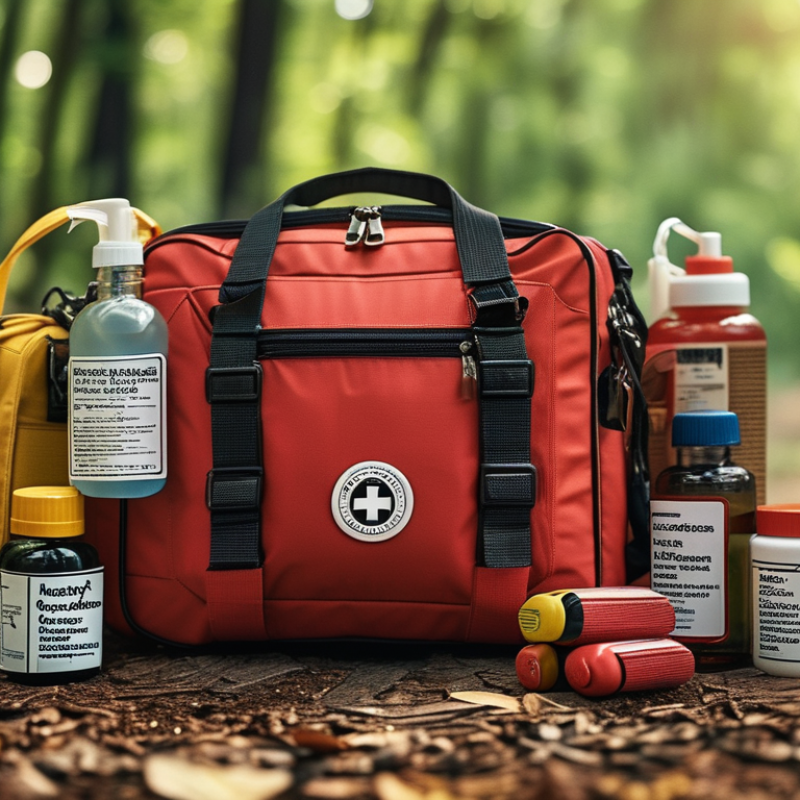
When choosing a first aid kit, understanding the types available is essential. There are basic kits for home use, specialized kits for outdoor activities, and those tailored for specific medical conditions. Basic kits often include band-aids, antiseptic wipes, and gauze. Outdoor kits may have items such as snakebite kits and emergency blankets.
**Tips:** Always consider the scenarios where you might need your kit. A family camping trip requires different supplies than a kit for your car. Reflect on your lifestyle and common activities.
A kit designed for sports injuries is also a good option. These often include ice packs and elastic bandages. On the other hand, a workplace kit might need more advanced supplies. Check if you require items like splinting materials or burn dressings.
**Tips:** Regularly review and update your first aid kit. Outdated supplies can be useless during an emergency. A well-stocked kit reflects your awareness of potential risks.
Assessing Your Specific First Aid Needs and Considerations
When choosing a first aid kit, consider your specific needs. Identify the primary activities you will engage in. Are you hiking, camping, or at home with children? Each scenario demands different supplies. For example, outdoor activities require items for treating bites and stings. A kit for family use might focus more on childhood injuries.
Take stock of your environment. Assess potential risks based on location. Is there a higher chance of cuts or allergic reactions? Include supplies like antiseptics and allergy medication to address these concerns. Additionally, think about the number of users. A larger family may require more supplies than a solo adventurer.
Consider your level of expertise. Knowing how to use the contents of your kit is vital. Even the best supplies will be ineffective without the knowledge to utilize them properly. Review the materials and instructions regularly, especially if you have new items. Periodically reassess your kit. What was relevant last year might no longer apply. Keep it current to ensure readiness.
Essential Components to Include in Your First Aid Kit
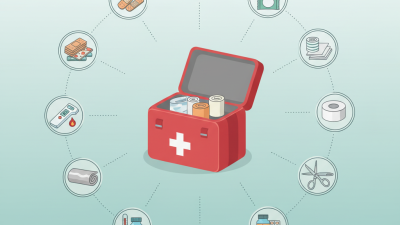
When assembling a first aid kit, understanding essential components is crucial. The American Red Cross recommends including items like adhesive bandages and antiseptic wipes. These basic supplies treat minor injuries effectively. Basic gloves and gauze pads are also vital for wound care. These items can prevent infection and promote healing.
A surprising statistic shows that nearly 30% of households lack a proper first aid kit. This is concerning, as emergencies can arise unexpectedly. To ensure readiness, consider adding items like scissors, tweezers, and a burn dressing. These tools allow for a more comprehensive response to various injuries. Moreover, a CPR face shield can be a critical addition, offering safety during emergency rescue efforts.
Storage and accessibility are also important factors. Many kits lack organization, making it hard to find necessary supplies quickly. A well-organized kit can save precious time during emergencies. Regularly checking and restocking supplies ensures your kit remains effective. Lifesaving situations can occur at any moment, so preparedness is paramount. Think about what scenario you might encounter, and tailor your kit accordingly.
How to Choose the Best First Aid Kit for Your Needs? - Essential Components to Include in Your First Aid Kit
| Component |
Purpose |
Recommended Quantity |
| Adhesive Bandages |
To cover small cuts and scrapes |
10-15 pieces |
| Gauze Pads |
To absorb blood and protect wounds |
4-6 pads |
| Elastic Bandage |
To wrap sprains or strains |
1-2 pieces |
| Antiseptic Wipes |
To clean wounds |
5-10 wipes |
| Medical Tape |
To secure dressings |
1 roll |
| Scissors |
To cut tape, gauze, or clothing |
1 pair |
| Tweezers |
To remove splinters or debris |
1 piece |
| Pain Relievers |
To reduce pain and fever |
Varies, include a small bottle |
| Emergency Blanket |
To retain body heat |
1 piece |
| CPR Face Shield |
To provide safe breathing during CPR |
1 piece |
Evaluating the Quality and Durability of First Aid Kits
When selecting a first aid kit, quality and durability are essential. A well-constructed kit can withstand various conditions, whether in a home, vehicle, or workplace. According to a report by the American Red Cross, 30% of first aid kits fail to meet basic quality standards for emergency supplies. This raises serious concerns about their effectiveness when needed most.
Durability often reflects materials and design. Many kits utilize plastic or fabric that may deteriorate over time. Research indicates that kits made with high-quality, tear-resistant materials last longer and provide reliable protection for contents. Furthermore, waterproof or water-resistant kits offer added assurance, particularly for outdoor use.
Industry experts suggest that checking the shelf life of items inside the kit greatly impacts reliability.
It’s important to examine the contents closely. Items like adhesive bandages, antiseptic wipes, and gauze should remain sterile. However, there is often confusion about expiration dates. Some individuals may underestimate this aspect, continuing to rely on outdated supplies. This oversight can compromise the safety and effectiveness of the kit.
Prioritizing quality while being mindful of maintenance ensures you have a trustworthy first aid kit when emergencies arise.
Tips for Maintaining and Updating Your First Aid Kit Regularly
Maintaining a first aid kit is crucial for ensuring it can effectively address emergencies. Over time, items can expire or become depleted, so regular checks are vital. Schedule periodic reviews, at least every six months. This helps to refresh the contents and ensures that everything is in working condition.
During these checks, look for expired medications and replace them. Sterile dressings can lose their effectiveness. Always ensure adhesive bandages are still sticky and intact. It’s also a good idea to restock any items that have been used. Keep a running list of what’s missing to streamline the process.
Consider assessing your specific needs, too. Families may require different items than outdoor enthusiasts. Think about lifestyle changes, like new family members, pets, or activities. Adapting your kit keeps it relevant and functional. Reflect on past incidents. They can guide you to add useful items you may not have considered before. Regular maintenance ensures safety in emergencies.