- Home
- About Us
- Sports
- Fan Stuff
- Pet Stuff
- Labour Protection
- Promotion Items
- Blog
- Contact Us
Leave Your Message
Choosing the right Kneelet Kneecap in 2026 requires more than comparing prices or colorful product photos. Global buyers now face varied designs, including open-patella sleeves, closed-knee supports, hinged models, compression wraps, and lightweight sports versions. Each type serves a different purpose. Some improve warmth and compression. Others help guide the kneecap during movement.
Dr. Daniel Wiznia, a knee-replacement researcher and orthopedic specialist, has said, “A brace should support movement, not replace rehabilitation.” That principle remains important for buyers. A Kneelet Kneecap should fit the intended activity, body shape, and level of support. It should not promise instant recovery. That claim deserves caution.
Experienced buyers usually inspect fabric stretch, seam strength, silicone grip, sizing accuracy, and washing performance. A sleeve that rolls down after ten minutes can become a daily frustration. A rigid support may feel secure but restrict natural bending. Small details matter, especially for warehouse workers, runners, older users, and people returning to exercise.
This guide examines the 2026 top Kneelet Kneecap types for global buyers. It compares construction, comfort, support level, durability, and practical value. It also considers packaging clarity and supplier communication. These areas are often overlooked.
No single design fits everyone. That is the inconvenient truth. Product descriptions can also sound more precise than real-world performance. Buyers should review measurements, request material samples, and seek professional advice when pain, swelling, or instability continues.
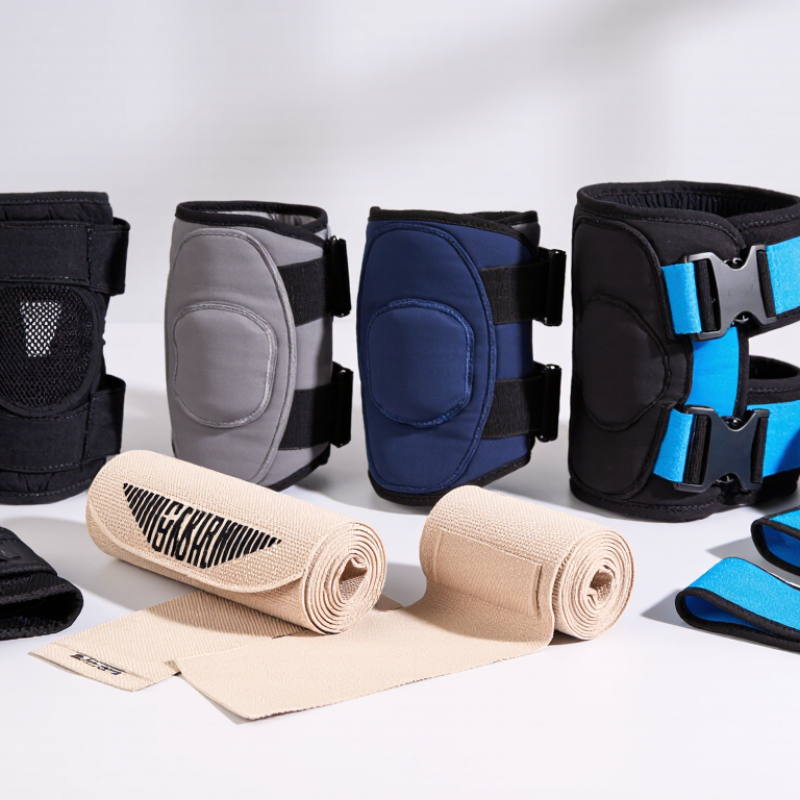
Kneelets and kneecaps serve different roles, although buyers often use these terms loosely. A kneelet usually means a soft sleeve that adds compression, warmth, and light proprioceptive support. A kneecap may describe a patella-support brace, patellar strap, or protective shell. The boundary is not always clean. Product specifications should state the intended joint area, support level, and adjustment range.
Materials shape comfort and performance. Neoprene retains heat and offers firm compression, but it can feel warm during long wear. Nylon, polyester, and elastane create lighter, stretchable sleeves with better moisture management. Silicone grips can reduce sliding, while molded thermoplastic components provide stronger protection around the patella. A 2023 World Health Organization report estimated that 528 million people lived with osteoarthritis globally in 2019. That figure supports demand for supportive products, but a kneelet cannot repair damaged cartilage.
Main designs include open-patella sleeves, closed-patella sleeves, patellar straps, hinged braces, and impact-protection models. Open designs reduce pressure directly over the kneecap and may suit swelling. Hinged designs control side movement more effectively, though they are heavier and require careful fitting. Industry analysis from Grand View Research projected continued growth in the knee braces market through 2030, driven by sports injuries, aging populations, and rehabilitation needs. Buyers should still question generic sizing claims. Small gaps around the patella can cause slipping, rubbing, or restricted circulation. Fit testing remains more reliable than attractive packaging.
| Kneelet / Kneecap Type | Main Function | Typical Materials | Patella Design | Support Level | Closure and Fit | Breathability and Comfort | Common Applications | Key Buying Considerations |
|---|---|---|---|---|---|---|---|---|
| Compression Knee Sleeve | Provides uniform compression, warmth, and proprioceptive feedback around the knee. | Nylon Spandex Polyester | Usually a closed or lightly contoured patella area without rigid components. | Light | Pull-on tubular construction; should fit firmly without restricting circulation. | Knitted zones and moisture-wicking yarns can improve airflow and reduce sweat buildup. | Walking, running, fitness training, travel, and everyday knee comfort. | Check size charts, stretch recovery, seam placement, fabric weight, and resistance to rolling. |
| Open-Patella Knee Sleeve | Offers compression while reducing direct pressure over the kneecap. | Neoprene Nylon Spandex | Circular opening around the patella, often with a reinforced edge. | Light to Moderate | Pull-on or rear-closure design; the opening helps center the kneecap during movement. | Perforated neoprene and spacer mesh can improve ventilation; neoprene may retain heat. | General activity, mild patellar discomfort, gym workouts, and recreational sports. | Confirm opening diameter, edge pressure, anti-slip performance, and compatibility with swelling. |
| Closed-Patella Neoprene Kneelet | Delivers warmth, compression, and broad soft-tissue coverage. | Neoprene Nylon Laminate Polyester | Fully covered patella with a smooth or lightly molded front panel. | Light to Moderate | Slip-on or wraparound format; flexible material conforms closely to the knee. | Warm and cushioning, but less breathable than thin knitted or mesh constructions. | Outdoor exercise, cold environments, light support, and activities requiring warmth. | Evaluate thickness, odor control, latex content, seam durability, and heat retention. |
| Patellar Tendon Strap | Applies focused pressure below the kneecap to help distribute load at the patellar tendon area. | Neoprene Polyester Silicone or Foam Pad | No full kneecap coverage; a narrow pressure pad sits below the patella. | Targeted | Small wraparound band with hook-and-loop adjustment; low profile under clothing. | Generally more breathable than a full sleeve because it covers less skin. | Running, jumping, court sports, and activities involving repetitive knee extension. | Check strap width, pad position, adjustment range, edge comfort, and security during motion. |
| Patella-Stabilizing Sleeve | Combines compression with guidance around the patella during flexion and extension. | Elastic Knit Nylon Silicone Gel | Open patella or horseshoe-shaped buttress that supports the sides of the kneecap. | Moderate | Pull-on or adjustable sleeve with a contoured front and anti-slip silicone strips. | Knitted ventilation zones improve airflow; silicone components may increase skin contact. | Patellar tracking support, recreational sports, stairs, and daily movement. | Assess buttress firmness, patella opening alignment, silicone grip, and skin tolerance. |
| Dual-Side Stabilizer Knee Brace | Limits excessive side-to-side movement while allowing controlled bending. | Neoprene Nylon Aluminum or Polymer Hinges | Usually open or closed patella with side stabilizers or hinges. | Moderate to High | Adjustable straps or wraparound closure; hinges should remain aligned with the knee joint. | Ventilated neoprene and mesh panels reduce heat, while hinges add weight and bulk. | Contact sports, post-injury support, ligament protection, and demanding outdoor activity. | Verify hinge range, strap strength, joint alignment, left/right configuration, and bulk under clothing. |
| Hinged Knee Brace | Provides structured medial and lateral stability with controlled movement. | Neoprene Nylon Aluminum Polymer | Open or closed patella design; some models include a patella buttress. | High | Multiple straps and rigid or semi-rigid hinges provide a close, adjustable fit. | More supportive but heavier; breathable liners and perforated panels improve wear comfort. | Higher-demand sports, rehabilitation programs, and situations requiring enhanced joint control. | Confirm professional fitting needs, hinge durability, range-of-motion stops, and washability. |
| Post-Operative Adjustable Knee Brace | Supports the leg while allowing controlled adjustment of knee flexion and extension. | Foam Padding Nylon Straps Aluminum or Polymer Frames | Typically open patella with a long frame extending above and below the knee. | High | Long wraparound frame with several straps and adjustable motion-control hinges. | Padding improves comfort; the long frame may feel warm and bulky during extended wear. | Clinical rehabilitation and physician-directed recovery after knee procedures or significant injury. | Require professional guidance for sizing, hinge settings, pressure distribution, and wearing schedule. |
| Knee Immobilizer | Restricts knee movement to help maintain a prescribed position. | Foam Nylon Rigid Stays | Open-front or covered patella construction with rigid vertical stays. | Very High | Multiple adjustable straps; designed for secure positioning rather than athletic mobility. | Limited ventilation because of extensive coverage and padding. | Short-term medical use when immobilization is specifically prescribed. | Should not be selected for general sports use; verify prescribed length, angle, and fit. |
| Wraparound Knee Support | Provides adjustable compression and moderate support without requiring full leg insertion. | Neoprene Elastic Nylon | Open, closed, or partially exposed kneecap depending on the panel layout. | Light to Moderate | Front or rear hook-and-loop closure; convenient for users with limited flexibility or swelling. | Adjustable overlap may create warmer or thicker areas around the knee. | Daily support, workplace use, light exercise, and users needing easy on/off access. | Check strap length, closure strength, overlap comfort, and whether the wrap shifts during walking. |
| Knitted 3D-Compression Kneelet | Combines graduated compression, anatomical shaping, and flexible movement support. | Polyamide Elastane Polyester | Seamless or low-seam patella zone with knitted contouring and optional cushioning. | Light to Moderate | Anatomical left/right construction; pull-on fit with compression zones around the joint. | Usually lightweight and breathable, with moisture management and reduced seam irritation. | Running, cycling, fitness, travel, and long-duration everyday wear. | Review compression level, yarn durability, size grading, colorfastness, and wash-cycle performance. |
| Padded Protective Kneepad | Absorbs external impact and reduces pressure when kneeling or contacting hard surfaces. | EVA Foam Neoprene Polyester TPR | External cap or dense front pad covers the kneecap and surrounding area. | Impact Protection | Elastic sleeves or adjustable straps; designed for stable placement during kneeling and crawling. | Foam and outer shells may reduce airflow; moisture-wicking linings improve comfort. | Construction, flooring, gardening, warehouse work, and other kneeling tasks. | Check impact rating where applicable, cap durability, anti-slip design, weight, and workplace requirements. |