Why Buy Multifunctional Headbands in Bulk?
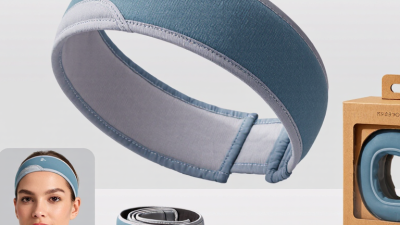
A Multifunctional Headband can serve runners, cyclists, hikers, gym members, and commuters with one compact accessory. Buyers can offer it as a sweatband, hair cover, or lightweight neck warmer, depending on the fabric and design. That versatility makes bulk purchasing attractive to sports retailers, event organizers, and private-label brands seeking useful, easy-to-display merchandise.
The market context is encouraging, but it needs careful interpretation. Grand View Research’s Sports Apparel Market Size, Share & Trends Analysis, 2024–2030, estimated the global sports apparel market at USD 203.3 billion in 2023 and projected 6.6% annual growth from 2024 to 2030. This broad category does not measure headbands alone. Still, it signals sustained consumer interest in performance-oriented clothing and accessories. Practical details matter. A well-chosen bulk order can reduce unit costs and simplify replenishment, while color options and branded packaging may help a product stand out on a crowded shelf. Yet large quantities also tie up cash and can leave buyers with unpopular sizes, prints, or materials. Volume is not automatically value. Before ordering, compare fabric breathability, stretch recovery, stitching, sample consistency, and the supplier’s minimum order quantity. Ask for current specifications rather than relying on a product image. That sounds obvious, but it is easy to miss. Bulk buying works best when demand is tested, quality is checked, and the selected styles fit a clearly defined customer.
What Are Multifunctional Headbands?
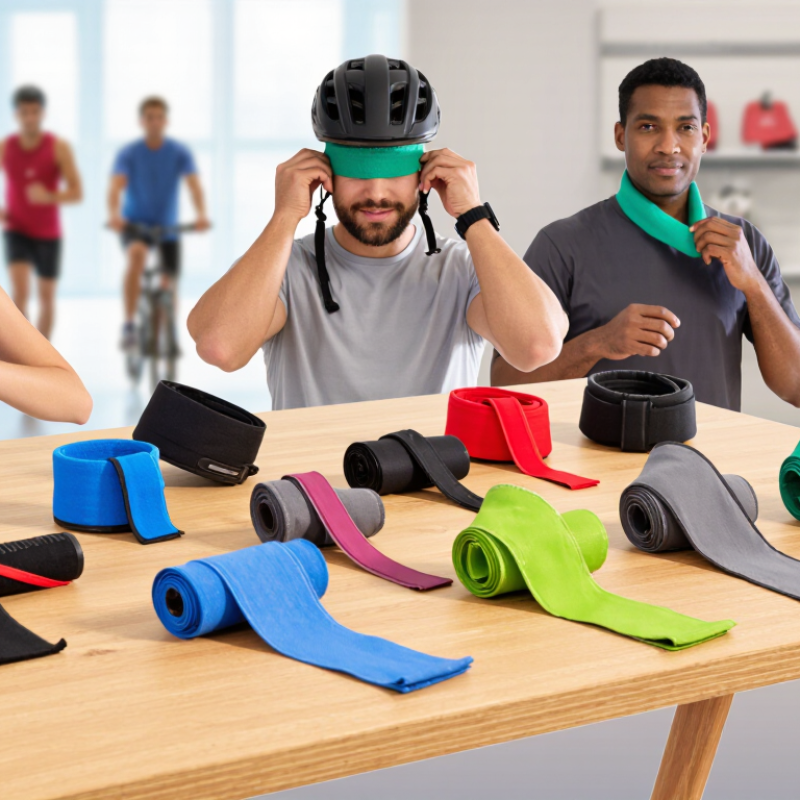
Multifunctional headbands are soft, stretchable accessories made for more than keeping hair out of the way. Depending on the fabric and cut, one can be worn as a wide headband, a narrow hair wrap, or a neck warmer. Some styles also provide light ear coverage or help absorb sweat. Materials vary, including cotton and synthetic blends, so feel and performance can differ. A scratchy seam may become noticeable during a long walk. Small details matter.
For bulk buyers, the intended use is a good starting point. Breathable, quick-drying fabric may suit workouts, while a thicker knit can feel more comfortable in cool weather. Check dimensions, stretch recovery, washing instructions, and color consistency. Request a sample before ordering in quantity. A headband that slips after washing may not be useful, even if it looks appealing in a product photo. “Multifunctional” does not mean one design works equally well for every activity. That distinction is easy to miss.
Tips: Test a sample during movement and after washing. Check the inside seams, too. If the fit feels too tight or loose, reconsider the size before placing a bulk order.
How Do Their Designs Support Different Activities?
Multifunctional headbands support different activities through small design choices. A wide, soft-knit band can cover more of the forehead during a brisk walk or yoga session. A narrower, lighter style may feel less noticeable under a helmet or while cycling. Some designs use moisture-wicking fabric to move sweat away from the skin. Others rely on a brushed inner surface for warmth on cool morning runs. Fit matters, too. A flexible seam can reduce pressure, while a silicone grip may help limit slipping during movement. Still, no single design works for every head shape.
For team orders, buying several styles or colors in bulk can make it easier to match headbands to different routines. A fitness group might choose breathable bands for indoor classes and warmer options for outdoor training. Check fabric stretch, width, and care instructions before ordering; these details affect comfort after repeated washing. Small samples help reveal issues that product descriptions can miss. A band may look supportive but feel tight after an hour. That is worth admitting: “multifunctional” does not mean universally comfortable. Practical selection starts with the activity, then tests the fit.
What Advantages Does Buying Headbands in Bulk Offer?
Buying multifunctional headbands in bulk can reduce the cost per piece and make stock easier to manage. This is useful for sports clubs, event teams, schools, and retailers that need reliable quantities. One style can serve several purposes: keeping hair back during exercise, absorbing light sweat, or adding warmth on a cool morning. That matters. Staff can issue the same basic item across different activities instead of ordering separate accessories for each use.
Bulk purchasing also helps keep colors and materials consistent across a group. Before ordering, check the fabric, stretch, seam finish, and care instructions. A soft band may feel comfortable in a sample, yet loosen after repeated washing. Ask for a sample when possible, and test it through a workout and a wash cycle. There is a catch. A lower unit price does not help if the chosen size or color sits unused in storage. Estimate actual demand, consider a modest range of colors, and confirm delivery timing before committing. Buying more at once can simplify replenishment, but it also ties up money and shelf space. A careful order is usually more useful than the biggest order.
Which Materials and Features Should Buyers Compare?
Buyers comparing multifunctional headbands should start with fiber content, stretch recovery, and intended use.
Textile Exchange’s Materials Market Report 2024 estimates global fiber production reached
124 million tonnes in 2023,
with polyester making up
57%.
That scale matters: polyester offers quick drying and color retention, while cotton often feels softer against skin but can stay damp during exercise. Nylon blends may provide a smooth hand and good abrasion resistance.
Ask suppliers for exact fiber percentages, not just “performance fabric.”
Small detail, big difference.
Features deserve hands-on checks.
Stretch a sample repeatedly, then inspect whether it returns to shape without rolling at the edges. Try the band over loose hair and a ponytail; a wide panel can cover more, but may feel warm under a helmet. Silicone grippers improve hold, yet can irritate sensitive skin. Request fabric weight, seam construction, colorfastness, and wash-test results, ideally from a named textile testing method such as AATCC TM195 for liquid moisture management. Compare results under the same conditions. A spec sheet is useful, but it cannot show every fit issue.
I would still test samples across several head sizes before committing to a bulk order.
How Can Buyers Choose Suppliers and Plan Bulk Orders?
Buying multifunctional headbands in bulk starts with a clear product brief. Specify fabric, width, stretch, stitching, colors, and intended use. Ask suppliers for a physical sample, not just product photos. Check how it feels after repeated stretching and washing. Small details matter.
Compare suppliers on more than unit price. Request written information about minimum order quantities, production times, packaging, and quality checks. Ask how defects are handled and whether the final batch will match the approved sample. A helpful supplier should answer specific questions clearly. Vague promises are a warning sign.
Plan quantities around realistic demand, storage space, and delivery dates. A large order may lower the per-unit cost, but slow-moving colors can tie up cash. Try a smaller test order when demand is uncertain. It may feel less efficient. Still, it can reveal sizing issues, color differences, or packaging problems before a larger commitment. Leave room in the schedule for sample approval and possible production delays; an optimistic timeline is not a dependable plan.
Why Buy Multifunctional Headbands in Bulk?
Illustrative cost-planning model: how spreading a fixed order setup cost across more units can lower the average cost per headband.
Example assumptions only—not supplier quotes or market averages: $4.00 variable cost per unit plus a fixed $120 setup cost per order. Compare actual quotes, minimum order quantities, samples, quality requirements, and lead times before placing a bulk order.