Leave Your Message

Why Choose a Multifunctional Headband for Global Buyers?

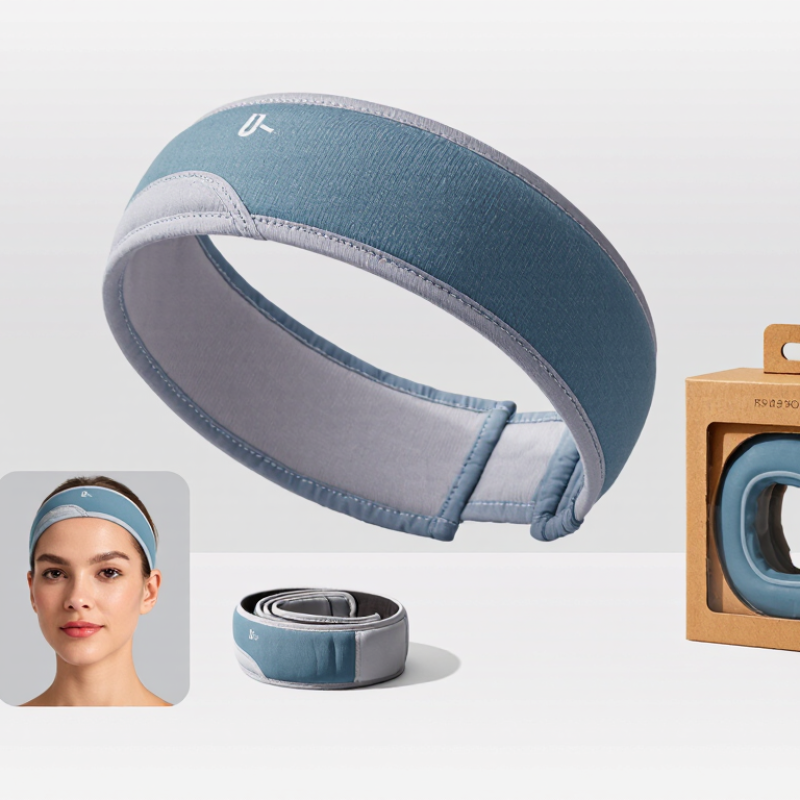
For global buyers, product choice often begins with a simple question: can one accessory serve several daily needs? A Multifunctional Headband may work as a hairband, neck warmer, face covering, wristband, or light sports accessory. Its value depends on more than appearance. Buyers should examine fabric composition, stretch recovery, stitching quality, colorfastness, and packaging details before placing an order.

A reliable supplier should provide clear specifications and consistent samples. Ask for fabric weight, size tolerance, washing instructions, and available customization options. For example, a headband used during cycling may need breathable polyester and secure elasticity. A winter version may require brushed fabric with better warmth. These details affect comfort, returns, and customer trust. Small differences matter.

Global sourcing also requires careful review. Buyers should confirm labeling rules, restricted substances policies, shipping documents, and destination-market requirements. Independent testing can support claims about fiber content, colorfastness, or chemical safety. Certifications may be useful, but they should be verified rather than accepted at face value. This is where experience becomes practical: compare samples after washing, stretching, and repeated handling.

Not every multifunctional design fits every market. Some styles look versatile but feel too tight. Others lose shape quickly. That weakness deserves attention. Buyers may also need to balance sustainable materials, production cost, minimum order quantities, and delivery schedules. A thoughtful evaluation helps avoid attractive but unreliable products. When quality, usability, and documentation align, a Multifunctional Headband can offer global customers a practical accessory with broader market potential.、】【

Why Choose a Multifunctional Headband for Global Buyers?

What Defines a Multifunctional Headband?

Why Choose a Multifunctional Headband for Global Buyers?

A multifunctional headband serves more than one clear purpose. It can work as a headband, neck gaiter, wrist cover, or light face covering. The design should transform quickly, without complicated folding. A buyer should check stretch recovery, seam strength, moisture control, and edge comfort. These details matter during running, commuting, travel, and outdoor work. Small features matter.

Material choice also defines performance. Textile Exchange’s 2024 Materials Market Report states that polyester represented about 57% of global fiber production in 2023. This explains its common use in quick-drying accessories. However, polyester alone does not guarantee comfort or durability. Fabric weight, knitting structure, recycled content, and dye quality require separate verification. A product sheet should provide fiber percentages and care instructions.

Global headwear demand continues to expand. Grand View Research estimated the global headwear market at approximately USD 26 billion in 2023. This wider category includes many products, so headband data should not be overstated. In product sampling, multifunctional designs sometimes promise too much. A tube that feels breathable in a showroom may feel warm after an hour outdoors. Buyers should test fit across different head sizes, wash the sample repeatedly, and inspect fabric recovery. Certifications can support trust, but testing conditions still need careful review.

Which Features Make It Useful Across Different Activities?

Why Choose a Multifunctional Headband for Global Buyers?

Which Features Make It Useful Across Different Activities?

A multifunctional headband should adapt to real movement, not just look attractive. The Outdoor Foundation’s 2024 report recorded 175.8 million American outdoor participants in 2023. They walked, ran, cycled, hiked, and trained in changing conditions. One adjustable design can support these routines with fewer accessories.

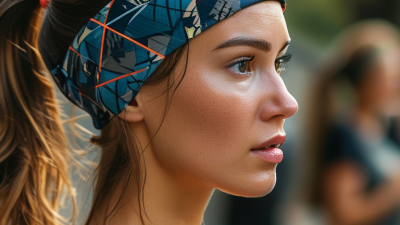
Material choice is critical. Moisture-wicking fabric helps move sweat away during running or gym sessions. A soft inner surface can improve comfort during long flights or daily commuting. Stretch matters too. The headband should cover ears in cool weather, then fold easily into a pocket. Flat seams can reduce pressure under helmets and headphones. Fit matters more. Over-tight designs may cause headaches, while loose ones can slip during movement.

The World Health Organization reported that 31% of adults worldwide did not meet recommended activity levels in 2022. Comfortable gear may remove small barriers to regular movement, although it cannot replace motivation or safe training. That is not universal. Some users prefer warmer fabrics, while others need rapid drying in humid climates. Buyers should also check washing instructions, colorfastness, and size ranges. These details reveal product reliability more clearly than promotional claims. A headband that performs during a windy walk, a sweaty workout, and a quiet commute offers practical value across markets.

How Does One Headband Serve Diverse Climate and Cultural Needs?

Why Choose a Multifunctional Headband for Global Buyers?

A multifunctional headband can adapt to hot, cold, dry, and humid environments. In warm regions, breathable fabric helps release heat during commuting or outdoor work. In colder climates, a wider design can cover the ears and protect the forehead. Moisture-wicking fibers are useful during exercise, but they should not feel tight after several hours. Small details matter.

Cultural preferences also influence daily comfort. Some users prefer full hair coverage, while others want an open, lightweight style. Adjustable sizing supports different head shapes without forcing one fixed fit. Neutral colors may suit conservative settings, but brighter options can reflect local fashion. From product testing experience, soft seams and washable materials often affect satisfaction more than decorative features. Still, no headband serves everyone perfectly. That limitation deserves honest attention.

Tips: Check fabric performance in the target climate before bulk purchasing. Test the headband with different hairstyles and head sizes. Review care instructions, because frequent washing can change stretch and shape. Offer several widths, colors, and wearing methods when possible. A design that works in dry weather may feel uncomfortable in tropical humidity. Feedback from local users should guide the final adjustment.

Why Choose a Multifunctional Headband for Global Buyers? - How Does One Headband Serve Diverse Climate and Cultural Needs?

Buyer Need Climate or Cultural Context Recommended Configuration Material and Performance Considerations Practical Use Buying or Compliance Check
Heat and high humidity Tropical and subtropical regions commonly require lightweight accessories that feel comfortable during perspiration. Wear as a narrow sweatband, open headband, or neck gaiter with breathable coverage. Polyester or polyamide knits generally dry faster than cotton. An open-knit structure can improve air circulation. Suitable for commuting, hiking, travel, and outdoor work in warm conditions. Check fabric weight, ventilation, seam comfort, and care instructions. Moisture management should be verified through product testing when claimed.
Strong sunlight Outdoor users in sunny climates may seek additional coverage for the forehead, ears, neck, or hair. Use as a wider head covering, neck gaiter, or face covering while leaving clear visibility and breathing space. Dense fabric construction provides more coverage than a loose, open knit. UV protection varies by fiber, color, stretch, and construction. Useful for cycling, gardening, beach travel, trekking, and other daytime activities. Only use a UPF value when the finished fabric or product has been tested and labeled according to a recognized UV-protection standard.
Cool and windy weather Temperate, high-altitude, and coastal environments may require protection from wind chill without the bulk of a hat or scarf. Wear as a full head covering, ear warmer, or neck warmer under a helmet or hood. Double-layer jersey, brushed fabric, or wool-blend construction can provide more warmth than a thin single layer. Merino wool can retain warmth when damp but requires suitable care. Appropriate for walking, running, travel, and light outdoor activity in cooler conditions. Review fabric thickness, stretch recovery, size range, and washing requirements before purchase.
Variable or transitional weather Spring, autumn, and travel across regions can involve changing temperatures during the same day. Choose a convertible tube that can function as a headband, cap, neck warmer, wristband, or face covering. A lightweight stretch knit offers packability and multiple wearing positions. Flat seams can reduce rubbing during repeated use. Reduces the need to carry separate accessories during travel and outdoor activities. Check whether the product retains its shape after washing and whether the fabric is opaque enough for the intended use.
Modesty and personal coverage Cultural preferences and religious practices differ by region, community, and individual. Coverage expectations should not be assumed to be universal. Use a longer, wider tube that can cover hair, ears, neck, or lower face according to the wearer’s preference. Opaque, non-sheer fabric and a secure but non-restrictive fit support flexible styling. Neutral colors may be preferred for broad retail use. Allows users to adapt coverage while maintaining personal comfort and styling choice. Provide accurate dimensions, fabric opacity information, and clear product images showing multiple wearing methods.
Protective hair and scalp coverage Users may want to keep hair contained during sports, commuting, work, or dusty outdoor activities. Wear as a full head cover, hair wrap, or wide band that keeps hair away from the face. Stretch fabrics can accommodate different hairstyles. Smooth inner surfaces may help reduce snagging compared with rough or highly abrasive textures. Supports hair management during exercise, travel, and everyday routines. Check elasticity, seam placement, fabric stretch, and whether the product is suitable for the intended hair type.
Sports and active movement Running, cycling, fitness, and team sports require stable accessories that do not obstruct movement or vision. Use as a snug sweatband, helmet liner, ear warmer, or neck gaiter. Moisture-managing synthetic fibers can dry quickly. A secure fit, low-profile seams, and four-way stretch can improve movement comfort. Helps manage sweat and hair while remaining compatible with helmets and other equipment. Confirm size tolerance, colorfastness, seam durability, and care performance after repeated washing.
Dust, pollen, and urban exposure Dry, dusty, agricultural, and high-traffic environments may motivate users to cover the nose, mouth, hair, or neck. Wear as a neck gaiter or lower-face covering when appropriate and comfortable. A close-fitting knit can provide a physical fabric barrier, but ordinary headbands are not certified respirators or medical masks. Useful for general comfort and light environmental coverage during travel or outdoor tasks. Do not describe the product as medical or respiratory protective equipment unless it meets the applicable local regulations and testing requirements.
Frequent washing and shared household use High-use accessories may need regular laundering, especially in warm climates or during exercise. Select a reversible or multi-position design that can be washed and reused frequently. Colorfast synthetic blends are commonly selected for quick drying. Cotton can feel soft but often takes longer to dry than polyester. Supports repeated use while reducing the need for multiple single-purpose accessories. Check washing temperature, tumble-drying guidance, shrinkage, colorfastness, and fiber composition labeling.
Global sizing and inclusive fit International buyers have different head sizes, hair volumes, wearing preferences, and layering needs. Offer a highly elastic tube or multiple size options with clearly stated measurements. Stretch recovery is important: excessive tension may cause discomfort, while insufficient recovery may lead to slipping. Improves fit flexibility across markets and supports more wearing styles. Publish flat dimensions, recommended head circumference, fabric stretch percentage, and tolerance ranges.

What Materials and Designs Support Global Market Requirements?

Why Choose a Multifunctional Headband for Global Buyers?

What Materials and Designs Support Global Market Requirements?

A multifunctional headband must perform across climates, activities, and consumer preferences. Textile Exchange reported global fiber production reached about 124 million metric tonnes in 2023. Polyester remained the dominant fiber group. This supports lightweight, quick-drying designs, but recycled content and traceability increasingly influence purchasing decisions. A practical blend may combine recycled polyester for moisture management, elastane for recovery, and soft nylon for durability. Materials should also resist pilling after repeated washing.

Design details matter just as much. A wide, seamless construction can reduce pressure during running, travel, or daily wear. Ventilated zones help in humid regions, while a brushed inner surface may improve comfort in colder markets. The Global Wellness Institute valued the wellness economy at 6.3 trillion dollars in 2023, showing strong demand for products supporting active lifestyles. Yet one fabric rarely suits every market. That assumption needs testing.

Manufacturers should check colorfastness, fiber composition, care instructions, and restricted-substance requirements before export. Testing against recognized textile standards improves reliability and buyer confidence. Packaging should remain compact, multilingual, and easy to recycle. I have found that adjustable designs reduce sizing problems, but they can add stitching points. More flexibility is not always better. Small prototypes, climate trials, and wash testing often reveal weaknesses that product drawings miss.

Why Choose a Multifunctional Headband for Global Buyers?

Material selection directly influences comfort, drying performance, stretch, and product versatility across different climates and use cases.

The chart compares typical fiber moisture regain values under standard atmospheric conditions. Cotton generally provides higher moisture absorption, while polyester offers faster drying. Nylon and elastane can improve durability and stretch when used in blended headband constructions.

Reference values are typical textile-fiber data; actual performance varies by yarn structure, fabric weight, finishing, and blend ratio.

How Should Global Buyers Evaluate Quality, Cost, and Supply Options?

Global buyers should evaluate a multifunctional headband as a tested textile product, not merely a low-cost accessory. According to Textile Exchange’s 2024 Materials Market Report, global fiber production reached about 124 million tonnes in 2023. Material selection therefore affects both performance and supply exposure. Recycled polyester may support moisture control, while elastane improves stretch recovery. Ask for fiber composition, fabric weight, dimensional stability, colorfastness, and seam-strength records. Small details matter.

Cost needs a wider lens. Compare the unit quotation with sampling, inspection, packaging, freight, duties, and possible rework. A low price can become expensive. The World Bank’s 2023 Logistics Performance Index covered 139 economies and assessed customs, infrastructure, shipment reliability, and timeliness. These factors can change the real landed cost. Request quotations under identical delivery terms, quantities, and packaging requirements. Otherwise, comparisons are misleading.

Supply evaluation should include capacity, lead time, minimum order quantity, and backup material sources. A supplier should explain how it handles peak-season orders and inconsistent fabric availability. Review batch records and test samples from more than one production run. One sample is not enough. Wash it repeatedly, stretch it, and wear it during exercise. No laboratory result fully predicts daily use. Buyers should also check whether product claims are supported by current test reports and traceable production records. Even careful assessments can miss problems, especially when communication is rushed. That uncertainty deserves a contingency plan.