2026 How to Choose the Best First Aid Kit for Your Needs?
When it comes to safety, a well-equipped First Aid Kit is essential. Whether you're at home, traveling, or engaging in outdoor activities, having the right supplies can make a difference. A First Aid Kit not only provides immediate care but also offers peace of mind.
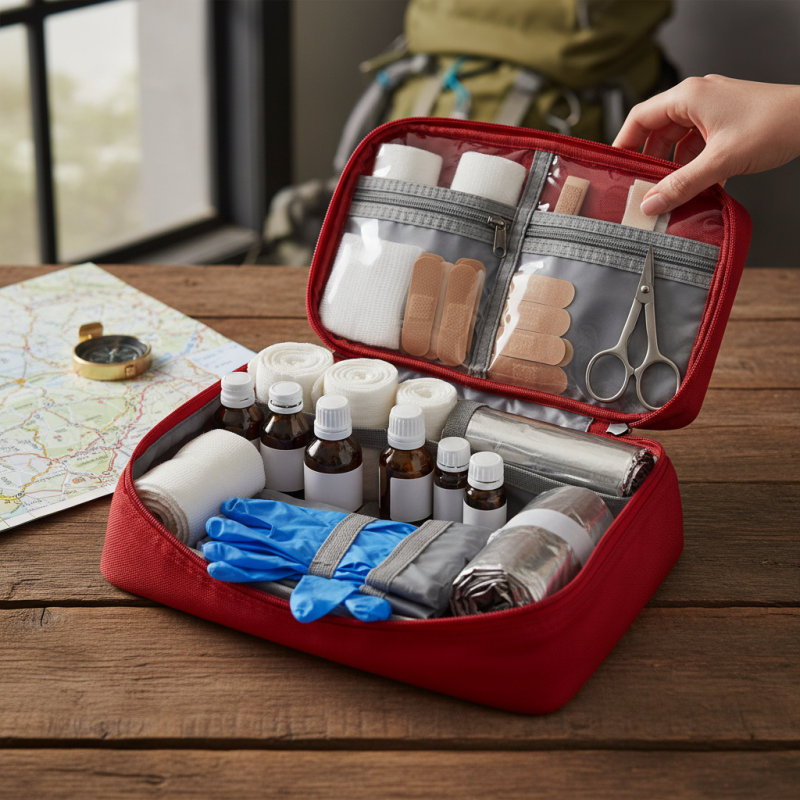
Choosing the best First Aid Kit for your needs can be overwhelming. Various options exist, each designed for specific situations. Personal preferences and specific environments must be taken into account. A comprehensive kit should include items like bandages, antiseptics, and pain relievers. Yet, the right balance of contents is crucial.
Reflecting on your past experiences can guide your choice. Think about emergency situations you've encountered. Did your kit have what you needed? Consider areas where it fell short. This reflection can help you select a kit that meets your unique needs. A reliable First Aid Kit can empower you to respond effectively in emergencies.
Understanding Your Specific Needs for a First Aid Kit
Choosing the right first aid kit starts with understanding your specific needs. Consider your lifestyle and daily activities. Are you a parent, an outdoor enthusiast, or someone who travels frequently? Each situation requires different supplies. For families, a kit should include items for children’s injuries. For hikers, pack items for cuts, scrapes, and blisters. Tailoring your kit to your activities ensures you have what you might need.
Next, evaluate the environments you frequent. Do you spend time at home, work, or in remote areas? Kits for home use may focus on common household injuries. In contrast, a kit for outdoor adventures should include antiseptics and allergy medications. Don’t forget to think about storage. A bulky kit might be inconvenient for travel. Consider smaller, portable kits for on-the-go needs.
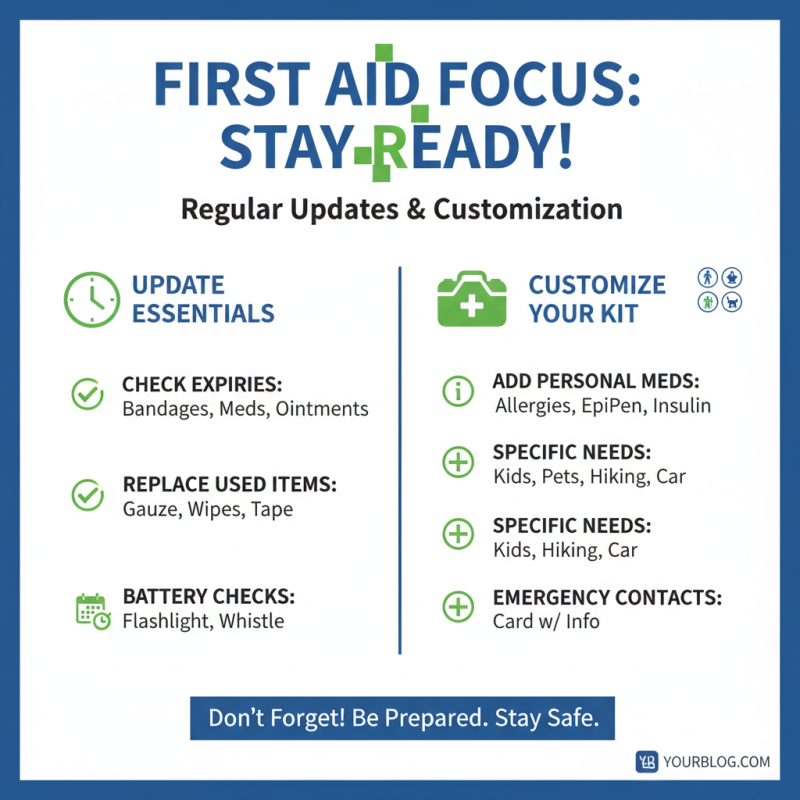
Remember, it’s okay if your kit isn’t perfect. You may need to reassess your needs over time. Regularly check and restock items that expire or run low. Having a first aid kit is a proactive step towards safety, but it’s important to adapt it to your evolving needs. This way, you’ll always be prepared for unexpected situations.
Essential Items to Include in a Comprehensive First Aid Kit
When choosing a first aid kit, focus on essential items. Statistics show that 70% of home accidents could be addressed with proper first aid supplies. Providing these basic items can make a significant difference in emergencies.
A comprehensive first aid kit should include adhesive bandages, gauze pads, and antiseptic wipes. These items are fundamental for treating minor wounds. In fact, over 30 million people visit emergency rooms annually for injuries that could be managed at home. A well-stocked kit not only helps in these cases but also boosts confidence in handling emergencies.
Consider adding a digital thermometer, scissors, and tweezers for enhanced functionality. While many forget to restock their kits, keeping supplies updated is crucial. Around 50% of first aid kits lack essential items due to neglect. Regular checks ensure your kit remains reliable when needed.
Evaluating the Size and Portability of First Aid Kits
When evaluating the size and portability of a first aid kit, it’s crucial to consider your specific needs. A large kit may offer an extensive range of supplies, but it can be cumbersome to carry. Conversely, a compact kit is easy to transport but might lack essential items. Verify the context where you’ll use it. Outdoor adventures require lightweight packs, while home kits can be bulkier.
Portability matters. Look for kits with handles or straps for easier carrying. A well-organized kit simplifies access during emergencies. Reflect on the duration of potential outings as well. If you plan short trips, a smaller kit suffices. For longer excursions, stock a larger kit but ensure it’s manageable. Remember, accessibility should not be compromised for size.
Lastly, think about the environment. A portable kit must withstand outdoor conditions, yet fit comfortably in your vehicle. Weigh practicality against your preparedness needs. Make adjustments as necessary; a kit should be adaptable. Regularly review its contents and ensure it meets your changing demands. Balancing size and usability is vital.
Comparing Specialized Kits for Outdoor, Home, and Workplace Use
When choosing a first aid kit, understanding your specific needs is crucial. Outdoor kits often include items for treating bites, stings, and minor injuries while hiking or camping. These kits typically feature water-resistant materials and lightweight contents for easy transport. Including a whistle and a survival blanket can enhance safety in remote areas.
Home kits are designed with family care in mind. They might contain larger bandages and essential medications like antiseptic wipes or gauze. Having options for children’s needs is important. Some kits may need to be stocked with allergy treatments or specific medications, depending on your household.
For workplace settings, compliance with safety regulations is key. Kits should address potential workplace injuries and include items suitable for first responders. Regularly checking the kit for expired items ensures it remains reliable in emergencies. Adapt the contents to fit the type of work being done, such as including eye wash for industrial settings. Assessing the demands of your environment ensures better preparedness.