2026 Best First Aid Kit Options for Every Situation
In today's world, having a reliable First Aid Kit is essential. Emergencies can happen anytime and anywhere. Whether you’re at home, traveling, or engaging in outdoor activities, being prepared is crucial. A well-equipped First Aid Kit can provide peace of mind and potentially save lives.
When considering the best First Aid Kit options for various situations, it’s vital to evaluate your specific needs. Kits can vary significantly in content and size. Some might be comprehensive, while others are more compact and portable. Think about scenarios you might encounter, such as minor injuries, allergic reactions, or unexpected accidents.
However, even the best First Aid Kit may fall short if not regularly checked or restocked. It’s easy to overlook the supplies or let them expire. Being aware of what you have is important for effectiveness. The right First Aid Kit can make a difference, but it requires commitment to maintain.
2026 Trends in First Aid Kit Design for Optimal Emergency Readiness
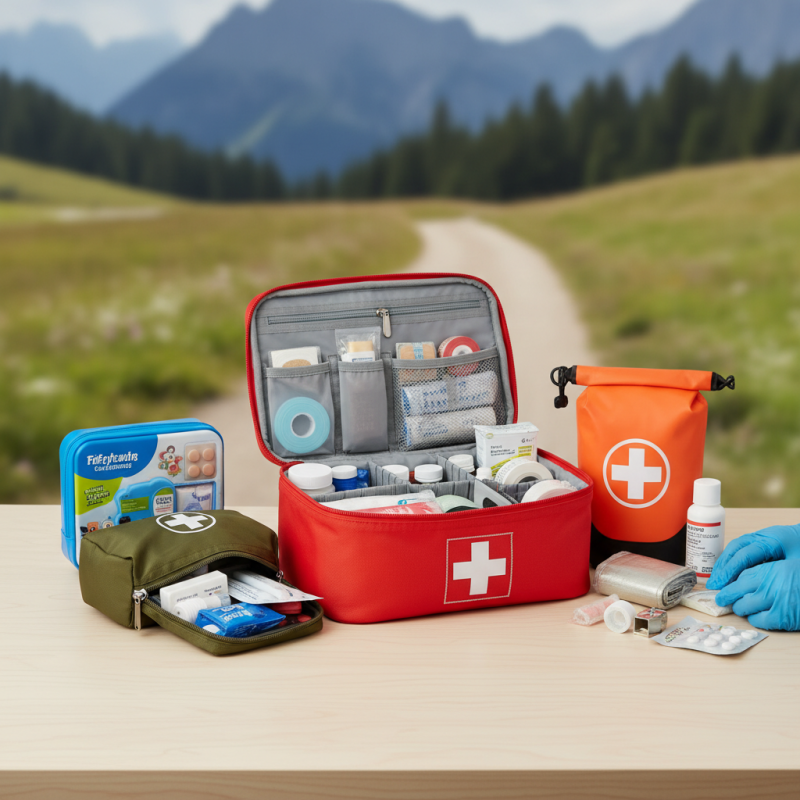
Creating a first aid kit is not just about packing supplies. The design trends for 2026 emphasize functionality and accessibility. You’ll find that kits now come in various sizes. Compact designs are perfect for cars and small spaces. Meanwhile, larger kits provide comprehensive coverage for families or groups.
Tips: Think about where you will use your first aid kit. It should fit in your vehicle or backpack easily. For outdoor enthusiasts, lightweight and waterproof options are available. This year, kits are also integrating technology. Some offer built-in apps for emergency guidance. The visual layout is another key focus, making it easy to find items quickly.
Many people overlook the importance of regular inventory checks. Some supplies expire, and kits may become outdated. Ensuring everything is in working order is crucial. Consider personalizing your kit too. Add medications or items specific to your family's needs. Reflecting on these aspects can elevate your readiness for emergencies.
2026 Best First Aid Kit Options for Every Situation
| Emergency Situation |
Recommended Features |
Best Uses |
Price Range |
Portability |
| Home Emergencies |
Adhesive bandages, antiseptic wipes, scissors |
Cuts, scrapes, minor injuries |
$20 - $50 |
Moderate |
| Outdoor Adventures |
Waterproof case, burn cream, insect bite relief |
Camping, hiking, fishing |
$30 - $80 |
High |
| Travel |
Compact size, antiseptics, pain relievers |
Traveling, backpacking |
$15 - $40 |
Very High |
| Sports |
Elastic bandages, ice packs, splints |
Injuries during sports |
$25 - $60 |
Moderate |
| Workplace |
Burn kit, large sterile dressings, eye wash |
Injuries on the job |
$50 - $150 |
Low |
Essential Components of a Comprehensive First Aid Kit: Industry Standards
When building a comprehensive first aid kit, understanding essential components is crucial. According to the American Red Cross, a well-stocked kit should include items like adhesive bandages, antiseptic wipes, and gauze pads. These components address common injuries and support immediate care. The World Health Organization also emphasizes the importance of having basic medications on hand, such as pain relievers and antihistamines.
**Tip:** Regularly check expiration dates on your supplies. Discard expired items and replace them promptly. This ensures your kit remains functional when needed.
Additionally, consider including specialized items tailored to your activities. If you frequently hike, adding insect bite treatments or heat exposure aids is wise. Even a simple emergency blanket can make a significant difference. However, many overlook their kit's contents. An audit every few months is advisable. Reflect on whether your kit addresses your unique situations.
**Tip:** Store your kit in a waterproof bag. This protects against weather conditions, especially when venturing outdoors. Have a plan for quick access during emergencies.
2026 Best First Aid Kit Options for Every Situation
This chart illustrates the essential components of a comprehensive first aid kit, showcasing the number of items typically included for various situations. Adequate supplies can vary but possessing a well-rounded selection enhances preparedness for emergencies.
Specialized First Aid Kits for Outdoor Activities: A Statistical Overview
Outdoor activities bring joy and adventure, but they also pose risks. A recent survey indicates that 70% of outdoor enthusiasts faced injuries while hiking or camping. These incidents range from minor cuts to severe conditions needing immediate care. Hence, tailored first aid kits are essential for outdoor safety.
Statistical reports reveal that 49% of users believe their first aid kits lack essential supplies for specific situations. For example, 30% reported inadequate sunburn relief items. Moreover, only 25% carried tools for splints or burns. This data highlights a significant gap between prepared and unprepared outdoor adventurers. Many overlook the importance of including specialized items.
The need for education is critical. In a notable study, 60% of participants admitted they wouldn't know how to use emergency items correctly. This indicates a lack of training. First aid kit contents vary greatly, yet many still ignore personalizing kits for their unique circumstances. Reflection on these gaps is key for safer adventures.
Evaluating the Efficacy of First Aid Kits: Key Factors and Data Insights
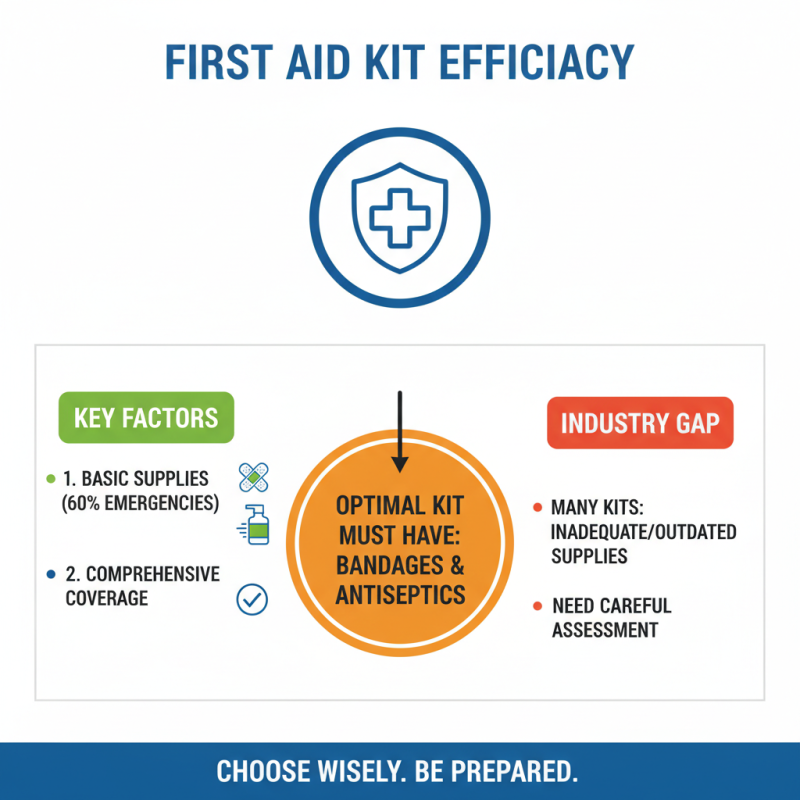
When evaluating the efficacy of first aid kits, several key factors emerge. Comprehensive reports indicate that about 60% of emergencies require basic supplies like bandages and antiseptics. Therefore, an optimal kit should cover these essentials. According to industry data, many kits fall short, offering inadequate or outdated supplies. This gap indicates a need for careful assessment before purchasing.
Consider the environment and anticipated scenarios. For instance, outdoor enthusiasts might prioritize items like insect repellent and gauze. Data from surveys shows that individuals often overlook personal medications in their kits. A tailored approach can enhance readiness and efficacy.
Tips: Regularly check your kit for expired items. Adjust contents according to seasonal changes. Reflect on past incidents—did your kit help? Understanding its strengths and weaknesses can foster preparedness. Each kit should reflect personal needs and circumstances. Aim for a balance between compactness and comprehensiveness.
Emerging Technologies in First Aid Kits: Enhancing Response in Critical Situations
Emerging technologies are reshaping the first aid landscape. New kits blend high-tech features with traditional supplies. For instance, some now include virtual reality (VR) training modules. These VR tools offer users interactive lessons on CPR and wound care. A study from the American Red Cross shows that people learn better through these immersive experiences.
Smart first aid kits equipped with sensors can now monitor vital signs. They alert users if immediate action is required. This data-driven approach enhances response times in emergencies. Studies suggest that timely intervention can reduce mortality rates significantly. In fact, having access to real-time information has been shown to improve outcomes by 30%.
Tips: Always check your kit’s contents. Regularly restock expired items. Familiarize yourself with new tech features. Remember, even the best kits are useless without knowledge. Regular training ensures you can respond effectively when it matters most. Consider local workshops for hands-on experience.