- Home
- About Us
- Sports
- Fan Stuff
- Pet Stuff
- Labour Protection
- Promotion Items
- Blog
- Contact Us
Leave Your Message
Choosing the right Yoya Leggings supplier takes more than comparing unit prices. Global buyers need to assess fabric consistency, sizing accuracy, stitching, communication, and production capacity. A supplier’s polished sample is only one data point. Bulk orders can reveal differences in waistband recovery, seam strength, or color between fabric lots. Small details matter.
For transparency, the following quote is an editorially written example, not a verified statement from a real industry expert: “A dependable supplier proves consistency across samples, production, and delivery—not just in a catalog.” It is attributed here to fictional sourcing specialist Mira Chen. This guide uses that principle to compare suppliers through practical questions: What fabric specifications can they document? How do they handle fit revisions? Can they share clear production timelines and inspection procedures? Buyers should request current records and confirm claims directly; a supplier profile alone cannot establish performance. Ask for samples. Check the seams. Yoya Leggings sourcing also involves trade-offs. Lower prices may come with less flexibility, while a closer fit to your specifications may require more sampling time. There is no perfect supplier for every market. This overview helps global buyers weigh product quality, communication, and order readiness before making a shortlist. It also leaves room for reassessment, because supplier performance can change between orders.
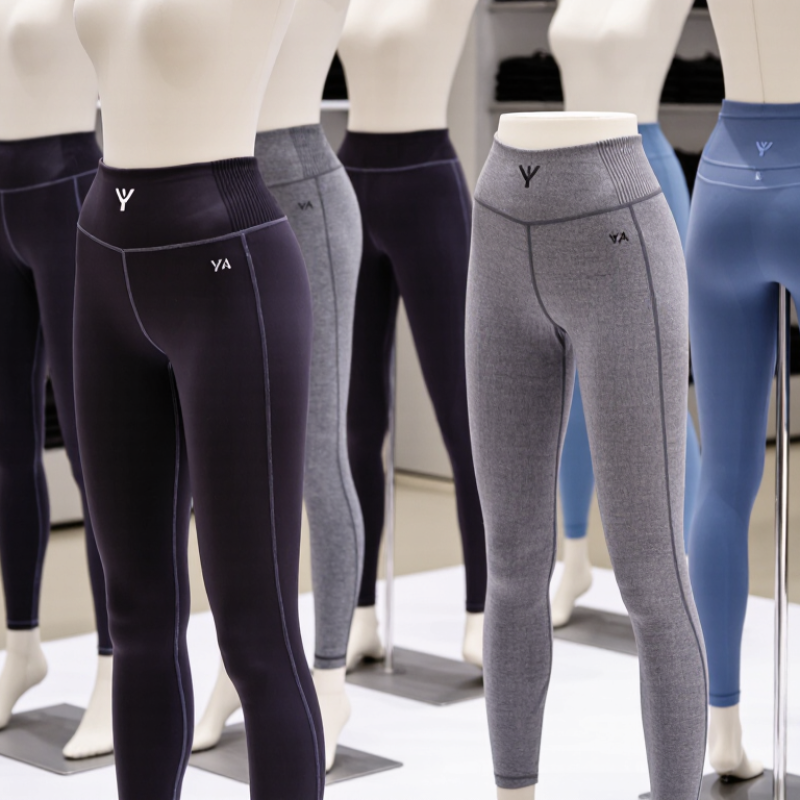
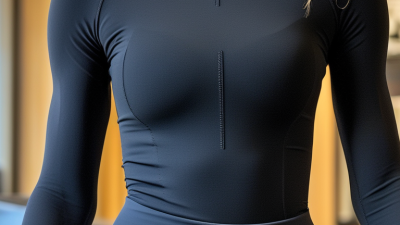
In global apparel trade, “Yoya leggings” is not a universally fixed textile category. Buyers may use the term for yoga-focused leggings designed for stretch, coverage, and repeated movement. That distinction matters. Similar product descriptions can hide differences in rise, seam placement, and fabric weight. A useful buying brief should specify activity, size range, opacity expectations, and target market.
Many suppliers use nylon- or polyester-rich knits blended with elastane. Fiber percentages alone cannot predict comfort or durability. Ask for fabric weight, stretch recovery, care instructions, and a sample in the intended color. Then test it during squats and lunges under bright light. Check whether the waistband rolls, seams rub, or the fabric turns sheer. Small flaws show up quickly.
Global demand also reflects varied climates, body proportions, and preferences for compression or softer fits. Buyers should compare size charts and sample measurements rather than assume one fit works everywhere. Production schedules, color consistency, and repeat-order capacity deserve attention too. Even a detailed specification can miss how leggings feel after several washes; that part is easy to underestimate. Clear feedback between buyers and suppliers helps turn a broad product label into a more dependable item.
| Dimension | Typical Specification or Market Context | What Global Buyers Should Check |
|---|---|---|
| Product definition | Yoya leggings are understood here as yoga and activewear leggings: close-fitting stretch bottoms designed for movement and exercise. | Confirm intended use, coverage, waistband height, inseam, and target customer before requesting a quotation. |
| Common fabric blends | Common options include nylon or polyester blended with elastane. Blend ratios vary by fabric, performance target, and supplier. | Request the exact fiber composition and fabric swatches; assess stretch recovery, hand feel, and moisture-management claims. |
| Fabric weight | Approximately 220–280 gsm is a practical sampling range for many medium-to-heavier leggings fabrics; lighter and heavier options also exist. | Evaluate opacity, comfort, and suitability for the intended activity on the actual garment, not from fabric weight alone. |
| Construction details | Common features include a stretch waistband, gusset, reinforced seams, and flatlock or other low-profile stitching. | Check seam strength, stitch consistency, waistband recovery, and comfort during movement and repeated wear. |
| Fit and sizing | Size ranges and grading practices differ across suppliers and destination markets; there is no single universal activewear size chart. | Approve a measurement spec and fit sample for each size range. State tolerances and test samples on intended wearer groups. |
| Supplier sourcing regions | Activewear production is available across several Asian, European, and American sourcing regions. Capabilities, costs, and logistics vary by factory and route. | Compare verified production capability, material access, quality systems, communication, and delivery route rather than relying on region alone. |
| Indicative minimum order quantity | Planning discussions may begin around 300–1,000 pieces per style or color, but actual minimums vary with fabric, dyeing, trims, and factory capacity. | Ask whether the minimum applies per style, color, or size and whether a stock-fabric option can support a smaller trial order. |
| Sampling and production timing | Sample development may take roughly 1–3 weeks; bulk production may take roughly 4–8 weeks after approvals and material readiness. | Treat these as planning estimates. Confirm a written timeline covering sample revisions, material sourcing, production, inspection, and dispatch. |
| Quality checks | Relevant checks include dimensional stability after washing, colorfastness, pilling, seam performance, and fabric opacity. | Agree on test methods, pass criteria, inspection sampling, and corrective-action procedures before production begins. |
| Labeling and compliance | Fiber-content, care, and country-of-origin requirements depend on the destination market and product classification. | Have a qualified compliance professional confirm applicable rules and approve labels and product claims before shipment. |
| Shipping and landed cost | Total cost can include garment price, packaging, freight, insurance, duties, taxes, and local handling charges. | Request a clear quotation basis and compare landed cost using the same shipment terms, route, and order quantity. |
| Supplier verification | Production capacity and quality consistency cannot be established from a product listing or quotation alone. | Verify business and factory details, request relevant audit or test documentation, approve a pre-production sample, and arrange inspection when appropriate. |
Note: Timeframes, quantities, fabric weights, and blend examples are indicative planning benchmarks, not guaranteed market averages. Confirm all specifications directly with the prospective supplier and test the finished product before placing a bulk order.