Leave Your Message

What Is Yoga Wear A Guide for Global Buyers?

Yoga Wears has moved beyond studio basics. Global buyers now seek clothing that supports movement, comfort, branding, and responsible sourcing. A successful product must perform during sun salutations, travel, washing, and repeated commercial use.

This guide explains what professional buyers should examine before placing an order. Fabric composition matters. Nylon and elastane may offer stretch and recovery, while recycled fibers can support sustainability goals when properly documented. A waistband should remain secure without digging into the skin. Seams need careful stitching, especially around the gusset and shoulder areas. Breathability, opacity, colorfastness, and moisture management also deserve practical testing.

Fit cannot be judged from a catalog photograph. A sample may look excellent but feel restrictive during a deep squat. Request size sets, wash samples, measurement charts, and production references. Check whether the supplier can provide material certificates, factory details, labeling information, and quality inspection records. Requirements differ across markets, so buyers should verify current textile, consumer safety, packaging, and environmental obligations with qualified local professionals.

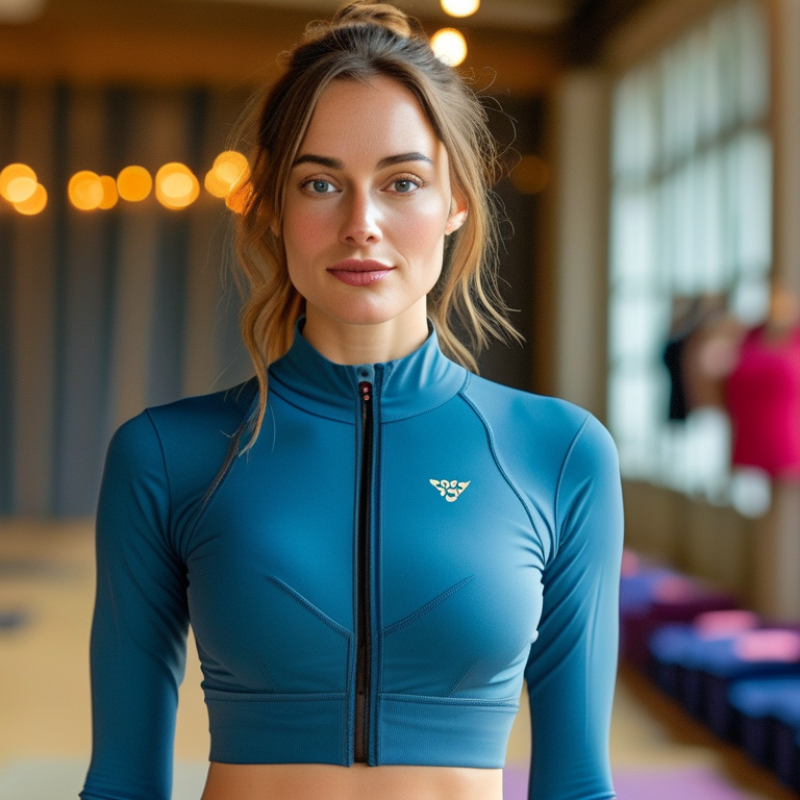
Small details often decide repeat orders. A soft neck label, flat seam, reliable zipper, or properly shaped pocket can improve daily use. Yet no supplier or fabric is perfect. Early samples may reveal pilling, color variation, or inconsistent sizing. That is not failure; it is useful evidence. Strong sourcing decisions come from testing, transparent communication, and documented improvements. For global buyers, Yoga Wears should be evaluated as a complete product system, not merely attractive activewear.
What Is Yoga Wear A Guide for Global Buyers?

What Is Yoga Wear and Why Does It Matter?

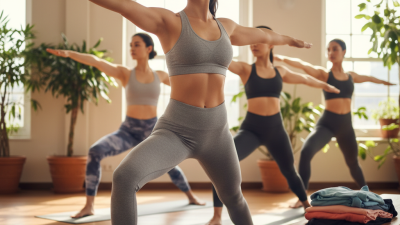
Yoga wear is clothing designed to support movement, comfort, and focus during yoga practice. It usually combines stretch, breathability, coverage, and a stable fit. A good pair of leggings should follow a deep squat without pulling at the waist. A fitted top should stay in place during downward-facing dog.

Small details matter. Flat seams can reduce rubbing, while a soft waistband may prevent pressure around the abdomen. These features do not make a garment suitable for everyone. Body shape, climate, practice style, and personal modesty can change the decision. Yoga wear matters because clothing affects movement quality and physical comfort throughout a session. Loose fabric may catch under the knees, while thin fabric can become transparent when stretched. Poor moisture management can leave skin damp after a heated class. That discomfort can distract breathing and shorten practice.

For global buyers, material testing deserves careful attention. Check fiber content, stretch recovery, colorfastness, seam strength, and washing instructions. A fabric labeled breathable still needs testing in humid and dry conditions. Sizing also requires more than one standard chart. Measurements should include waist, hip, inseam, and torso length. Ask suppliers for test reports and sample garments before placing large orders. Inspect opacity under bright light and repeated stretching. Wash samples several times. I have found that first impressions can be misleading. A smooth fabric may pill quickly, and a firm waistband may feel restrictive later. No specification replaces wear testing.
Key Features and Functional Requirements of Yoga Wear

What Is Yoga Wear? A Guide for Global Buyers

Yoga wear must support movement without distracting the wearer. A 2024 report from Grand View Research identifies rising demand for comfortable, multifunctional sports apparel. This trend affects yoga buyers directly. Leggings should provide four-way stretch, stable recovery, and coverage during deep squats. A practical fabric range is often 180–250 GSM, depending on climate and garment design. Lightweight fabric feels cooler, but may reveal seams or underwear.

Moisture management is another functional requirement. Buyers should request laboratory tests for wicking, drying time, pilling, colorfastness, and fabric opacity. Flatlock seams can reduce rubbing around the inner thigh. A wide waistband should remain secure without pressing the abdomen.

Small details matter. A pocket must hold a phone without pulling the garment down. However, higher elastane content does not automatically mean better performance. Poor recovery can appear after repeated washing.

Material responsibility also requires evidence. Textile Exchange’s Materials Market Report 2024 states that polyester represented about 57% of global fiber production in 2023. Recycled content may reduce reliance on virgin inputs, but buyers should verify certificates and supply-chain claims.

Fit testing across different body shapes remains essential. One sample size cannot prove global suitability. Humid studios, outdoor classes, and cold-weather travel create different demands. A specification sheet should include fiber composition, GSM, stretch percentage, wash instructions, and test standards. Even then, real-world wear can expose weaknesses that laboratory reports miss.

Main Types of Yoga Wear for Different Practices

Yoga wear should match the practice, not only the studio mirror. In my product evaluations, soft leggings with four-way stretch perform well for hatha and restorative yoga. They allow slow bends without tight waist pressure. For vinyasa, choose moisture-wicking tops and secure leggings. Fast transitions can expose loose hems. Hot yoga needs breathable, quick-drying fabric with minimal layers. However, very thin fabric may show wear sooner. That trade-off deserves attention.

Power yoga usually requires strong waistbands and squat-proof material. Seam placement also matters during repeated lunges. For meditation or gentle stretching, relaxed pants and lightweight layers can feel less restrictive. Cotton feels natural, but it may hold sweat. Synthetic blends dry faster and often keep their shape. Buyers should check fabric composition, stretch recovery, stitching, and size measurements. A perfect size chart does not exist. Body proportions vary more than sellers admit.

Tips: Test garments with squats, twists, and raised arms before ordering in bulk. Check whether the waistband rolls after movement. For international buyers, compare measurements in centimeters, confirm care instructions, and review return conditions. Consider local climate, washing habits, and modesty preferences. I once underestimated humidity when selecting heavier fabric, and the range felt uncomfortable during use. That mistake changed my testing process. Now, I assess ventilation and drying time before appearance.

How to Choose Yoga Wear by Fabric, Fit, and Climate

Yoga wear selection starts with fabric, not color or trend. In humid climates, lightweight nylon blends and polyester can move sweat away from skin. Look for tightly knitted fabric with reliable stretch and recovery. Cotton feels soft, but it may stay wet during a heated session. That damp waistband can cause rubbing. For cooler studios, a cotton blend or brushed layer may feel more comfortable. Natural fibers are not automatically better. The real test is how fabric behaves after washing, stretching, and repeated wear.

Fit should support movement without restricting breathing. Leggings should sit flat at the waist during forward folds. Check whether seams press behind the knees or under the arms. A practical fitting test is simple: squat, raise both arms, and twist slowly. If fabric turns transparent, slides, or pinches, the garment needs adjustment. Compression can feel secure, but excessive tightness may distract from body alignment. Loose clothing has risks too. It can catch on equipment or hide posture details during instruction.

Climate changes the right choice. In tropical heat, choose quick-drying panels and lighter colors that absorb less warmth. In dry, cold conditions, layer a close-fitting base with a breathable cover. Avoid heavy materials that trap sweat beneath the chest or waistband. Buyers should check care labels and test shrinkage before ordering in bulk. Sizing charts can be inconsistent across suppliers, so measure actual garments carefully. I once preferred the softest fabric, but it lost shape quickly. That was a useful mistake. Comfort matters, yet durability and movement deserve equal attention.

Global Buying Factors: Sizing, Standards, and Supplier Evaluation

What Is Yoga Wear? A Guide for Global Buyers

Sizing is often the first buying risk. Body proportions vary widely across markets, even when customers share the same nominal size. Use supplier measurement charts based on ISO 8559-2 methods, then compare bust, waist, hip, inseam, and rise measurements. Do not rely on S, M, or L alone. A practical sample review should include movement tests, not only flat measurements. Check squat coverage, waistband recovery, and seam comfort after washing. Small errors become expensive returns.

Standards also reveal supplier discipline. Request test reports for colorfastness, shrinkage, fiber composition, and restricted substances. ISO 9001 can support quality control, while ISO 14001 indicates an environmental management system. These certificates are useful, but they are not proof of every factory process. Audit dates, testing laboratories, and production records still require verification. I have found that a polished certificate file can hide weak size consistency.

Material choices deserve equal attention. Textile Exchange’s 2024 Materials Market Report states that polyester represented about 59% of global fiber production in 2023. Recycled polyester accounted for roughly 12% of polyester output. Buyers should ask for chain-of-custody evidence and fiber percentages. Claims need checking. A lower price may reflect thinner fabric, unstable dyeing, or limited inspection. The better question is not “Can this supplier produce yoga wear?” It is “Can this supplier repeat the same fit and performance across every shipment?”