Leave Your Message

10 Best Yoga Wear Suppliers for Global Buyers

Choosing among the 10 Best Yoga Wear Suppliers for Global Buyers requires more than comparing prices. A supplier may offer attractive leggings, yet fail during stretch testing, size grading, or international delivery. This guide examines fabric recovery, sweat management, stitching quality, minimum order quantities, sampling, production capacity, and communication. It also considers whether suppliers can provide reliable material documentation, factory information, and consistent quality across repeated orders. Small details matter. A waistband that rolls after ten minutes can damage a retailer’s reputation.

Yoga Wears product consultant Priya Nair says, “The best yoga apparel feels invisible, but its quality should never be overlooked.” That principle shapes this comparison. We look beyond polished catalogs and examine practical buyer experience, including sample approval, color consistency, packaging, lead times, and after-sales support. Responsible sourcing also matters. Suppliers should respect applicable labor, environmental, labeling, and consumer-protection requirements in their target markets. However, no supplier is perfect, and published claims deserve careful verification. A recycled-fabric certificate may not explain the full supply chain. A low unit price may hide higher inspection or shipping costs. This list offers a useful starting point, not a final verdict. Global buyers should still test products, review contracts, and confirm current supplier capabilities before placing large orders.
10 Best Yoga Wear Suppliers for Global Buyers

What Defines a Reliable Yoga Wear Supplier for Global Buyers

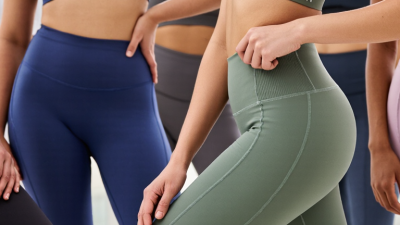
A reliable yoga wear supplier begins with consistent product quality, not attractive catalog photos. Global buyers should request fabric specifications, test reports, and production samples before placing large orders. Check stretch recovery, colorfastness, opacity, stitching strength, and resistance to repeated washing. A useful sample should survive real movement, not only look smooth on a table.

Practical experience also shows that communication reveals operational discipline. A dependable supplier answers technical questions clearly and confirms measurements in writing. They explain minimum order quantities, sampling fees, lead times, packaging details, and payment conditions without hiding changes. Factory audits, material traceability, and relevant quality certifications add confidence, but documents should be verified. Paperwork alone proves little.

Small failures still happen. A sample may fit well but feel too warm during long practice. One shipment may arrive later than planned because production capacity was misunderstood. Reliable suppliers respond with evidence, corrective action, and updated timelines. Buyers should record these issues instead of ignoring them. Ask for pre-shipment inspections and keep approval samples for comparison. Look closely. Good partnerships grow through honest feedback, stable workmanship, and the supplier’s willingness to improve when the first answer is not good enough.

What Defines a Reliable Yoga Wear Supplier for Global Buyers?

Recommended evaluation weights for comparing yoga wear suppliers across quality, compliance, delivery, and commercial performance.

Quality consistency and ethical compliance receive the highest weighting because global buyers must manage product safety, material standards, and supply-chain risk. Delivery reliability, communication, sampling accuracy, and order flexibility help determine whether a supplier can support repeat international orders.

Key Criteria for Comparing the Top Ten Yoga Wear Suppliers

Comparing the 10 Best Yoga Wear Suppliers for Global Buyers requires more than checking catalog photos. Start with fabric performance. Test stretch recovery, opacity, moisture control, and colorfastness after repeated washing. A smooth sample may still pill after several workouts. That happened in one of my early evaluations.

Supplier experience also matters. Review production records, quality procedures, and experience with international shipping. Ask for fabric composition, GSM, size charts, and seam-strength results. Reliable suppliers should explain their testing methods clearly. Vague answers deserve caution. Certifications can support trust, but buyers should verify their scope and validity.

Tips: Request samples in several sizes and colors. Wear them during movement, not just fitting. Check waistband pressure, stitching, and transparency under bright light. Compare the approved sample with bulk production terms. Confirm minimum order quantities, sampling fees, lead times, packaging details, and inspection procedures in writing. Communication speed is useful, but detailed communication is better. Some suppliers promise flexible customization, yet their real capacity may be limited during peak seasons. I have also learned that the cheapest quotation can hide weaker recovery fabric or inconsistent sizing. Leave room for an independent inspection, even when the supplier appears professional. Reliability is proven through repeated performance, not attractive promises.

10 Best Yoga Wear Suppliers for Global Buyers - Key Criteria for Comparing the Top Ten Yoga Wear Suppliers

No. Comparison Dimension Practical Benchmark for Yoga Wear Suppliers Evidence Buyers Should Request Suggested Weight
1 Fabric Performance Four-way stretch, shape recovery, moisture management, opacity during movement, and resistance to pilling. Fabric specifications, technical data sheets, stretch-and-recovery results, and physical fabric samples. 15%
2 Material Composition Common performance fabrics include polyester, recycled polyester, nylon, elastane, and blends selected for durability and comfort. Fiber-content declarations, recycled-content certificates where applicable, and laboratory composition tests. 10%
3 Product Safety and Chemical Compliance Products should comply with the chemical and labeling requirements of the destination market, including restrictions on harmful substances. Recent test reports from an independent laboratory and documented compliance procedures for the target market. 15%
4 Manufacturing Quality Control A documented inspection process should cover fabric inspection, cutting, sewing, measurement, finishing, and final packing. Quality-control checklist, inspection records, defect classification rules, and corrective-action reports. 15%
5 Minimum Order Quantity Minimum quantities vary by fabric, color, style, and customization level; lower quantities are generally more suitable for pilot launches. A written MOQ schedule by style, color, size range, and private-label option. 8%
6 Sampling and Product Development A capable supplier should support tech-pack review, pattern adjustments, size grading, color development, and pre-production samples. Sample workflow, development fees, revision policy, sample approval process, and fit-test documentation. 10%
7 Production and Delivery Lead Time Lead time depends on material availability, order quantity, customization, and seasonal capacity; the quoted schedule should include approval milestones. Sample lead-time estimate, bulk-production schedule, capacity plan, and shipment history for comparable orders. 10%
8 Customization and Private-Label Capability Services may include custom patterns, labels, hangtags, packaging, logo application, color matching, and size-range development. Customization catalogue, decoration method details, artwork requirements, packaging options, and approval samples. 7%
9 Sustainability and Social Responsibility Relevant evaluation areas include recycled materials, wastewater management, energy practices, worker safety, wages, and working hours. Valid certifications or audit reports, material traceability records, environmental policies, and supplier code of conduct. 5%
10 Commercial Terms and Export Support Compare payment terms, quotation transparency, packaging standards, export documents, shipping options, warranty terms, and after-sales response. Formal quotation, agreed Incoterms, packing list format, commercial invoice sample, payment schedule, and claims procedure. 5%
Total Evaluation Weight 100%

Note: Benchmarks are general sourcing references rather than claims about any specific company. Buyers should verify current specifications, certificates, test results, pricing, and delivery commitments directly with each supplier.

Product Quality, Materials, Designs, and Customization Options

When evaluating yoga wear suppliers, global buyers should inspect product quality beyond attractive samples. Check fabric recovery after repeated stretching, seam strength, colorfastness, and opacity during deep bends. Fit matters. A reliable supplier should provide test reports and clear production records. These documents help buyers compare batches, not just showroom pieces.

Material selection affects comfort, durability, and care requirements. Nylon with elastane often offers smooth stretch and strong recovery. Recycled polyester can support moisture management when properly knitted and finished. Organic cotton blends feel softer, but they may dry more slowly. Ask for fiber composition, fabric weight, shrinkage data, and restricted-substance testing. Do not rely on vague “eco” claims. Ask for evidence.

Design quality appears in practical details. Flat seams can reduce friction, while a gusset may improve movement and coverage. High-rise waistbands need stable elastic and careful size grading. Suppliers should offer custom colors, prints, fabric weights, labels, packaging, and adjusted patterns. Request a sample before approving bulk production. Test it after washing, stretching, and several hours of wear. A supplier may pass the first inspection and still disappoint later. My own buying reviews have shown that small changes in stitching tension can alter comfort noticeably. Customization sounds impressive, but excessive options can create inconsistent results. Clear specifications and a controlled approval process remain essential.

Pricing, Minimum Orders, Certifications, and Production Capacity

Global buyers comparing the 10 best yoga wear suppliers should examine more than fabric photographs.

The Global Wellness Institute valued the wellness economy at $6.3 trillion in 2023. That demand increases pressure on reliable production. Textile Exchange’s Materials Market Report 2024 reported 124 million tonnes of global fiber production in 2023. Polyester represented about 57%, making recycled-content claims worth checking carefully.

Indicative FOB pricing for basic yoga sets often ranges from $8 to $18 per set. Complex seams, bonded hems, and recycled nylon can raise costs by 20% or more. Minimum orders commonly begin near 300 to 1,000 sets per color. Some suppliers accept smaller pilot orders, but charge higher unit prices.

Ask for fabric weight, size grading, packaging, and payment terms in writing. A low quote can be useful. It can also hide weaker elastic or unclear dyeing controls.

Certifications need practical verification. Request current scope certificates and transaction documents for GRS materials. OEKO-TEX Standard 100 confirms testing for harmful substances, not complete sustainability. ISO 9001 can indicate a quality-management system, but it does not guarantee perfect garments.

Production capacity should include monthly output, dedicated sewing lines, sample lead time, and peak-season availability. Smaller factories may produce 3,000 to 10,000 pieces per style monthly; larger facilities may exceed 50,000.

Verify this through recent production records or a live factory audit. Capacity claims are sometimes optimistic. That deserves a second look.

Shipping, Communication, and Supplier Selection Considerations

Choosing among ten yoga wear suppliers requires more than comparing prices. I inspect fabric samples, stitching, size charts, and production records. A supplier should explain fabric weight, stretch recovery, colorfastness, and shrinkage clearly. Ask for a pre-production sample. Check its measurements with a ruler. Small errors become expensive across 1,000 pieces. I once trusted a polished catalogue too quickly. The sample exposed uneven seams. This still shapes my selection process.

Shipping plans need written details. Confirm lead time, carton dimensions, gross weight, loading port, and delivery terms. Request commercial invoices, packing lists, and tracking updates before dispatch. Air freight suits urgent samples, but sea freight usually lowers bulk costs. Build buffer days for holidays, inspections, and port delays. “On time” is not precise enough. Some suppliers promise fast delivery without defining the starting date. I now ask when production actually begins.

Communication reveals operational maturity. Send identical questions to each supplier and compare response speed, accuracy, and ownership. Ask who handles defects, replacement timing, and color approval. A shared measurement sheet prevents avoidable arguments. Keep decisions in email or a documented workspace. Time-zone gaps can create silent assumptions. Use short confirmations after calls. Reliable partners admit limits instead of promising everything. I still revise my scorecard after each order, because one successful shipment proves less than repeated performance.