Choosing the best Gardening Glove is less simple than picking the thickest pair. Rose pruning, soil digging, seedling work, and wet-weather maintenance create different demands. A glove that protects against thorns may feel clumsy around delicate stems. A lightweight cotton glove may breathe well, but it can fail against damp soil and sharp debris.
Industry research supports this task-based approach. Grand View Research’s gardening equipment market analysis identifies rising interest in ergonomic, protective, and sustainable products. Future Market Insights also reports continued demand for durable gardening accessories, especially among home gardeners and professional users. These findings matter because comfort now influences buying decisions almost as much as basic protection. Still, market reports often group products broadly. They may not reveal how a glove feels after two hours of pruning.
Guy Barter, former Chief Horticulturist at the Royal Horticultural Society, has advised gardeners to choose equipment suited to the job, rather than relying on one universal option: “The right tool makes gardening easier, safer, and more enjoyable.” The same principle applies to gloves. Leather gloves can provide strong abrasion resistance. Nitrile-coated gloves offer grip on wet handles. Breathable fabric gloves suit lighter tasks. Cut-resistant designs may help with rougher work, but they are not automatically thorn-proof. No glove does everything. That is the uncomfortable part. Fit, seam quality, cuff length, washable materials, and fingertip flexibility deserve close inspection. This guide compares the top types of Gardening Glove and explains where each one performs well, where it disappoints, and which details are easy to overlook.
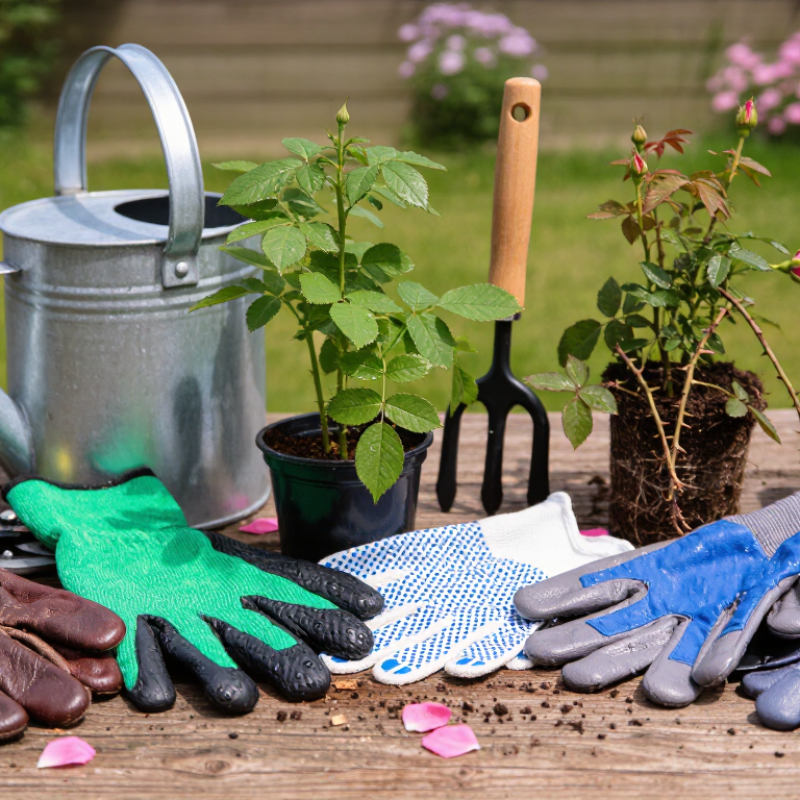
Gardening gloves are protective tools, not simple fabric covers. They shield skin from thorns, rough bark, wet soil, sharp tools, and irritating plant sap. OSHA cites Bureau of Labor Statistics data showing that 70.9% of hand injuries involved workers who were not wearing gloves. That figure does not describe every home gardener, but it exposes a common mistake: treating gloves as optional.
Different tasks require different glove types. Lightweight cotton gloves suit dry planting and seed handling. Nitrile-coated gloves improve grip when soil is damp. Leather gloves offer stronger resistance against branches and rough materials. Long-cuff gauntlet gloves protect the wrists and lower arms during rose pruning. Thorn-resistant designs help, but they are not invincible. Check seams, fingertips, and cuff length before trusting them.
I have found that fit matters more than thickness. Loose fingers catch on tools, while stiff material reduces touch sensitivity. EN 388 markings can help buyers compare mechanical protection, although gardeners should still read the product’s testing details. Chemical-resistant gloves require separate verification under EN ISO 374; ordinary garden gloves may not provide it. I once chose heavy gloves for pruning and lost too much control. Protection increased, but precision declined. Good gardening gloves balance barrier strength, grip, breathability, and comfort for the specific job.
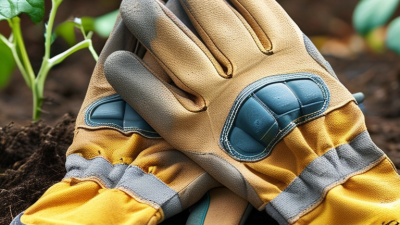
Material often determines how gardening gloves feel, protect, and perform. Cotton gloves are light and breathable, but they offer limited protection against thorns and wet soil. Leather gloves resist abrasion and handle rough branches well. They usually need more care. Nitrile-coated gloves provide a useful balance of grip, flexibility, and moisture resistance. They suit planting, weeding, and handling damp compost.
For thorny roses or dry, coarse materials, choose gloves with thicker leather or reinforced palms. Synthetic fabrics can improve flexibility and dry faster after washing. However, thin materials may tear when pulling stubborn roots. I have found that a close fit improves control around seedlings. Loose fingers make delicate work frustrating. Fit matters too.
Sweaty hands can reduce grip, even when the coating performs well. Breathable fabric may solve that problem, although it can absorb water quickly. Check the glove’s care instructions, because repeated heat can weaken some materials. No single glove suits every task. I still choose lighter gloves for warm mornings and tougher pairs for pruning. That choice is practical, but not perfect. Personal comfort, hand shape, and local weather can change the result. Reliable gardening advice should consider all three, rather than treating one material as universally best.
Gardening gloves are not one universal tool. Their design should match the work, weather, and plants in front of you. Lightweight fabric gloves suit planting seeds, pulling soft weeds, and moving dry soil. They keep hands cleaner while allowing careful finger movement. However, thin fabric offers limited protection from thorns, wet compost, and rough bark. Leather gloves provide stronger abrasion resistance for pruning, carrying branches, and handling tools. They often feel stiffer at first, but regular use can soften the material.
Coated gloves are another practical type. A rubber, latex-free, or nitrile coating can improve grip around wet pots and smooth handles. These gloves are useful for watering and working in damp beds, although thick coatings may reduce touch sensitivity. Waterproof gloves protect skin during muddy tasks, but trapped sweat can make hands uncomfortable. Breathable liners help, yet no glove stays perfectly dry in every condition.
For roses, brambles, and thorny shrubs, gauntlet gloves extend above the wrist and guard part of the forearm. They should fit closely without restricting movement. I once chose a pair that was too loose, and small twigs slipped inside the cuff. That mistake changed how I judge glove fit. Check the fingertips, seams, and cuff before buying. A secure grip matters more than a polished appearance, and washable materials are easier to maintain after contact with soil, sap, and plant residue.
| Glove Type | Common Materials | Best For | Main Advantages | Limitations | Care Guidance |
|---|---|---|---|---|---|
| General-Purpose Fabric Gloves | Knitted cotton, polyester, or nylon; often with a coated palm | Planting, weeding, light pruning, and routine garden maintenance | Lightweight, breathable, flexible, and usually affordable | Limited protection from thorns, sharp tools, and heavy moisture | Wash according to the care label and air-dry thoroughly |
| Waterproof-Coated Gloves | Textile liner with nitrile, latex, PVC, or polyurethane coating | Damp soil, watering, muddy jobs, and handling wet leaves | Improved grip and resistance to water, dirt, and light abrasion | May feel warmer and less breathable; coatings can crack with age | Rinse off soil, dry away from direct heat, and inspect the coating |
| Leather Gardening Gloves | Cowhide, goatskin, pigskin, or synthetic leather | Pruning, moving rough materials, and handling branches or logs | Good abrasion resistance, durability, and protection from rough surfaces | Can be less breathable, less flexible, and uncomfortable when soaked | Allow to dry naturally; condition genuine leather when recommended |
| Thorn-Resistant Gloves | Leather or synthetic shell with extended cuffs and reinforced layers | Roses, berry bushes, brambles, cacti, and thorny shrubs | Extra coverage for the hands and wrists; reduces scratches and punctures | Bulkier, warmer, and less dexterous than lightweight gloves | Remove plant debris and follow the cleaning instructions for the material |
| Long-Cuff Gloves | Fabric, coated textile, leather, or rubber with an extended gauntlet | Working under shrubs, clearing brush, and protecting the forearms | Helps keep soil, insects, sun, and scratches away from the wrists and arms | Can restrict movement and feel hot during warm weather | Clean the cuff area regularly and dry fully before storage |
| Rubber or PVC Gloves | Natural rubber, PVC, or other waterproof synthetic materials | Wet work, compost handling, and tasks involving muddy water | Strong water resistance and easy surface cleaning | Less breathable; natural rubber may cause skin reactions for some people | Wash the exterior, turn inside out when practical, and dry completely |
| Cut-Resistant Gloves | High-performance polyethylene, aramid, or other cut-resistant fibers | Using sharp hand tools and handling materials with sharp edges | Adds protection against cuts and improves confidence during tool use | Cut resistance does not guarantee protection from punctures, crushing, or impacts | Check the stated protection level and replace gloves when fibers are damaged |
| Chemical-Resistant Gloves | Nitrile, neoprene, butyl rubber, or other task-specific barrier materials | Handling approved garden chemicals, fertilizers, or cleaning solutions | Provides a barrier against selected chemicals when the material is compatible | No glove protects against every chemical; fit and breakthrough time matter | Read the product safety information, rinse when appropriate, and replace if contaminated |
What Are the Top Types of Gardening Gloves?
The best gardening gloves depend on the task, not just the season. For planting seedlings, lightweight knit gloves with a breathable coating offer useful finger control. They help you feel small roots and press soil around delicate stems. For digging, choose leather or reinforced gloves with padded palms. These reduce friction from a hand trowel and protect against rough wooden handles.
Pruning roses or clearing thorny shrubs requires thicker leather gloves with long cuffs. The extra length protects your wrists when branches brush against your arms. For wet soil, waterproof-coated gloves keep fingers drier, but they may feel less flexible. Nitrile-coated gloves suit weeding and general maintenance because they grip damp tools well. I once wore thick gloves for simple seed planting and crushed several young stems. Protection is not always better. Poor fit can reduce control.
Tips: Check the fingertips before buying. They should bend without loose fabric. A snug wrist prevents soil from entering, while breathable material reduces sweaty palms. Wash reusable gloves after handling wet compost, then dry them fully. Inspect seams regularly. Small tears can expose skin quickly. I sometimes choose thinner gloves for longer jobs, even when heavier protection seems sensible. That choice is not perfect, but comfort often keeps me working carefully.
Which gardening gloves suit different tasks?
Ratings use a practical 1–5 suitability scale based on the typical properties of each glove material. Nitrile-coated gloves are versatile for everyday gardening and wet work, leather gloves provide stronger protection for pruning, and thorn-resistant gauntlets are best for roses and other thorny plants.
The best gardening glove depends on the task, not appearance. Nitrile-coated gloves suit damp soil and light pruning because they offer grip without bulky fingers. Leather gloves handle thorny stems and rough timber better. Gauntlet-style gloves protect the wrist and lower forearm during rose pruning. Cut-resistant gloves are useful near sharp blades, but they are not cut-proof.
Check the safety label carefully. EN 388 measures abrasion, blade cuts, tearing, and puncture resistance on graded scales. Higher numbers usually indicate stronger protection, but fit still controls performance. The U.S. Consumer Product Safety Commission’s NEISS data continues to record thousands of consumer injuries involving garden tools each year. Gloves cannot replace careful tool handling. I learned that after choosing protection that was too loose. It caught on a branch and reduced my control.
Tips: Measure your hand before buying. Leave no loose fingertips. Wash fabric gloves after muddy work and air-dry them away from direct heat. Wipe leather gloves clean, then condition them occasionally. Never store damp gloves in a sealed box. Inspect the fingertips, seams, and palm coating before every session. Replace gloves when the lining smells persistently, the coating peels, or punctures expose skin. For chemical treatments, follow the product’s safety data sheet and choose gloves with confirmed material compatibility. Some “waterproof” gloves only resist brief splashes. That distinction is easy to miss.