Top 10 Types of Drawstring Bags for Global Buyers
For global buyers, choosing a Drawstring Bag is rarely as simple as selecting a color and logo. Each market has different expectations for capacity, fabric feel, closure strength, printing quality, and delivery cost. A lightweight polyester bag may suit a gym promotion, while a cotton version feels more appropriate for retail packaging or conference gifts. Small details matter. A cord that frays quickly can damage the user experience.
This guide examines the Top 10 Types of Drawstring Bags for Global Buyers. It compares practical features, common applications, material choices, and sourcing considerations. Buyers will see how recycled polyester, canvas, non-woven fabric, mesh, and water-resistant materials perform in real situations. A wet swimsuit needs different protection from a pair of branded shoes. That distinction is easy to miss.
Design authority Dieter Rams once said, “Good design is as little design as possible.” His principle remains useful here. A strong Drawstring Bag should look clear, open easily, carry its intended load, and avoid unnecessary decoration. Still, good design is not always obvious. A lower-cost option may create more waste, while a premium fabric may exceed the project’s budget. There is no universal winner.
We also consider stitching, cord construction, printing durability, packaging, and supplier communication. These points often decide whether a bulk order performs well after production. Some recommendations may require a second look. That is intentional. Global purchasing involves trade-offs, and honest evaluation is more valuable than a perfect-sounding answer.
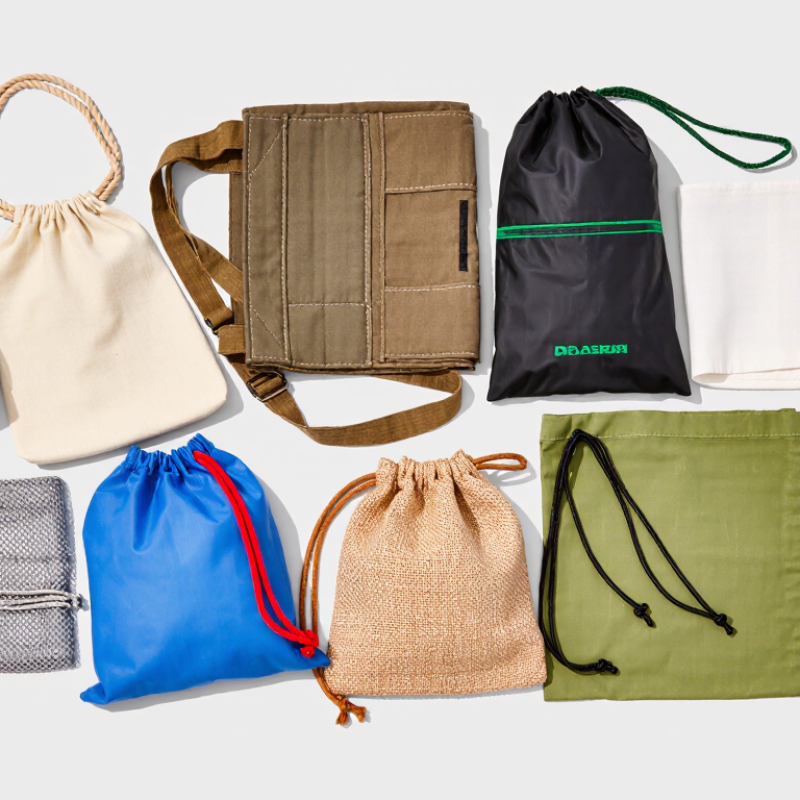
What Drawstring Bags Are and How They Are Classified
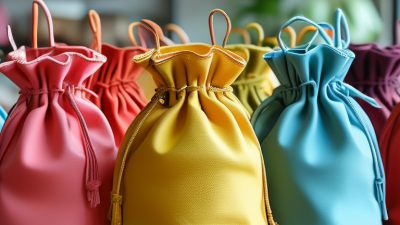
A drawstring bag is a flexible container tightened by pulling cords through a sewn channel. Buyers usually classify it by material, structure, closure, and intended use. Common types include cotton pouches, canvas bags, polyester sports sacks, recycled-fiber bags, mesh laundry bags, velvet gift pouches, waterproof outdoor bags, shoe bags, bottle bags, and heavy-duty storage sacks.
Material changes performance. Cotton feels soft and suits promotional packaging, while canvas handles heavier objects. Polyester resists wrinkles and dries quickly. Mesh improves ventilation for shoes or sportswear. Waterproof coatings protect contents, but they may reduce recyclability. Recycled fibers can lower virgin-material demand, yet buyers should request verified composition data. The OECD’s Global Plastics Outlook reports that packaging created 40% of global plastic waste in 2019. That figure makes material selection more than a design choice.
Size and construction also separate product categories. A flat bag is light and economical; a gusseted bag stands upright and carries bulkier items. Single-cord closures are simple, while double cords improve balance on the shoulders. Field experience shows that thin cords can cut into skin when loads become heavy. This detail is often missed. The Global Recycled Standard and ISO 21898 can support checks on fiber claims and packaging performance, but certification alone does not prove durability. Buyers should test seam strength, cord slippage, odor, wash shrinkage, and color transfer before approving volume production. Some classifications remain imperfect, because one bag may combine recycled polyester, mesh panels, and a waterproof lining.
The Ten Main Drawstring Bag Types by Material and Construction
Global buyers usually compare drawstring bags by fiber, construction, and end-use conditions.
Textile Exchange’s Materials Market Report 2024 recorded 124 million tonnes of global fiber production in 2023. That scale makes material selection more than a design decision.
The ten main types are cotton single-layer, cotton gusseted, heavy canvas, recycled polyester, virgin polyester, nylon ripstop, nonwoven polypropylene, jute, mesh, and laminated drawstring bags.
Cotton feels natural and suits lightweight retail packaging. Gussets improve volume and help the bag stand upright. Canvas handles heavier books, tools, or promotional samples. Recycled polyester offers consistent color and lower dependence on new feedstock. Nylon ripstop resists tearing during travel. Nonwoven polypropylene is economical for short-term distribution. Jute adds a coarse, plant-based texture. Mesh improves airflow for shoes or sports equipment. Laminated bags resist moisture, although coatings can complicate recycling. Paper-fabric hybrids look refined but may weaken around wet contents.
Construction details often decide performance.
Check cord diameter, bartack stitching, seam allowance, lining, and base reinforcement. A 5-millimeter cord can feel noticeably safer than a thin cord on a loaded bag. The Ellen MacArthur Foundation has reported that only about 9% of plastic waste is recycled globally, so “recycled” claims still require supplier verification. Ask for fiber certificates, test reports, and wash or abrasion results.
Real inspections reveal uncomfortable gaps. A durable fabric can still fail at the eyelet. A beautiful jute bag may shed fibers. Small samples can mislead. Test filled bags, not empty ones.
How Bag Design Matches Different Uses and Buyer Requirements
Top 10 Types of Drawstring Bags for Global Buyers
Drawstring bag design should follow the real use, not only the lowest unit price. Cotton bags suit event giveaways, library items, and light daily storage. Polyester bags handle repeated use and frequent washing better. Mesh styles support sports shoes, gym clothing, and wet equipment that needs airflow. Nylon versions are lightweight, compact, and useful for travel or outdoor activities.
Canvas bags offer stronger structure for books, tools, and heavier products. Waterproof roll-top bags protect contents during short trips or rainy commutes. Insulated drawstring bags help carry snacks or prepared meals. Clear bags improve visibility during warehouse handling or organized storage. Reflective designs support evening walking, while shoe bags separate footwear from clean clothing. In my experience, cord thickness and seam strength matter as much as fabric choice. A cheap cord may fray quickly. That detail is easy to miss.
Tips: Ask for samples before confirming large orders. Test the bag with the intended weight, then inspect the bottom corners and cord channels. Check dimensions after stitching, because finished sizes can vary slightly. Confirm fabric weight, color consistency, washing limits, packaging, and delivery requirements in writing. A logo is not enough. Buyers should also consider user comfort, storage space, and the bag’s expected service life.
Key Quality, Customization, and Packaging Factors for Global Buyers
For global buyers, drawstring bag quality begins with fabric, stitching, and repeatable measurements. A practical inspection should check fabric weight, tear resistance, seam strength, cord durability, and colorfastness. Light bags often look acceptable in samples but fail after repeated pulling. Request pre-production samples and test the cord channels, not only the printed surface. ISO 2859-1 sampling can support consistent inspection decisions, although it cannot replace product experience.
Customization must balance appearance with performance. Buyers should confirm logo size, print method, color references, fabric composition, and tolerance limits before production. Recycled polyester may support sustainability goals, but recycled content alone does not prove durability or responsible sourcing. The OECD’s Global Plastics Outlook reported 353 million tonnes of plastic waste in 2019, with packaging representing about 40% of plastic use. That figure makes material selection commercially important, not merely visual. I would also question vague claims without test records.
Packaging needs equal attention. Bags should arrive clean, dry, counted, and protected from compression. Use inner polybags only when necessary, then specify carton strength, carton dimensions, gross weight, and pallet limits. The World Bank’s What a Waste 2.0 estimates global municipal solid waste could reach 3.4 billion tonnes annually by 2050. Excess packaging creates cost and disposal pressure. A barcode, packing list, and carton inspection photos reduce receiving errors. Still, packaging plans are often overlooked until shipment day. That is a preventable weakness.
How to Compare Suppliers, Costs, and Compliance Standards
Top 10 Types of Drawstring Bags for Global Buyers
How to Compare Suppliers, Costs, and Compliance Standards
Global buyers often compare cotton, canvas, polyester, recycled PET, nylon, mesh, velvet, jute, paper, and waterproof drawstring bags. The cheapest quote rarely shows the full cost. Add sampling, printing, packaging, freight, duties, inspection, and possible retesting. Request a complete landed-cost sheet. It should show material weight, dimensions, cord length, carton quantity, and payment terms.
Textile Exchange’s Materials Market Report 2024 estimates global fiber production reached 124 million tonnes in 2023. It may reach 160 million tonnes by 2030. This makes material claims worth checking carefully. Ask for recycled-content certificates, transaction records, and laboratory evidence. “Eco-friendly” is not a compliance document. A supplier should also provide production photos, quality-control procedures, and recent test reports.
Compliance depends on the destination and intended use. For European sales, review REACH requirements and the General Product Safety Regulation. Products marketed for children may require additional safety assessment under local rules. Check dyes, coatings, cords, metal parts, and printed inks for restricted substances. Independent testing is safer than relying on a supplier’s brochure. Still, testing every variation can become expensive. Use a risk-based sampling plan, but document the reasoning. One practical warning: a perfect sample may hide weak bulk production. Approve a sealed reference sample and inspect the first finished cartons before shipment. Supplier audits are useful, yet they are not infallible. That gap deserves attention.
Top 10 Types of Drawstring Bags for Global Buyers
Indicative wholesale price benchmarks for standard drawstring bags, based on common export specifications, basic printing, and medium-volume orders. Actual costs vary by material weight, dimensions, customization, packaging, order quantity, and destination market.
When comparing suppliers, buyers should review material composition, production capacity, sample approval, social and environmental documentation, restricted-substance controls, packaging requirements, and destination-market standards such as REACH for the EU and CPSIA requirements for applicable children’s products in the United States.
Price figures are indicative FOB benchmarks in USD per piece for standard, non-luxury constructions and are not supplier quotations.