Leave Your Message

Top 10 Circular Green Nursing Cap Suppliers for Buyers

Circular Green Nursing Cap sourcing is no longer just a question of color, comfort, or price. Buyers also need to examine fiber content, factory traceability, durability, and what happens after a cap wears out. The scale of the materials challenge is significant. Textile Exchange’s Materials Market Report 2024 estimates that global fiber production reached 124 million tonnes in 2023, a record high. That figure covers many textile markets, not nursing caps alone. Still, it offers useful context for buyers comparing material claims.

Circular-economy pioneer Ellen MacArthur’s foundation describes the guiding principle this way: “A circular economy is based on the principles of designing out waste and pollution, keeping products and materials in use, and regenerating natural systems.” For nursing caps, that principle can translate into recycled or responsibly sourced fibers, sturdy seams, clear care instructions, and realistic take-back options. Claims need checking. A recycled-content label does not, by itself, prove lower impact or reliable end-of-life recovery. Buyers should request composition details, relevant test results, and evidence behind supplier claims. Small details matter: a cap that holds its shape through repeated laundering may be more useful than one with an impressive label but weak stitching. There is no perfect supplier. This guide compares ten options through practical purchasing questions, while recognizing that public sustainability data can be incomplete and product performance varies. That uncertainty deserves attention, not a glossy promise.
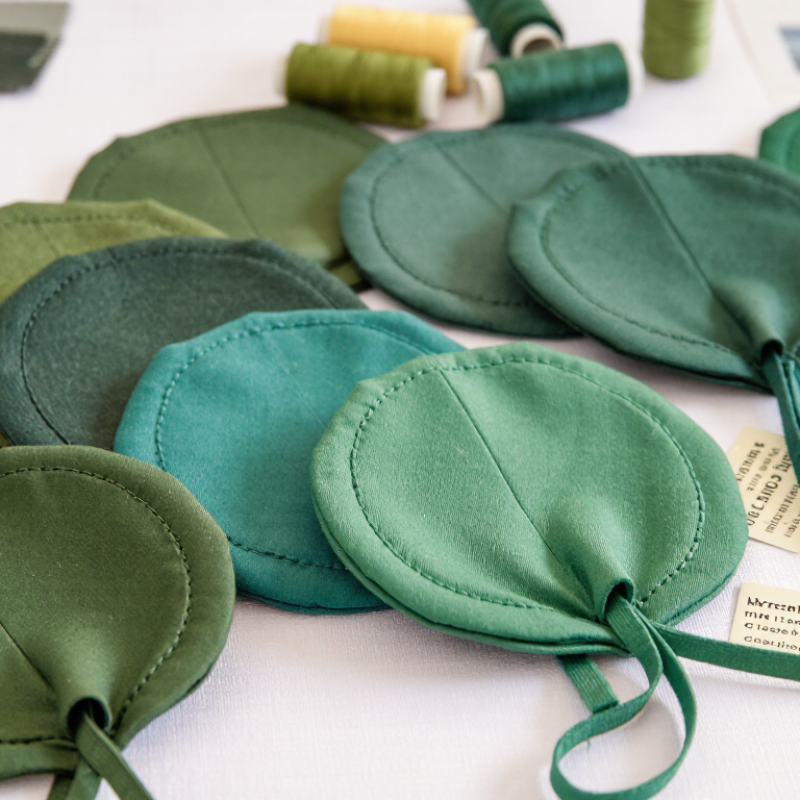
Top 10 Circular Green Nursing Cap Suppliers for Buyers

What Circular Green Nursing Caps Are and How They Are Used

Circular green nursing caps are head coverings designed to keep hair contained during patient care and other clinical tasks. “Circular” usually refers to a product’s life cycle: durable construction, recycled or lower-impact fibers, and a practical route for reuse or recycling. The term is not a universal certification, so buyers should check the fabric composition, care instructions, and end-of-life options. Green may simply be a color choice. It does not automatically indicate a particular role or hygiene level.

In use, a cap should fit securely without slipping over the forehead or leaving long hair exposed. Staff typically put it on before entering designated care areas and follow the facility’s clothing and laundering procedures. Clean, dry caps matter. A reusable cap needs regular washing at the temperature and method specified for its material; inspect seams and elastic for wear. It supports hair containment, but it does not replace hand hygiene, cleaning, or other protective equipment required for a task. Small details count. The label can be vague, and a cap that feels comfortable at first may tighten after washing. Buyers should test fit and durability through repeated laundering before ordering in volume.

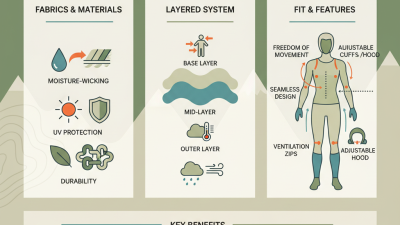
Key Criteria for Evaluating Nursing Cap Suppliers

Buyers comparing circular green nursing cap suppliers should examine evidence, not just color cards. Textile Exchange’s Materials Market Report 2024 estimates global fiber production reached 124 million tonnes in 2023. Recycled fibers represented 7.7%. This distinction matters: recycled content does not automatically mean textile-to-textile recycling. Ask whether the feedstock came from discarded textiles or another source, and request documents linked to the specific fabric batch.

Then assess the cap as it will be used. Request fabric composition, shrinkage results, colorfastness data, seam details, and wash-cycle performance. A cap that loses shape after repeated laundering may need earlier replacement, weakening its circular claim. Check sizing consistency, production lead times, and how the supplier handles rejected batches. Small details matter. Paperwork cannot reveal every stitching flaw, so inspect a sample under bright light and after laundering.

Tips: Compare like with like. Ask suppliers for fabric weight, recycled-content evidence, and care instructions. Confirm that any durability tests reflect your facility’s laundering protocol. A low price can hide thin fabric or inconsistent sizing; I would not treat either as proof of poor quality, but both deserve a closer check.

Top 10 Circular Green Nursing Cap Suppliers for Buyers

Buyers comparing circular green nursing cap suppliers should look beyond fabric labels. Ask whether the material contains recycled or responsibly sourced fibers, and request documentation showing its composition. A recycled label alone tells little. Check how the supplier handles cutting scraps, packaging, and damaged returns; circularity depends on more than the cloth itself. Small details matter.

Request a sample and inspect the seams, elastic, and ties after repeated washing. Caps should stay comfortable through a long shift, without slipping or losing shape. Test colorfastness with your usual laundry process. If the supplier provides care instructions, compare them with your facility’s routines. A cap that needs special treatment may be less practical than it first appears.

Also review minimum order quantities, lead times, size options, and the supplier’s process for consistent reorders. Ask for relevant quality and material records, then verify that they apply to the exact product being quoted. Some suppliers may offer take-back or repair programs, but details can vary. Get terms in writing. One part of procurement is easy to overlook: a greener fabric does not automatically mean a longer-lasting cap. Check fit and durability with the staff who will wear it.

Comparing Supplier Products, Pricing, and Sustainability

Buyers comparing circular green nursing caps should assess materials, construction, and total cost together. Ask suppliers for fiber percentages, recycled-content documentation, and details on dyes and trims. Textile Exchange’s Materials Market Report 2024 estimates that recycled fibers made up 7.9% of global fiber production in 2023; textile-to-textile recycled fibers accounted for less than 1%. These figures describe the wider market, not nursing caps specifically. Details matter.

Compare equivalent products: fabric weight, reinforced seams, adjustable closures, size range, and expected wash performance. Request sample caps and laundering results before placing a large order. A low unit price may be offset by fading, loose stitching, or frequent replacement. Test samples first. Also compare minimum order quantities, shipping, and repair or take-back options, where available. Not every claim is circular.

For a broader waste context, the U.S. Environmental Protection Agency estimated that 17 million tons of textiles entered the U.S. municipal waste stream in 2018, with 11.3 million tons landfilled. That older, nationwide figure is not specific to medical apparel, but it highlights why durability and end-of-life plans deserve scrutiny. Ask suppliers how they substantiate environmental claims and whether caps can be repaired, reused, or recycled through a clearly described program. A cheaper quote can still be the weaker value.

How to Select and Order the Right Nursing Caps

Selecting circular green nursing caps starts with the work they must withstand, not the color of a sustainability claim. Check fabric composition, seam strength, coverage, and whether the cap stays secure during a full shift. Textile Exchange’s Materials Market Report 2024 estimates that global fiber production reached 124 million tonnes in 2023, while recycled fibers made up 7.7% of the total. Ask suppliers to state the recycled-content percentage and whether it comes from pre- or post-consumer material. Request supporting documentation; “eco-friendly” alone is not a measurable specification.

Order a sample before committing to volume. Wear it through a shift, then wash it according to the supplier’s care instructions. Note shrinkage, fading, loose seams, and fit after repeated laundering. Test before scaling. Reusable caps may reduce single-use purchases, but only if staff can maintain them and the fabric holds up. A product’s circular claim does not prove its real-world service life.

For a quotation, provide head measurements or fit requirements, fabric preferences, colors, logo-free design details, quantity, delivery location, and required arrival date. Ask for minimum order quantity, sample fees, lead time, packaging details, and replacement terms in writing. Compare cost per expected use, not just unit price. That estimate can be imperfect: laundry practices vary, and actual lifespan is hard to predict. Keep a small trial batch before placing a larger order.