Leave Your Message

7 Tips for Choosing the Right Kneelet Kneecap?

Choosing the right Kneelet Kneecap can feel simple, until your knee starts slipping inside the support. A brace may look strong on a product page, yet feel hot, loose, or restrictive after ten minutes. The better choice begins with your symptoms, daily movement, and realistic expectations.

Sports-medicine physician Dr. Jordan Metzl often reminds active patients, “The best brace is the one you will wear.” That practical idea matters when comparing materials, compression, hinge design, and open or closed patella shapes. A Kneelet Kneecap should feel secure during walking, climbing stairs, or light training. It should not cause numbness, sharp pressure, or skin discoloration.

Small details matter.

This guide explores seven useful tips for choosing a Kneelet Kneecap, including measuring your leg correctly and checking the product’s support level. It also considers breathability, adjustability, durability, and cleaning needs. A soft sleeve may suit mild support, while a hinged model may offer greater stability during demanding movement. Still, stronger does not always mean better. Excessive compression can become uncomfortable and may distract you from the real problem.

Your knee deserves attention.

Personal experience can help, but it should not replace qualified medical advice. Persistent swelling, locking, weakness, or pain after an injury requires professional evaluation. Product labels can also be unclear, and sizing charts are not always consistent. That is worth remembering. By examining fit, function, comfort, and intended use together, readers can make a safer, more informed decision instead of choosing only by appearance or price.
7 Tips for Choosing the Right Kneelet Kneecap?

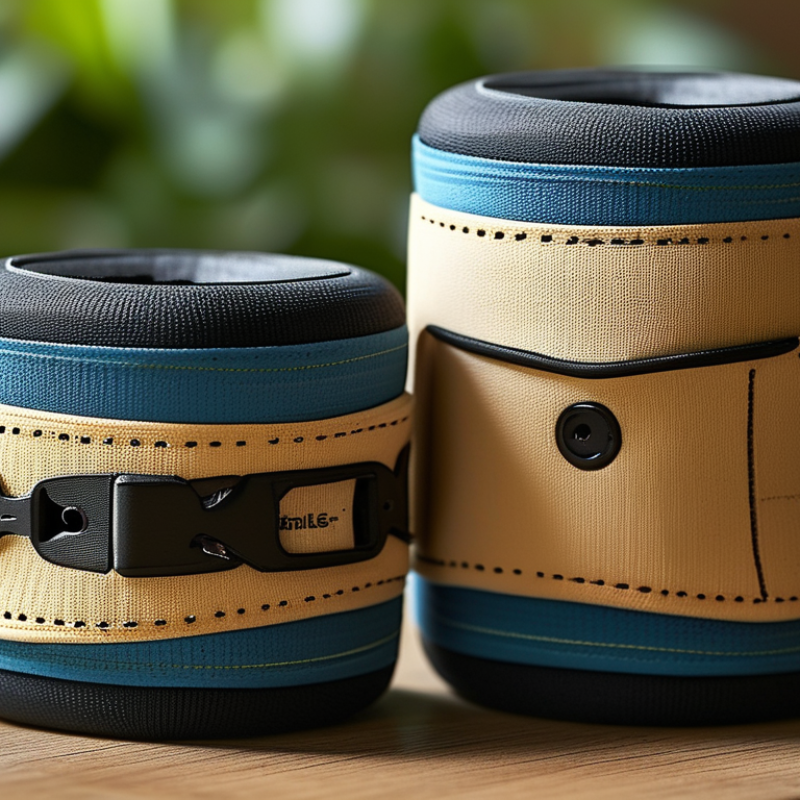
Define the Kneelet’s Purpose: Pain Relief, Patellar Control, or Stability

A kneelet should match the problem you are trying to manage. Pain relief usually calls for gentle compression and warmth around the kneecap. This may reduce discomfort during walking, stairs, or light exercise. It does not repair damaged tissue or replace medical assessment. Fit matters.

Patellar control is different. A kneelet with a shaped opening, stabilizing strap, or targeted padding may help guide the kneecap during movement. This option can suit people who notice slipping, rubbing, or pain when bending the knee. Stability supports are usually firmer, sometimes with side stays. They can feel reassuring after a minor strain, but excessive stiffness may change your movement pattern. Do not guess.

Consider when symptoms appear. Pain during running may need a different design from discomfort after sitting. Measure your thigh and knee according to the garment’s instructions, then check for even pressure. Your fingers should slide under the edge without effort. Numbness, tingling, swelling, or skin color changes indicate a poor fit. Remove the kneelet and seek professional advice if these symptoms continue.

A physiotherapist or clinician can help distinguish kneecap tracking problems from ligament, tendon, or joint conditions. That distinction matters. In my experience, people often choose the strongest support, assuming more structure means better protection. I have made that assumption too, and it is not always correct. Comfort, movement, and the actual purpose should guide the choice.
Confirm the Condition Using AAOS Knee-Bracing Guidance and Clinical Evidence

7 Tips for Choosing the Right Kneelet Kneecap?

Confirm the Condition Using AAOS Knee-Bracing Guidance and Clinical Evidence

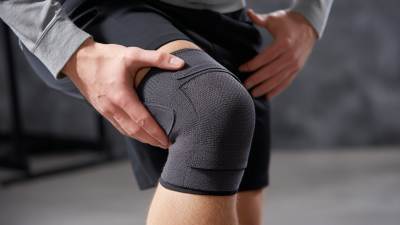
Choosing a kneelet should begin with the diagnosis, not the product shelf. Knee pain may come from osteoarthritis, patellar tracking problems, ligament injury, swelling, or referred hip pain. AAOS guidance supports individualized care, and brace benefits can differ between conditions. Ask a qualified clinician whether compression, patellar support, or a hinged brace matches your examination findings.

Check seven practical details: pain location, brace purpose, pressure level, material, fit, movement limits, and skin tolerance. A kneecap sleeve should feel secure without numbness, cold toes, tingling, or increasing pain. Test it during a short walk and gentle sit-to-stand movement. It should not roll behind the knee. Measure the leg carefully, because “one size fits most” often fits nobody perfectly.

Clinical evidence is mixed. Some people report better stability and confidence, while others gain little relief. A brace cannot correct weak hip muscles or replace rehabilitation. Exercise, strength training, weight management, and activity changes may matter more for persistent osteoarthritis symptoms. I have seen users tighten supports too much, hoping for faster relief. That can irritate the skin and restrict circulation. Stop using the brace if swelling, discoloration, or worsening pain appears. Seek prompt medical assessment after major trauma, a locked knee, fever, or sudden inability to bear weight.

Measure Mid-Patella Circumference Against the Manufacturer’s Size Chart

Choosing the right kneelet begins with one measurement: mid-patella circumference. Measure around the center of your kneecap, where the tape stays level across the joint. Keep your leg relaxed, and avoid pulling the tape tightly. Record the measurement in centimeters, then compare it directly with the manufacturer’s size chart. Do not assume medium means the same across products.

Repeat the measurement twice. Small errors can shift you into another size. A 2023 review in the Journal of Athletic Training noted that poorly fitted knee supports may reduce comfort and limit consistent use. The World Health Organization reports that 528 million people lived with osteoarthritis in 2019, with the knee among the most affected joints. Fit matters for daily comfort.

Use the chart’s stated position, because some guides require a straight leg while others use slight flexion. If your measurement falls between sizes, check the product’s compression guidance before choosing. A smaller size is not automatically better. Watch for numbness, tingling, skin discoloration, or sharp pressure around the patella. Those signs deserve attention. The honest limitation is that circumference cannot show swelling patterns, tendon pain, or joint instability. A clinician’s assessment may be necessary, especially after injury. Even careful measuring has room for error.

7 Tips for Choosing the Right Kneelet Kneecap? - Measure Mid-Patella Circumference Against the Manufacturer’s Size Chart

Tip What to Check Recommended Method or Reference Why It Matters
1 Measure at the mid-patella Wrap a flexible tape around the center of the kneecap while standing naturally. Keep the tape level, snug, and not tight. The mid-patella circumference is a commonly used measurement for knee supports and provides a more consistent fit reference than guessing by height or weight.
2 Record both units Write down the result in centimeters and inches. Convert using: 1 inch = 2.54 cm. Manufacturers may publish sizing charts in either metric or imperial units, so recording both reduces conversion errors.
3 Compare the measurement with the exact size chart Use the size chart supplied for the specific kneelet. Do not assume that Small, Medium, or Large has the same range across different products. Sizing labels are not standardized. The manufacturer’s stated circumference range is the most relevant fitting reference.
4 Use the larger size when between sizes If the measurement falls exactly between two ranges, select the larger size unless the product instructions specifically recommend otherwise. A slightly larger option is generally less likely to create excessive pressure, restricted movement, or skin irritation.
5 Check the intended support level Confirm whether the kneelet is designed for light compression, moderate support, patellar stabilization, or activity-specific use. A correct circumference does not guarantee suitability if the support design does not match the intended activity or comfort requirements.
6 Test the fit after fitting The kneelet should stay in place without rolling, bunching, slipping, numbness, tingling, or increasing pain. Check the skin after removal. Movement, swelling, and fabric tension can change the fit during use, even when the initial measurement is accurate.
7 Re-measure when your knee size changes Measure again after significant swelling, injury, surgery, weight change, or a prolonged change in activity level. Knee circumference can change over time, and a previously suitable kneelet may become too tight or too loose.

Mid-Patella Measurement Reference

Circumference Range Approximate Inches General Reference Category Selection Note
30–34 cm 11.8–13.4 in Smaller circumference Verify that the product’s smallest available size includes the measured value.
34–38 cm 13.4–15.0 in Small-to-medium circumference Compare the measurement with the product-specific chart before choosing a size.
38–42 cm 15.0–16.5 in Medium-to-large circumference If the value is near a boundary, consider comfort, swelling, and the manufacturer’s fitting instructions.
42–46 cm 16.5–18.1 in Larger circumference Check whether the kneelet provides enough width and stretch without creating excessive pressure.
46–50 cm 18.1–19.7 in Extra-large circumference Use only as a general reference; select the exact size range published for the product.

Important: The circumference ranges above are general measurement references, not universal size standards. Always prioritize the manufacturer’s current size chart and seek professional advice if the knee is painful, significantly swollen, numb, or unstable.

Compare 15–30 mmHg Compression Levels With Activity and Support Needs

Choosing a kneelet requires more than reading its compression number. The 15–30 mmHg range covers noticeably different support levels. Light compression, around 15–20 mmHg, may suit desk work, commuting, or gentle walking. It can feel like a firm handshake around the knee. For longer standing or mild swelling, 20–30 mmHg may provide stronger control. Fit matters more than the number alone.

Activity changes the decision. A flexible kneelet can support movement during cycling, hiking, or recreational sport. A tighter model may feel stable, but it can restrict bending or create pressure behind the knee. A 2021 systematic review in Sports Medicine found that compression garments may reduce perceived muscle soreness, while performance improvements remained inconsistent. The evidence is useful, not perfect. Do not treat compression as a cure.

Check the product’s actual pressure claims and sizing chart. Knee circumference, fabric tension, and movement can alter delivered pressure. The 2020 International Consensus Statement on medical compression advises caution when arterial circulation is impaired and recommends clinical assessment before stronger compression. Stop wearing it if numbness, unusual coldness, skin color changes, or increasing pain appears. A small fitting mistake can matter. For persistent swelling, instability, or pain after injury, a physiotherapist or clinician should assess the cause, rather than relying on compression alone.

Evaluate Fit, Materials, Mobility, and Warning Signs Before Daily Use

7 Tips for Choosing the Right Kneelet Kneecap?

Evaluate Fit, Materials, Mobility, and Warning Signs Before Daily Use

Fit comes first. Measure the knee according to the product’s instructions, preferably when swelling is minimal. A kneelet should feel secure, not restrictive. It should stay in place while walking, climbing stairs, or sitting.

Check the material against your skin. Breathable fabric helps reduce sweat, while soft seams can prevent rubbing. Neoprene may provide warmth, but it can feel uncomfortable during long, active days. People with sensitive skin should test the support for fifteen minutes before extended use. Small details matter.

Mobility matters more than maximum compression. Bend the knee fully and take several normal steps. If the support bunches behind the knee, adjust it or choose another design. I once assumed tighter meant better support; it only caused numbness. That was a useful mistake. A qualified clinician can help match the support to an injury, recovery stage, or recurring pain.

Watch for warning signs. Remove the kneelet if you notice tingling, discoloration, increased swelling, sharp pain, or unusual coldness. Persistent symptoms deserve medical assessment, not repeated adjustment. Inspect the stitching, elastic, and fastening areas regularly. Wash the material as directed, because trapped moisture can irritate the skin. Daily use should begin gradually, with breaks during the first few days. Comfort is not proof of effectiveness.