Leave Your Message

Why Are Pet Accessories in High Demand Worldwide?

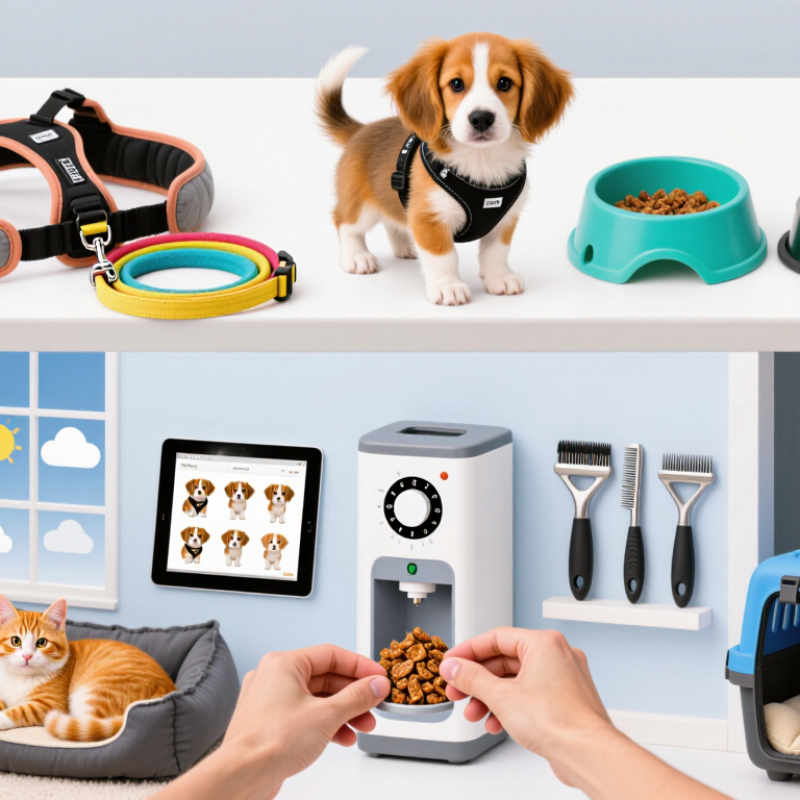
Pet Accessories have become a visible part of everyday pet care, from padded harnesses to slow-feeder bowls. Across many markets, people increasingly treat pets as companions whose comfort and safety deserve thoughtful attention. A well-fitted collar, a washable bed, or a sturdy carrier can make ordinary routines easier. Small details matter.

Changing lifestyles also shape demand. In compact homes, foldable gates and easy-to-clean mats help manage limited space. For busy owners, timed feeders and grooming tools can support regular care, though they cannot replace attention or veterinary advice. Online shopping gives buyers access to more styles and price points. More choice, more questions.

The growing market reflects practical needs as well as personal expression. Some owners choose a bright leash that is easy to spot on a walk; others look for durable materials that withstand frequent washing. Preferences vary by climate, household, pet size, and daily routine, so no single product suits every animal. That is worth remembering.

Trustworthy guidance should focus on fit, safe materials, clear care instructions, and realistic product claims. Buyers can check sizing charts, inspect stitching and fasteners, and introduce unfamiliar items gradually. A fashionable design may look appealing but still be uncomfortable or difficult to clean. Product quality matters more than novelty.

Understanding why demand is rising helps explain how Pet Accessories serve modern households—and where thoughtful buying makes a difference. The trend is not simply about owning more. It is about choosing useful, well-made items that support an animal’s comfort without overlooking individual needs.
Why Are Pet Accessories in High Demand Worldwide?

What Pet Accessories Include and How They Support Animal Care

Pet accessories are the everyday tools that make feeding, resting, travel, play, and grooming more manageable. They include food and water bowls, beds, collars, carriers, brushes, litter trays, toys, and protective clothing. The right choice depends on an animal’s size, age, coat, health, and habits. A quiet cat may prefer a covered resting place, while an energetic dog may need sturdy toys and a well-fitted harness.

Small details matter. A bowl that slides across a kitchen floor can make meals awkward; a washable bed can help keep fur and dirt from building up. Carriers should allow pets to stand and turn comfortably, and collars or harnesses should fit securely without rubbing. Check seams, fasteners, and chewable parts regularly. Replace worn items. It is easy to buy too much.

Accessories can support care, but they do not replace attention or veterinary advice. A brush may reduce loose hair, yet some coats need a gentler tool than others. Toys can encourage movement and engagement, though a pet’s interest may change from day to day. Observe how an animal uses each item, clean it as directed, and adjust when it causes discomfort. A useful accessory is one the animal can safely tolerate and the caregiver can maintain.
How Pet Ownership and Human–Animal Bonds Drive Demand

Why Are Pet Accessories in High Demand Worldwide?

A pet often becomes part of the household rhythm: a dog waits beside the door, while a cat claims the warmest chair. These everyday bonds encourage owners to make animals comfortable and included. A well-fitted harness can make a walk calmer; a washable bed gives an older pet a softer place to rest. Small comforts matter.

As pet ownership grows, people seek products that support care, play, and shared routines. Demand is not driven by affection alone. Owners also look for practical details, such as durable stitching, easy cleaning, and a size that suits their animal. A thoughtful accessory can help, but it cannot replace attention or veterinary advice. More gear is not always better, and that is easy to forget when a cute item feels irresistible.

Tips: Check fit and materials before buying. Watch how your pet uses the item, especially during the first few days. If it causes rubbing, fear, or discomfort, stop using it and reassess. A simple, safe choice often serves the bond better than another purchase.

Why Are Pet Accessories in High Demand Worldwide? - How Pet Ownership and Human–Animal Bonds Drive Demand

Demand driver Reported evidence What it suggests for accessories
Large pet-owning population In the United States, an estimated 66% of households—about 86.9 million households—owned a pet in 2023–2024. A large household base creates recurring needs for everyday items such as collars, leashes, bowls, beds, carriers, and grooming tools.
Strong emotional connection A 2023 Pew Research Center survey found that 97% of U.S. pet owners considered their pets part of their family; 51% said pets were as much a part of the family as human members. When owners view pets as family, comfort, safety, enrichment, and personalization can become important considerations in product choices.
Substantial pet-related spending U.S. pet-industry expenditure totaled $147.0 billion in 2023 across food, veterinary care, supplies, and other categories. The total reflects the scale of spending on pets overall; it should not be interpreted as accessory sales alone.
Dedicated supplies category The 2023 U.S. spending breakdown reported $32.0 billion for “supplies, live animals, and over-the-counter medicine.” This broad category includes more than accessories, but it shows that non-food pet products represent a significant area of household spending.
Ongoing care and changing needs Pet ownership figures and spending data describe a broad, recurring consumer market; the cited sources do not isolate global accessory purchases or prove that every product segment is growing. As pets age or household routines change, owners may replace or add items for travel, exercise, hygiene, rest, and safety. This is a demand rationale, not a measured sales forecast.

Sources: American Pet Products Association, 2023–2024 National Pet Owners Survey and 2023 industry expenditure figures; Pew Research Center, “Americans and their pets” (2023). Figures are U.S.-specific and are presented as market context, not as worldwide accessory sales.

Why Safety, Comfort, and Enrichment Shape Purchasing Choices

Why Are Pet Accessories in High Demand Worldwide?
Why Safety, Comfort, and Enrichment Shape Purchasing Choices

Pet accessories are popular because people want daily care to feel safer and more comfortable. In busy homes and small apartments, a well-fitted harness or washable bed can make routines easier. Buyers look for secure stitching, smooth edges, and materials that are simple to clean. A loose buckle or poor fit can cause problems, so checking sizing matters. Fit matters. Comfort matters, too. A padded resting spot can help a pet settle, while breathable fabrics may feel better in warm weather.

Tips: Measure your pet before buying. Check seams, fasteners, and care instructions. Introduce unfamiliar items gradually, and supervise early use.

Enrichment also shapes choices. Sniffing mats, sturdy chew toys, and food puzzles can give pets useful ways to explore and stay occupied. Choose items suited to the animal’s size, age, and chewing habits; no toy is right for every pet. It is easy to be drawn to bright colors or clever features, but those details do not guarantee safety or lasting interest. Rotate toys and watch how your pet uses them. If an item becomes damaged, remove it. For mobility or sensory concerns, ask a veterinarian what features may suit your pet.

How E-Commerce and Product Innovation Expand Global Access

E-commerce has made pet accessories easier to discover beyond local shops. A caregiver can compare harness sizes, read care instructions, and check delivery estimates from home. Clear measurements matter: a collar should sit comfortably, while a carrier must suit the animal’s size and travel needs. Helpful product pages show materials, dimensions, washing guidance, and close-up images. Small details can prevent costly mismatches.

Still, convenience is not the whole story. Internet access and delivery options vary, and product descriptions are not always clear. That deserves attention. Product innovation can make choices more practical: adjustable straps accommodate different body shapes, washable fabrics simplify cleanup, and lightweight designs are easier to store. Thoughtful features should be tested for comfort and durability, not just appearance. Customer feedback can reveal problems that polished photos miss, though individual reviews may not reflect every pet’s needs. When online sellers provide specific, consistent information, shoppers in more places can make informed decisions and find accessories suited to everyday routines.

How Regional Lifestyles and Spending Patterns Influence the Market

Pet accessories sell for different reasons across regions; lifestyle often matters as much as pet ownership. In dense cities, compact carriers, washable mats, and foldable bowls suit smaller homes and crowded transit. In car-dependent areas, seat covers, travel crates, and durable outdoor gear help with longer journeys. These are patterns, not rules. A city household may still need a large scratching post.

The American Pet Products Association’s 2024 report estimates U.S. pet-industry spending reached $152 billion in 2024, up from $147 billion in 2023. That total includes far more than accessories, so it signals spending capacity, not accessory sales alone.

FEDIAF’s 2024 European report counts 299 million pets and 166 million pet-owning households across Europe. Such scale supports demand for everyday products, but local budgets shape choices: some buyers prioritize affordable, washable basics; others pay more for ergonomic harnesses or smart feeders.

The divide is not tidy. Even affluent shoppers may replace one worn leash rather than buy seasonal gear. Market teams should test fit, weather resistance, durability, and local price points instead of assuming one lifestyle travels everywhere. Report totals cannot reveal every household’s priorities.