Choosing the right bicycle accessories can change an ordinary ride into a safer, more comfortable experience. A reliable helmet, bright front and rear lights, and a strong lock usually deserve attention before decorative items. These essentials support visibility, protection, and practical daily use.
Popular Bicycle Accessories also include phone mounts, cycling gloves, water bottles, pumps, repair kits, panniers, and bicycle computers. Each item solves a different problem. A phone mount can help with navigation, but it should hold securely on rough roads. A compact pump and tire levers may seem unnecessary until a flat tire interrupts a quiet weekend ride. Small details matter.
Experienced cyclists and professional mechanics often recommend choosing accessories according to riding distance, weather, road conditions, and storage needs. A commuter may prefer waterproof panniers, while a mountain biker may value a durable multitool and protective gloves. Quality matters, but expensive products are not always better. Sometimes, a simple accessory works best. That is worth remembering.
This guide explores the most popular types of bicycle accessories and explains their practical uses. It also considers comfort, durability, safety features, and everyday convenience. Product descriptions can sound convincing, yet real-world performance may vary. Check fit, materials, warranty information, and user feedback before buying. Your needs come first.
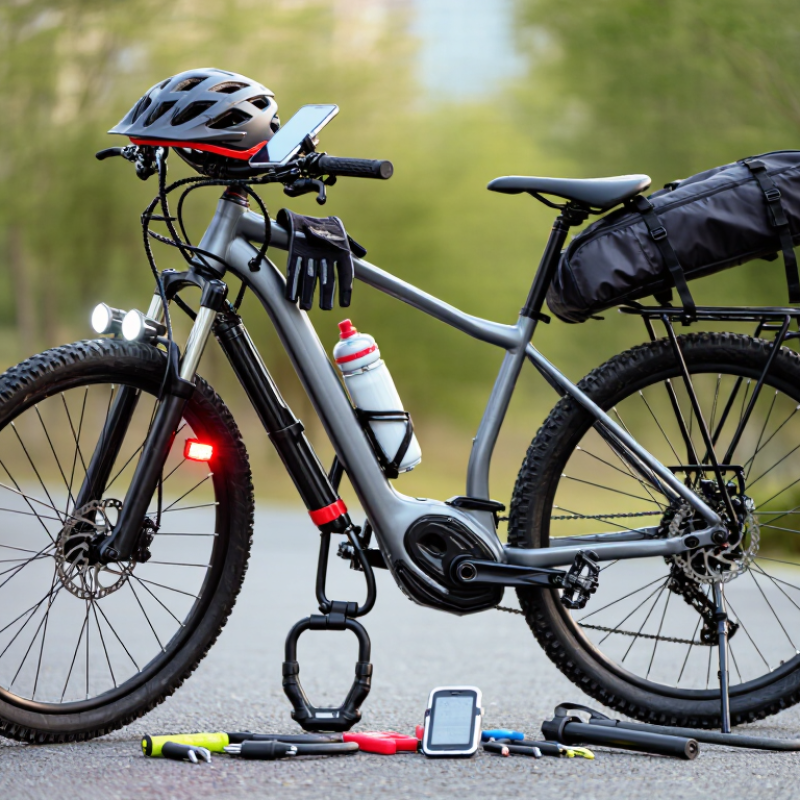
Bicycle accessories are add-on products that improve safety, comfort, control, or carrying capacity. They are not merely decorations. A rear light, helmet, bell, lock, pump, or repair kit can change a short ride significantly. PeopleForBikes’ 2023 U.S. Bicycling Participation Study reported that 112 million Americans rode bicycles in 2022. That broad participation helps explain the demand for practical accessories across commuting, recreation, and fitness.
The main categories follow real riding needs. Safety accessories include lights, reflective clothing, bells, and helmets. Carrying accessories include panniers, baskets, frame bags, and bottle cages. Maintenance products include pumps, tire levers, spare tubes, lubricants, and multitools. Comfort-focused items include padded saddles, ergonomic grips, mudguards, and cycling gloves. Navigation devices and speed computers support training and route planning. Small details matter.
Popularity does not always equal usefulness. A 2024 Grand View Research report described the global bicycle accessories market as expanding with urban cycling and recreational participation. However, market growth can encourage unnecessary purchases. I once considered a large saddlebag essential. It became uncomfortable after only a few kilometers. A compact repair kit worked better. The best accessory matches distance, weather, road surface, and storage needs. Fit should come before appearance. Safety should come before convenience. Even experienced riders sometimes buy first and test later. That habit deserves reconsideration.
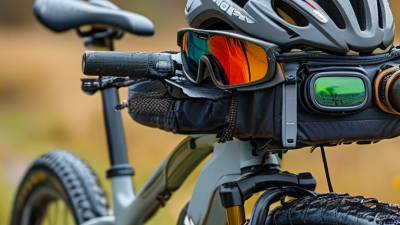
A well-fitted helmet is the most important safety accessory for everyday cycling. It should sit level, cover the forehead, and stay secure when you shake your head. Look for recognized safety certification in your region, and replace the helmet after a serious impact. Small fitting errors matter. A loose chin strap can reduce protection when you need it most.
Visibility accessories help other road users notice movement and distance. White or amber lights work well at the front, while red lights belong at the rear. Choose steady or flashing modes according to local rules and riding conditions. Reflective ankle bands are especially useful because their movement attracts attention. A bright vest, reflective backpack cover, and reflective strips on pedals can add more visual signals after sunset. Keep lights clean and check their batteries before leaving home.
Protective gloves can improve grip and reduce scraped palms during a fall. Clear cycling glasses shield eyes from dust, insects, and sudden wind. A bell or other audible warning device helps communicate on shared paths, but it cannot replace careful braking. On one evening ride, I discovered that my rear light was partly hidden by a jacket. That mistake changed my routine: I now check visibility from several steps behind the bicycle. Safety equipment works best when it is fitted, charged, clean, and used consistently.
Among the most popular bicycle accessories, comfort-focused items often make everyday riding easier. A well-fitted saddle can prevent pressure during longer commutes. Padded cycling shorts may help, but their fit matters more than thickness. Comfortable handlebar grips reduce hand fatigue on rough streets. Comfort is personal. I once chose a soft saddle that felt pleasant at first. After thirty minutes, it created more pressure than my old one. That experience reminded me to test accessories gradually.
Convenience accessories can turn a bicycle into a practical daily transport option. A rear rack carries groceries, work clothes, or a small bag without loading your back. Panniers keep weight balanced beside the wheel. A front basket offers quick access for light items, such as bread or a folded jacket. Keep heavier objects low and secure. A bottle cage prevents awkward stops during warm rides. Mudguards also deserve attention because they protect clothing from road spray. They matter on ordinary wet mornings.
Visibility and control accessories support comfort as well. Front and rear lights help other road users notice the bicycle in poor conditions. A bell provides a clear warning on shared paths. A phone mount can support navigation, but it should not distract the rider. Check that every attachment stays tight before leaving. I sometimes underestimate small adjustments, especially after installing a new rack. That habit needs correction. A loose accessory can become noisy, uncomfortable, or unsafe within a few miles.
| Accessory Type | Main Everyday Benefit | Typical Installation or Use | Common Material | Typical Weight | Typical Retail Price (USD) | Best Suited For |
|---|---|---|---|---|---|---|
| Padded Saddle | Improves seating comfort and helps reduce pressure during longer rides. | Mounted to the seat post using standard saddle rails. | Steel or alloy rails with foam or gel padding and a synthetic cover. | Approximately 350–700 g | $20–$80 | Commuting, leisure riding, and recreational cycling |
| Ergonomic Handlebar Grips | Reduces hand pressure and vibration while improving grip comfort. | Slides or locks onto flat or riser handlebars. | Rubber, silicone, foam, or thermoplastic compounds. | Approximately 100–250 g per pair | $12–$45 | Daily urban riding and bikes with flat handlebars |
| Front and Rear Lights | Improves visibility to other road users in low-light conditions. | Attached to the handlebar, seat post, or rear rack with a strap or bracket. | Polycarbonate housing with LED light units and rechargeable or disposable batteries. | Approximately 40–180 g per set | $20–$90 per set | Early-morning, evening, and poorly lit routes |
| Full-Length or Clip-On Mudguards | Helps protect the rider and bicycle from water, mud, and road spray. | Fixed to the fork and frame or clipped onto the seat stays and fork. | Plastic, aluminum, or stainless steel. | Approximately 400–900 g per set | $25–$100 per set | Wet-weather commuting and rides on unpaved roads |
| Rear Rack | Provides a stable platform for carrying bags, groceries, or panniers. | Bolted to compatible frame mounting points near the rear wheel. | Aluminum alloy or steel tubing. | Approximately 500–1,000 g | $35–$120 | Commuting, shopping, and utility cycling |
| Pannier Bags | Offers hands-free storage while keeping weight off the rider’s back. | Hooks onto a rear rack and can usually be removed without tools. | Water-resistant polyester, nylon, or coated fabric. | Approximately 600–1,500 g per pair | $45–$180 per pair | Work commutes, errands, and carrying clothing or equipment |
| Handlebar or Frame Bag | Keeps small items such as keys, snacks, and a phone within easy reach. | Attached with straps, hook-and-loop fasteners, or quick-release mounts. | Nylon, polyester, or coated waterproof fabric. | Approximately 150–500 g | $20–$90 | Short trips, commuting, and recreational rides |
| Water Bottle Cage and Bottle | Allows convenient access to drinking water while riding. | Cage bolts onto standard frame bosses; bottle slides into the cage. | Aluminum, composite plastic, or stainless steel. | Approximately 100–250 g per set | $12–$45 per set | Daily rides, exercise, and warm-weather cycling |
| Phone Mount | Provides access to navigation, ride information, or hands-free calls when stopped. | Clamped to the handlebar with a cradle, strap, or locking mount. | Aluminum alloy, engineering plastic, silicone, or rubber. | Approximately 80–250 g | $15–$70 | Navigation-based commuting and unfamiliar routes |
| Kickstand | Allows the bicycle to stand upright without leaning against another object. | Mounted near the rear chainstay, bottom bracket, or frame center. | Aluminum alloy or steel with a rubber foot. | Approximately 250–450 g | $15–$50 | Utility bikes, commuter bikes, and bicycles used for errands |
| Cable Lock or Folding Lock | Provides a practical way to secure the bicycle during short stops. | Wrapped around the frame and a fixed object; some models attach to the frame. | Braided steel cable, hardened steel links, or coated metal. | Approximately 500–1,500 g | $20–$100 | School, workplace, shopping, and brief public stops |
| Bicycle Bell or Electronic Horn | Provides an audible warning to pedestrians and other cyclists. | Clamped near the handlebar grip for easy thumb access. | Aluminum, steel, plastic, or electronic components. | Approximately 40–180 g | $8–$40 | Shared paths, parks, and urban cycling |
Performance accessories can turn an ordinary bicycle into a more controlled, efficient machine. The Outdoor Foundation’s 2024 Outdoor Participation Trends Report recorded 54.7 million U.S. bicycling participants in 2023. That growing audience is choosing tools that measure effort, reduce drag, and improve handling.
A cycling computer tracks speed, distance, and gradients without constant guessing. A cadence sensor can reveal inefficient pedaling, especially on climbs. For serious training, a power meter shows effort more accurately than speed alone. Wider, properly inflated tires may also improve control on rough pavement. I have found that tire pressure changes the ride immediately. Too much pressure feels fast, but corners become nervous. That assumption is not always correct.
Safety and control deserve equal attention. The National Highway Traffic Safety Administration reported 1,105 bicyclist deaths in the United States during 2022. Bright front and rear lights, reflective details, and reliable braking components improve visibility and confidence. Tips: Match accessories to your route. Test one upgrade at a time. Check tire pressure before every ride. I still carry more equipment than necessary on long rides, and that extra weight can reduce efficiency. A short trial ride often exposes that mistake.
What Are the Most Popular Types of Bicycle Accessories?
Carrying accessories make daily cycling more practical. A compact rear rack can support groceries, work clothes, or a small pannier. Handlebar bags keep snacks, keys, and a phone within reach. A properly fitted saddle bag is useful for tubes and tire levers. Keep it simple. Extra weight can affect steering and braking, especially on narrow roads.
Maintenance accessories help riders handle minor problems before they become serious. A multitool, spare inner tube, tire levers, and a portable pump belong in most repair kits. A pressure gauge is also valuable because tires that feel firm may still be underinflated. I have sometimes carried tools without checking whether they fit my bicycle’s bolts. That was careless, and it delayed a simple adjustment. Regular cleaning, chain lubrication, and brake inspection support smoother, safer rides.
Technology accessories add convenience, but they should not distract from traffic. Front and rear lights improve visibility in low-light conditions. A phone mount can support navigation, although the screen should be checked only when stopped. Cycling computers may record speed, distance, and route data. Some riders also use cadence or heart-rate sensors to understand effort more accurately. Technology is helpful, not perfect. Batteries fail. Mounts loosen. A basic paper route and a small backup light can still be sensible choices.