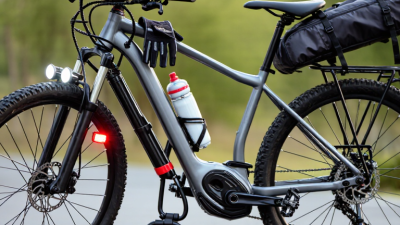
Choosing the best Bicycle Accessories begins with understanding how, where, and why you ride. A daily commuter needs different equipment from a weekend gravel cyclist. A bright front light may matter more than a sleek bottle cage on a dark city route. A waterproof pannier can protect a laptop better than a small backpack. Your bicycle, weather, distance, storage space, and personal comfort should guide every decision.
Grant Petersen, founder of Rivendell Bicycle Works and a respected bicycle designer, offers a practical reminder: “Use what fits your riding, not what looks impressive.” That principle is useful, although real choices are rarely perfect. A compact pump may save a long walk, but it can feel awkward during regular maintenance. A high-quality lock adds security, yet it also adds weight. These trade-offs deserve honest attention.
Start with safety and reliability. Choose lights with visible beam patterns, helmets with recognized safety certifications, and locks suited to your local environment. Check whether mounts fit your frame before purchasing. Measure handlebar space. Test gloves, saddles, and bags during short rides first. Marketing claims can sound convincing, but hands-on experience often reveals uncomfortable details.
The right accessories should disappear into your routine. They should not rattle over rough pavement or delay a quick stop. Consider repairability, warranty support, and replacement parts. You may not need the most expensive option. You need equipment that works consistently when conditions change. Even experienced riders sometimes buy attractive accessories they rarely use. That mistake is worth noticing.
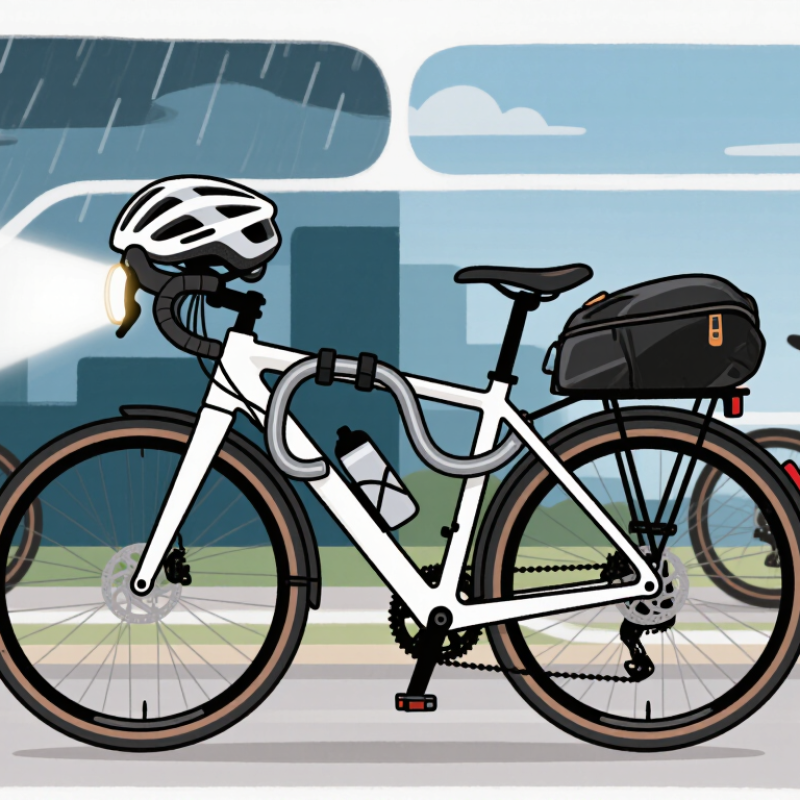
Before choosing accessories, be clear about how you ride. A commuter crossing town needs different gear from someone exploring gravel roads on weekends. Think about your usual distance, weather, terrain, and whether you carry a laptop, groceries, or repair tools. Write down what causes trouble on a typical ride. A wet seat? No easy place for a pump? Small annoyances often point to useful upgrades.
Start with safety and practical needs. If you ride near dusk, lights and reflective details can improve visibility. For longer routes, a compact repair kit, tire levers, and a pump may help you handle common punctures. A helmet that fits securely matters more than extra features. Check that bags attach firmly and do not interfere with steering or wheel movement. Test any new setup on a short ride before relying on it far from home. That small trial can reveal an awkward strap or a rattling tool.
Your habits may change, so avoid buying everything at once. I once thought a large handlebar bag would make every trip easier; it felt bulky on narrow paths and stayed home more often than expected. Start with one clear need, then assess whether the accessory actually solves it. Comfort is personal. What works for a smooth city commute may not suit rough trails, and a heavier setup can be tiring over long distances. Keep the gear you use, and reconsider the rest.
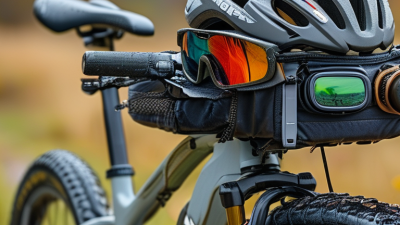
Choosing bicycle accessories starts with how and where you ride. For safety, a properly fitted helmet is essential, and front and rear lights help you stay visible at dusk or in cloudy weather. A small bell can alert pedestrians on shared paths. Check that lights are secure and charged before each ride; I have learned that a bright light is useless when its battery is flat.
Comfort depends on fit and distance. A saddle that feels fine on a short trip may cause soreness after an hour, so test changes on familiar routes. Padded gloves can ease pressure on your hands, while a water bottle within easy reach helps on warm days. Don’t buy every comfort item at once. Your body may need time to show what actually helps.
For everyday functionality, carry a basic repair kit, tire levers, and a pump suited to your valve type. A small bag keeps these items from rattling loose, though it can make the bike feel heavier. Choose accessories that match your usual rides, not an imagined perfect setup. Reassess after a few weeks; one item may remain untouched, and that is useful information.
| Accessory | Primary Benefit | Best For | What to Look For | Priority |
|---|---|---|---|---|
| Helmet | Helps protect the head in a crash. | Every rider, on roads and trails. | Choose a properly fitting helmet that meets applicable safety standards. It should sit level, feel secure, and have a fastened chin strap. | Essential |
| Front and Rear Lights | Help you see and make your bicycle more visible in low light. | Commuting, dawn or dusk rides, and night riding. | Consider suitable brightness, steady and flashing modes, battery life, weather resistance, and secure mounting. Follow local lighting laws. | Essential when visibility is reduced |
| Reflective Clothing or Accessories | Improve visibility by reflecting light from vehicles and street lighting. | Road riding and riding in dim conditions. | Look for reflective details visible from multiple directions, such as on a vest, jacket, ankle bands, or bags. | Highly recommended |
| Bell or Audible Signal | Lets you alert nearby pedestrians and other path users. | Shared paths, busy streets, and cycleways. | Choose a signal that is easy to reach and produces a clear sound. Check local requirements for bicycle warning devices. | Recommended |
| Lock | Helps deter theft when the bicycle is left unattended. | Commuters, students, and anyone making stops. | Choose a lock suited to the bicycle's value and the local theft risk. Make sure it can secure the frame and, where possible, a wheel to a fixed object. | Essential for parking |
| Comfortable Saddle | Can improve comfort on longer rides when correctly fitted. | Regular riders and longer-distance cyclists. | Match saddle width and shape to your riding position and sit-bone spacing. Comfort depends on fit, not simply on extra padding. | Personal fit |
| Padded Cycling Shorts | Can reduce friction and pressure during extended rides. | Long rides and frequent cycling. | Look for a close fit, breathable fabric, and padding suited to your riding duration. They are optional for short trips. | Optional for short rides |
| Water Bottle and Cage | Make it easier to carry and access water while riding. | Exercise, commuting, and warm-weather rides. | Check that the cage fits the frame mounting points and holds the bottle securely over rough surfaces. | Recommended |
| Repair Kit and Portable Pump | Help you handle common roadside problems such as a puncture. | Commuters and riders traveling away from home. | Carry a spare tube or patch kit, tire levers, and a pump compatible with your valve type. Learn how to use them before a ride. | Recommended |
| Rack or Pannier Bags | Carry work items, groceries, or ride supplies without a backpack. | Touring, commuting, and practical everyday trips. | Check rack compatibility and weight limits. Secure the load and keep it clear of the wheels, brakes, and moving parts. | Based on carrying needs |
| Fenders | Help reduce spray from wet roads reaching the rider and bicycle. | Wet-weather commuting and year-round riding. | Choose a style that fits the frame and tire clearance. Confirm that the fenders are securely attached and do not rub against the tires. | Useful in wet conditions |
| Bike Computer or Phone Mount | Can display route, speed, or ride information. | Navigation and training rides. | Use a secure mount suited to the device and bicycle. Set routes before riding and avoid interacting with a screen while moving. | Optional |
Choose accessories that fit both your bicycle and the places you ride. A narrow road bike may have little room for a rack, while a commuter bike may already have mounting points. Check frame clearance, attachment method, and weight limits before buying. Fit matters. A bag that rubs the rear wheel can damage gear and distract you. For wet streets, full-coverage fenders help keep spray off your clothes; on rough paths, secure mounts matter more than polished looks. PeopleForBikes reported that 112 million Americans rode a bicycle in 2023. That range of riders means there is no single ideal setup.
Your environment should guide visibility and carrying choices. On dim streets, position front and rear lights where bags or jackets will not block them. NHTSA recorded 1,105 pedalcyclist deaths in U.S. traffic crashes in 2022; lighting cannot prevent every collision, but being seen is a practical concern. For longer rides, choose storage that stays stable over bumps. For short errands, a small saddle bag may be enough. No setup is perfect; even a bright light can be hidden by a loaded pannier.
Tips: Before a ride, check that accessories are tight and clear of wheels, brakes, and cables. Try the setup on a short route. Keep it simple. If an accessory rattles or shifts, reconsider its placement rather than ignoring it.
Choosing bicycle accessories is less about adding gear and more about finding reliable pieces that fit your riding. Check compatibility before comparing prices: measure your handlebar diameter, rack mounts, tire clearance, and available seatpost space. A light that clamps securely on a stationary bike may slip over rough pavement. Small detail, big annoyance.
Quality and durability show up in materials, construction, and clear testing information. Look for sealed electronics, sturdy stitching, replaceable straps, and mounts that resist vibration. For helmets and other protective gear, check that the product meets applicable safety standards and fits snugly without pressure points. The National Highway Traffic Safety Administration recorded 1,105 bicyclist deaths in 2022; that figure makes visibility and protective equipment worth careful consideration, though no accessory can remove every risk. Test a light’s beam from your usual riding position, not just in your hand.
Overall value means weighing lifespan against purchase price. A slightly pricier rack may be a better buy if its fasteners stay tight and it carries your load without rubbing the wheel. Compare warranties, replacement-part availability, and care requirements. I’ve learned that a clever-looking accessory can still be awkward to use with gloves. Try it on your actual bike, if possible, and leave room for a change of heart.
Choosing bicycle accessories starts with your route, body position, and carrying needs. A rear light, bell, lock, and repair kit cover many daily rides.
NHTSA recorded 1,105 bicyclist deaths in the United States during 2022. Visibility and control deserve serious attention.
Choose lights with clear side visibility, not only high brightness. Select a helmet that fits firmly without pressure points. The CPSC recommends replacing helmets after serious impacts, even when damage looks minor.
Installation should be simple, secure, and testable. Tighten rack bolts evenly and check them after the first ride. Keep bags away from tires, spokes, chains, and brake cables. A phone mount should not block your view or controls.
I have overpacked for short rides before. That mistake changed my setup. Lightweight tools, a spare tube, tire levers, and a small pump usually beat a heavy emergency bag.
Maintenance protects both performance and safety. Inspect straps for fraying, lights for weak batteries, and fasteners for movement.
Clean mud from clips and mounting points after wet rides. The National Highway Traffic Safety Administration advises checking brakes, tires, and reflectors before riding. Do it every time.
Small checks matter. Replace cracked parts early. Keep a simple maintenance note with dates and problems found.
Industry guidance can be useful, but real riding conditions can expose weaknesses that manuals miss. A rack may pass a short test yet loosen on rough pavement, so inspect it again after several miles.