How to Choose the Best First Aid Kit for Your Needs?
Choosing the right First Aid Kit is crucial for your safety and well-being. It can make a difference in emergencies. A well-stocked kit provides peace of mind, knowing you're prepared for accidents or sudden illnesses.
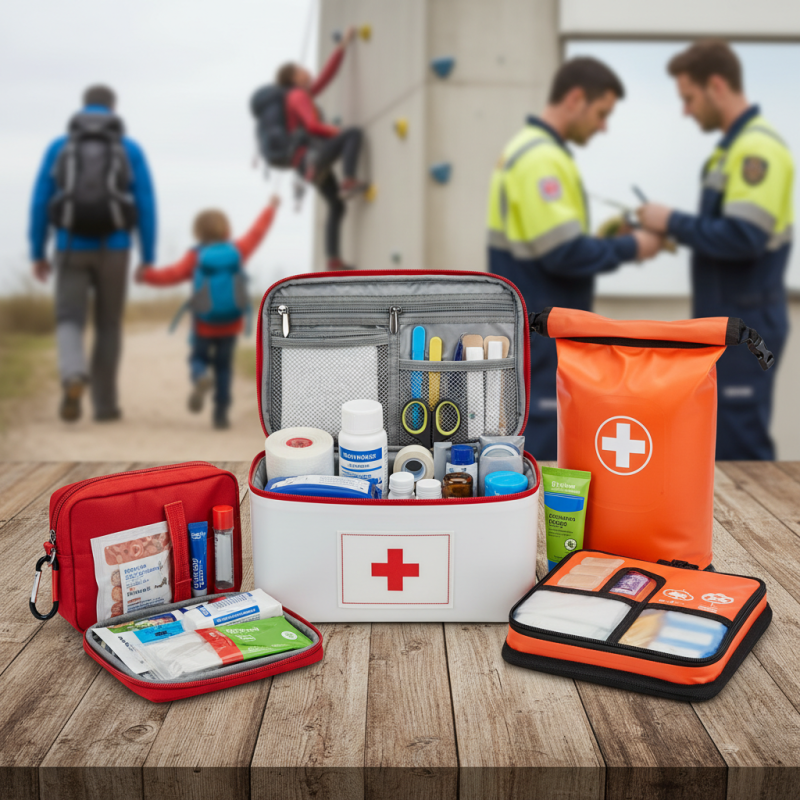
When selecting a First Aid Kit, consider your specific needs. Think about who will be using it. Families, outdoor enthusiasts, or workplace settings all require different items. Pay attention to details, like the size and portability of the kit. A compact kit is great for hiking. A larger kit is best for home use.
Reflect on past experiences. Have you ever reached for a kit only to find it lacking? This can happen if your kit doesn't match your lifestyle. Evaluate what’s inside your kit. Stock it with necessary supplies, but avoid excess. A well-organized First Aid Kit can save lives in critical moments.
Assessing Your Personal and Family Health Needs
When choosing a first aid kit, assessing your personal and family health needs is crucial. Think about any existing medical conditions in your household. Do someone have allergies? Is there a history of asthma? This will guide what supplies are essential for you. For example, if allergies are common, include antihistamines or an epinephrine auto-injector.
Consider the ages of family members too. Kids may need smaller bandages and specific medications. Adults might require more comprehensive supplies. Don't forget about your pets if they are part of your family. Reflect on potential situations you might face. Are you often hiking? Add supplies for cuts and bruises. If a family member regularly travels, consider portable and travel-friendly options.
It's easy to overlook some supplies. You may think a basic kit is enough, but it’s often lacking. Regularly evaluate your kit, checking expiration dates and replacing used items. Life changes frequently; your kit should adapt too. By understanding specific health needs and situations, you can create a more effective first aid kit.
Identifying Potential Risks and Emergencies
When considering a first aid kit, understanding your potential risks is crucial. Start by identifying environments where you spend the most time. If you hike often, consider injuries related to falls or bites. In contrast, if you cook frequently, burns or cuts might be more relevant. Each scenario requires different supplies. Think about the injuries that could occur and take note.
Emergency situations vary widely. Home environments pose unique challenges. Children might lead to more common accidents. In contrast, outdoor adventures demand preparedness for injuries like sprains or allergic reactions. Reflecting on your lifestyle can help tailor your kit. It’s easy to overlook specific needs. Preparing for the unexpected is vital, yet many ignore this aspect.
Make a list of items based on identified risks. Band-aids, antiseptics, or scissors might seem basic, but they’re essential. However, you might miss out on including items like tweezers or cold packs. Revisit your kit regularly. You may discover outdated supplies or missing essentials. Ensure that your kit reflects your current risks. Adjustments to your first aid kit can enhance preparedness and response time.
How to Choose the Best First Aid Kit for Your Needs?
| Risk Category |
Potential Emergencies |
Recommended Kit Features |
| Home |
Cuts, Burns, Allergic Reactions |
Adhesive Bandages, Antiseptic Wipes, Burn Cream, Antihistamines |
| Outdoor Activities |
Insect Bites, Scrapes, Heat Exhaustion |
Snake Bite Kit, Cold Packs, Insect Repellent, Sunscreen |
| Travel |
Food Poisoning, Diarrhea, Motion Sickness |
Anti-nausea Medication, Oral Rehydration Salts, Antibiotics |
| Workplace |
Cuts, Sprains, Falls |
Splints, Gauze Rolls, Scissors, Eye Wash |
| Sports |
Fractures, Sprains, Concussions |
Elastic Bandages, Cold Compresses, Instant Cold Packs, Concussion Protocol Materials |
Evaluating Essential First Aid Supplies and Equipment
Choosing the right first aid kit hinges on understanding its essential components. A well-stocked kit usually includes adhesive bandages, antiseptic wipes, gauze pads, and adhesive tape. Each item serves a unique purpose, from treating small cuts to preventing infections. It is wise to check expiry dates regularly. Outdated supplies can compromise care.
Additionally, consider the environment where you’ll use the kit. An outdoor enthusiast may need insect bite treatments and sterile dressings. A home kit should focus more on everyday items. Evaluate your specific needs carefully. Sometimes, a pre-packaged kit might lack crucial items you require. It's vital to customize your kit for your family's unique circumstances.
Don't underestimate the importance of education, too. Having the right supplies is only part of the equation. Knowing how to use them effectively can make a significant difference. Practice scenarios with your family can help everyone feel more prepared. It’s easy to overlook these aspects but enhancing first aid skills is essential for confidence in emergencies.
Choosing a Portable vs. Comprehensive First Aid Kit
When choosing a first aid kit, consider portability versus comprehensiveness. A portable kit is compact and easy to carry. This makes it ideal for hiking or camping trips. You can slip it into a backpack with ease. These kits usually contain basic supplies, such as band-aids, antiseptic wipes, and gauze. However, they may lack more specialized items.
On the other hand, a comprehensive kit offers a wider range of supplies. It might include splints, burn dressings, and emergency blankets. This type is better suited for at-home use or workplaces. But comprehensive kits can be bulky. They might not fit in small backpacks.
Choosing the right option often reflects your lifestyle and needs.
Think about where you spend time.
If you're more active outdoors, a portable kit might serve you best. If you're often at home or in an office, a comprehensive kit is wiser. Reflect on your typical activities. Knowing your routine helps in making an informed choice.