How to Choose the Right Gardening Gloves for Your Needs in 2025
Choosing the right gardening glove is essential for anyone who loves to nurture plants and cultivate their green spaces. As we step into 2025, the gardening landscape continues to evolve, offering a wide variety of gloves designed to meet the diverse needs of gardeners. Whether you are a novice enthusiast or a seasoned horticulturist, understanding the key features and benefits of gardening gloves can significantly enhance your gardening experience.
From protecting your hands against thorny bushes to providing comfort during long hours of planting, the right gardening glove is not just an accessory but a necessity. This guide will explore the different materials, designs, and functionalities available on the market today, ensuring that you select the perfect pair of gardening gloves tailored to your specific activities and preferences. By considering factors such as durability, flexibility, and practicality, you can make an informed decision that will keep your hands safe and enhance your gardening skills in the seasons to come.
Understanding the Different Types of Gardening Gloves Available Today
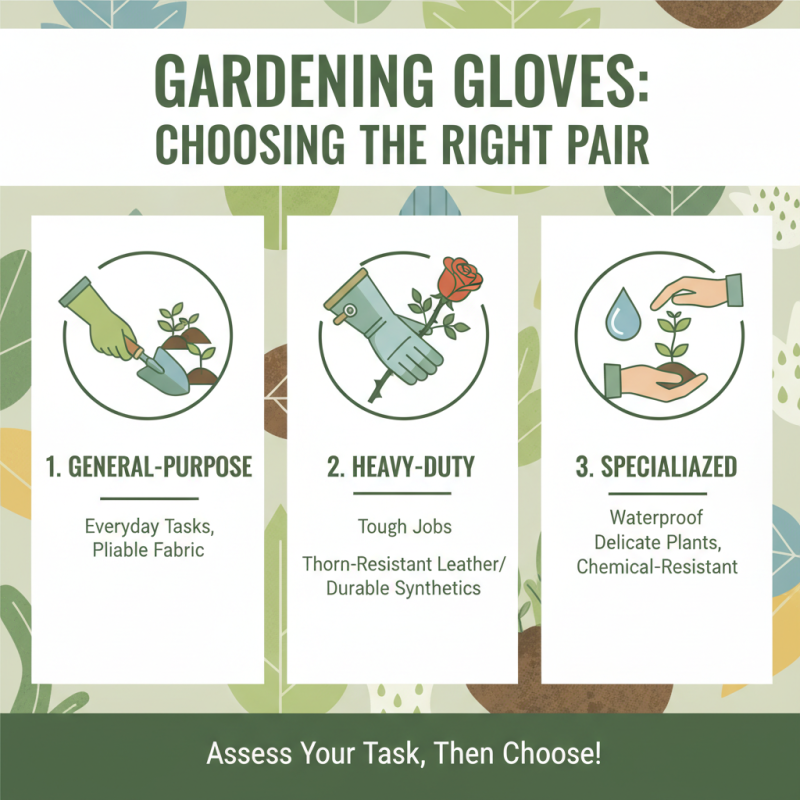
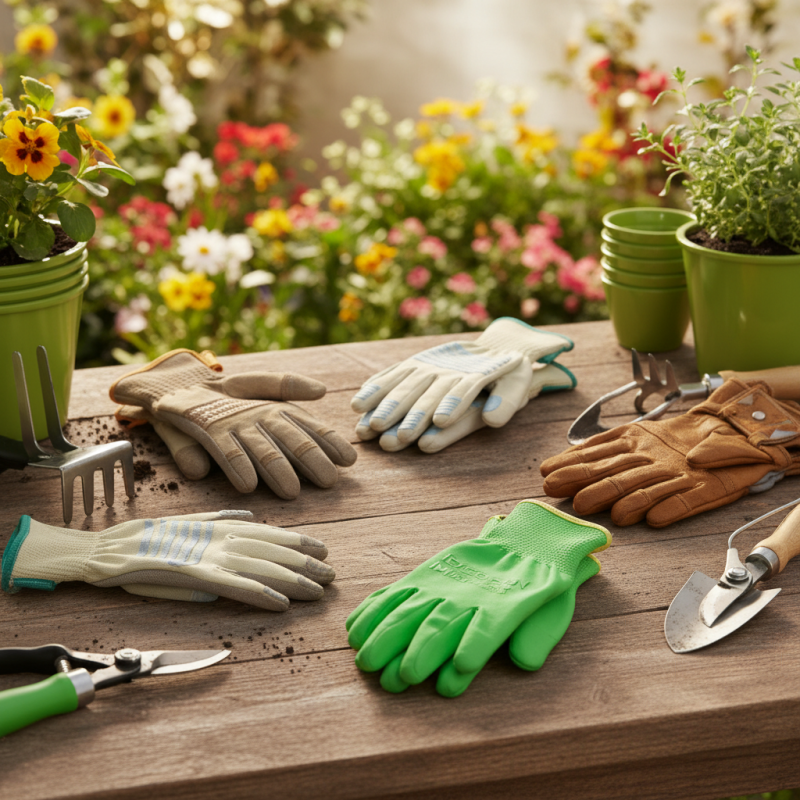
When it comes to choosing the right gardening gloves, understanding the various types on the market today is essential. Gardening gloves are designed for different tasks, from handling thorny plants to delicate seedlings. The most common types include general-purpose gloves, heavy-duty gloves, and specialized gloves like waterproof or thorn-resistant options. Each type serves a specific function, so it’s important to assess your gardening activities before making a choice.
Tips: Always consider the material of the gloves. For light gardening tasks, cotton or latex gloves can provide comfort and flexibility. If you are working with rough materials or thorny plants, opt for gloves made from leather or synthetic materials that offer more protection. Additionally, ensure the gloves fit well; a proper fit allows for better dexterity and comfort, reducing hand fatigue during longer gardening sessions.
Another tip is to think about the weather. If you often garden in wet conditions, investing in waterproof gloves can keep your hands dry and comfortable. On the other hand, breathable materials are ideal for hot, sunny days to prevent sweating and irritation. By selecting the right gardening gloves that match your needs and conditions, you can make your gardening experience much more enjoyable and efficient.
Key Features to Consider When Selecting Gardening Gloves
When selecting gardening gloves in 2025, it's essential to focus on key features that cater to your specific needs. First and foremost, consider the material of the gloves. Leather gloves offer durability and excellent protection against thorns and rough branches, making them ideal for heavy-duty tasks. On the other hand, breathable fabrics, such as cotton or synthetic blends, provide comfort for lighter gardening duties and help keep your hands cool during warmer months. Additionally, waterproof gloves are a perfect choice for handling wet soil or working in damp conditions, ensuring your hands stay dry and comfortable.
Tips for choosing gloves include taking the time to measure your hands accurately. A well-fitting glove should not be too tight or loose; it should allow for dexterity while providing adequate protection. Look for features like reinforced fingertips and padded palms, which can enhance durability and comfort, especially during extended gardening sessions. Lastly, consider gloves with extended cuffs to protect your wrists and forearms from soil and plant irritants, ensuring you remain protected while you enjoy your gardening endeavors.
How to Choose the Right Gardening Gloves for Your Needs in 2025 - Key Features to Consider When Selecting Gardening Gloves
| Feature |
Description |
Ideal Use |
| Material |
Choose between leather, cotton, or synthetic materials for durability and comfort. |
Heavy-duty tasks, general gardening, or lightweight tasks. |
| Length |
Available in short, wrist-length, or gauntlet styles for forearm protection. |
Handling thorny plants, digging, or general gardening. |
| Grip |
Features textured palms for better grip on tools and plants. |
Using garden tools, planting, or pruning. |
| Size |
Available in various sizes to ensure a snug fit. |
Comfort and dexterity for all gardening tasks. |
| Water Resistance |
Some gloves are waterproof or resistant to protect hands from moisture. |
Working in wet conditions or handling wet plants. |
| Breathability |
Materials that allow for ventilation to reduce sweat buildup. |
Hot weather gardening for comfort. |
| Toughness |
Look for reinforced seams and strong materials for longevity. |
Heavy-duty landscaping or tough gardening tasks. |
Materials Used in Gardening Gloves and Their Benefits
When selecting gardening gloves, understanding the materials used in their construction is crucial for maximizing comfort and protection while working in the garden.
Leather is a popular choice, known for its durability and excellent barrier against thorny plants. It provides a good grip and adapts to the hand over time, creating a snug fit. However, leather gloves can become stiff when wet, so it's essential to care for them properly to maintain flexibility.
Synthetic materials, such as nitrile and neoprene, offer excellent water resistance and are often lighter than traditional leather options. These materials are perfect for tasks involving wet soil or handling slippery plants. Moreover, they are typically more breathable, which can keep your hands cooler while you work. Additionally, many synthetic gloves come with added grip, making them an ideal choice for intricate tasks that require dexterity.
Tips: When choosing gardening gloves, consider the specific tasks you'll be performing. If you're doing heavy-duty work or dealing with thorny plants, opt for thicker leather gloves for better protection. For lighter gardening tasks, synthetic gloves may suffice. Always try gloves on for fit and comfort before making a purchase to ensure they won't impede your ability to work effectively.
Identifying Your Specific Gardening Needs for Glove Selection
When selecting gardening gloves, it’s essential to first identify your specific gardening needs. Different gardening tasks require different levels of protection and dexterity. For instance, if you are planning to handle thorny plants or engage in heavy-duty tasks such as digging or moving soil, you may need gloves with reinforced materials and thicker padding. Conversely, if you are focused on delicate tasks like planting seeds or pruning small plants, gloves with a thinner, more flexible design will allow for better tactile sensation and control.
Consider the gardening conditions you typically encounter as well. If you frequently work in wet or muddy environments, waterproof gloves can keep your hands dry and comfortable. On the other hand, if your gardening sessions often take place in hot, sunny weather, lightweight and breathable gloves will prevent overheating while protecting your skin from sun exposure. Additionally, some gardeners may have sensitivity to materials or specific allergies; thus, selecting gloves made from hypoallergenic materials may further enhance comfort and usability. By carefully evaluating these factors, you can choose the right gardening gloves that meet your needs for a more enjoyable gardening experience.
How to Choose the Right Gardening Gloves for Your Needs in 2025
This chart illustrates the percentage of gardeners who prioritize different features when selecting gardening gloves, based on a 2025 survey.
Care and Maintenance Tips for Prolonging the Life of Gardening Gloves
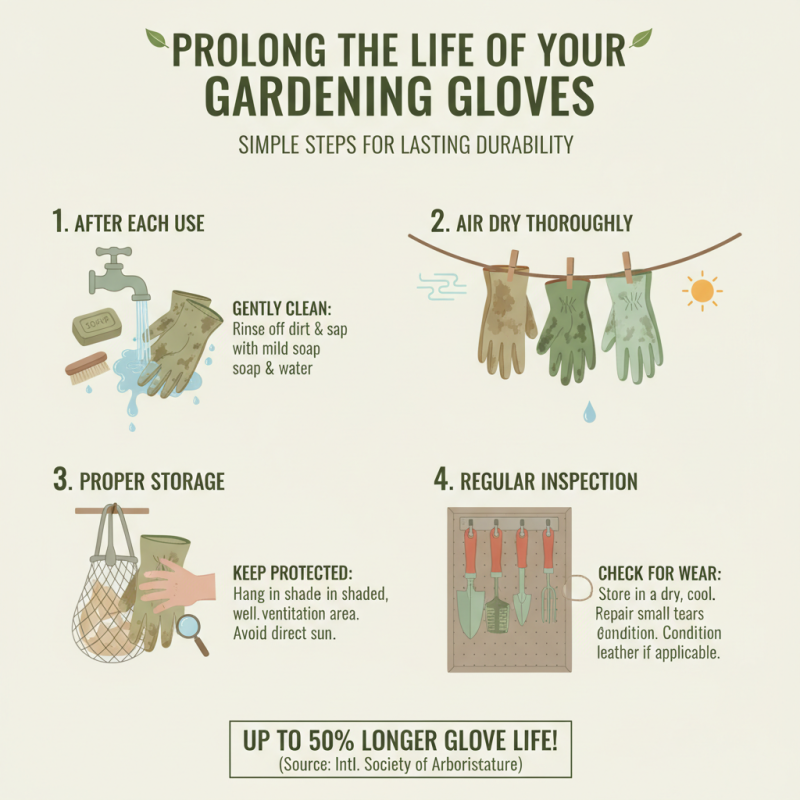
To prolong the life of gardening gloves, proper care and maintenance are essential. According to a report from the International Society of Arboriculture, gardening gloves can last up to 50% longer with regular cleaning and storage practices. After each gardening session, it’s advisable to gently clean gloves to remove dirt and sap that can degrade materials over time. A simple rinse with mild soap and water followed by thorough drying can significantly reduce wear and tear.
Moreover, storage practices play a crucial role in maintaining the integrity of gardening gloves. The American Horticultural Society emphasizes that gloves should be stored in a cool, dry place away from direct sunlight. Exposure to UV rays can cause materials to deteriorate, while humidity can promote mold and mildew growth. Considering that gardening gloves are often made from materials such as leather, synthetic fibers, or cotton, each type requires specific care; for instance, leather gloves may benefit from occasional conditioning to maintain their suppleness. By adhering to these care guidelines, gardeners can enhance the durability of their gloves, ensuring they provide protection and comfort season after season.