How to Choose the Best Hiking Sportswear for Your Outdoor Adventures?
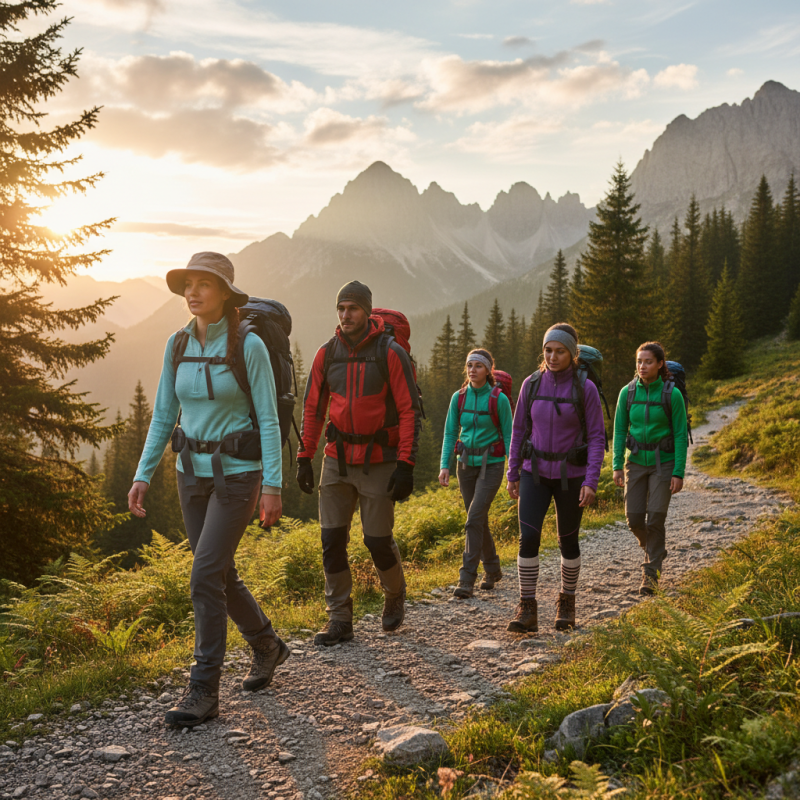
Choosing the right hiking sportswear is essential for outdoor adventures. The right gear can enhance comfort and performance. It can prevent discomfort and injuries during your hike.
When selecting hiking sportswears, consider the weather conditions. Breathable fabrics keep you cool on hot days. Insulated layers are vital for cold weather excursions. Pay attention to moisture-wicking features. Staying dry makes a big difference in your experience.
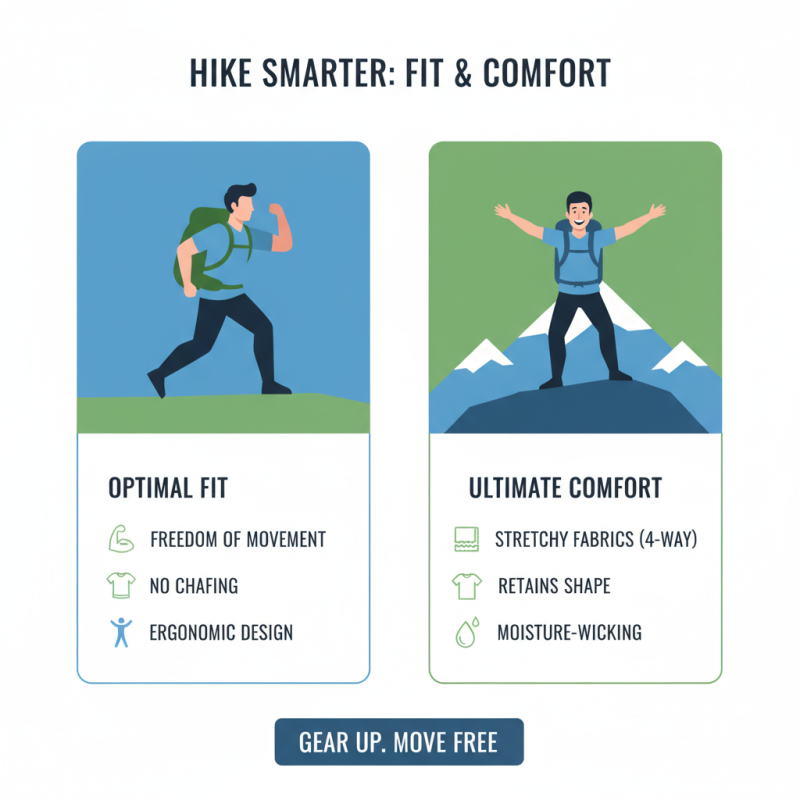
Fit matters too. Loose clothing can cause chafing, while tight garments may restrict movement. Find a balance for comfort. Reflect on your hiking habits. Do you hike often or just occasionally? Your choices should match your level of activity. Don’t overlook the importance of accessories like hats and socks. They complete your hiking outfit.
Understanding the Importance of Choosing the Right Hiking Sportswear
Choosing the right hiking sportswear can dramatically affect your outdoor experience. Proper clothing protects you from the elements. It also enhances comfort during long treks. Materials like moisture-wicking fabrics help keep you dry. This is crucial when you're sweating or in humid conditions. Breathable layers allow for temperature regulation. You don't want to be too hot or too cold.
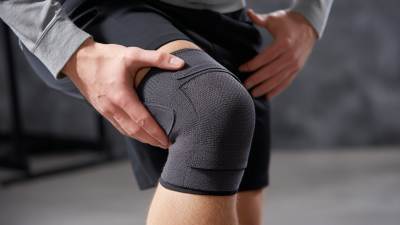
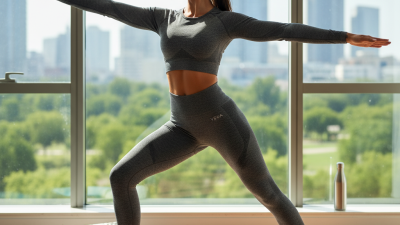
Also, consider the fit of your clothing. Hiking gear should allow for a full range of motion. Tight clothes can restrict your movement. Loose clothing might snag on branches. Look for pants with articulated knees or stretchy tops. These features can make a noticeable difference on the trail. Sometimes it’s easy to overlook. A heavy pack can also affect how your clothes feel. It’s worth trying everything on before you head outdoors.
Finally, think about colors and patterns. Bright colors can increase visibility. They stand out against nature. However, some may prefer subtle tones. Each choice has its pros and cons. Take a moment to reflect on your needs and preferences. What works for one might not work for another. Ultimately, your comfort and safety are what matter most.
Comparison of Hiking Sportswear Materials
Key Materials Used in Hiking Sportswear and Their Benefits
When choosing hiking sportswear, understanding materials is crucial. Fabrics significantly impact comfort and performance. For instance, moisture-wicking materials like polyester are common. These fabrics help pull sweat away from the body, keeping hikers dry. A report from the Outdoor Industry Association states that 70% of outdoor enthusiasts prioritize moisture control in their apparel choices.
Another essential fabric is nylon. Lightweight yet durable, nylon offers excellent resistance to wear and tear. According to a study by the American Hiking Society, 65% of hikers prefer nylon for its longevity and adaptability in different weather conditions. However, it can sometimes lack breathability, making it a less ideal choice in hot climates.
Merino wool is gaining popularity too. This natural fiber excels in temperature regulation, providing warmth in cold weather and coolness in heat. A survey showed that 55% of outdoor adventurers appreciate wool for its odor resistance. However, wool can be expensive and require careful washing. These factors highlight the complexities in selecting the right hiking sportswear. Hikers should weigh the trade-offs to find the best fit for their adventures.
Essential Features to Look for in Hiking Apparel
When choosing hiking apparel, focus on essential features. Breathability is crucial. Fabrics like moisture-wicking materials help keep you dry. Look for ventilation options, like mesh panels. This enhances air circulation during strenuous activities. A good fit is also important, as it prevents chafing and discomfort on long hikes.
Consider durability too. Choose materials that can withstand rough terrain. Reinforced seams and abrasion-resistant fabrics are beneficial. Don’t forget about weather resistance. Lightweight waterproof outer layers can protect against sudden rain. Check for pockets that are easily accessible. They should enable quick access to snacks or gear.
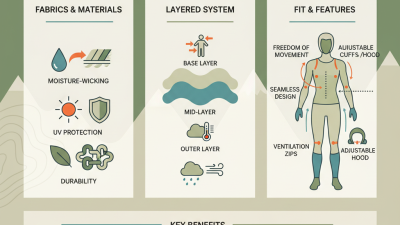
Reflect on your personal needs as well. An item may look great, but does it fit your hiking style? Functionality should always come first. Pay attention to the layering system for versatility. Think about how the clothing moves with you. You may need to try a few options before finding the perfect fit.
Tips for Maintaining and Caring for Hiking Sportswear
Taking care of your hiking sportswear is essential for longevity. Regular washing can keep fabrics in good condition. Experts recommend a gentle cycle with cold water. Using mild detergent ensures that the material stays intact. This can enhance moisture-wicking properties, keeping you dry on the trail. According to the Outdoor Industry Association, well-maintained gear performs up to 25% better over time.
Storage matters, too. Hanging your hiking gear can prevent wrinkles and retain shape. Avoid damp places; moisture can lead to mildew. It's important to inspect your gear regularly for damage. Even small tears can get bigger. Repairing them promptly ensures that your clothing remains functional. Industry reports show that over 40% of outdoor enthusiasts experience equipment failure due to neglect.
Lastly, consider the impact of UV exposure. Some fabrics can degrade quickly when exposed to sunlight. You might notice fading colors and reduced fabric strength. This doesn't mean you should avoid outdoor adventures. Instead, rotate your gear to minimize damage. Using a UV-protective spray can also provide extra care. Staying mindful of these details leads to a better hiking experience overall.
How to Choose the Best Hiking Sportswear for Your Outdoor Adventures? - Tips for Maintaining and Caring for Hiking Sportswear
| Item |
Material |
Features |
Care Tips |
| Hiking Pants |
Nylon or Polyester |
Breathable, Quick-Drying, Stretchable |
Machine wash cold, tumble dry low |
| Hiking Jacket |
Gore-Tex or Waterproof Fabric |
Water-Resistant, Windproof, Lightweight |
Spot clean, avoid dry cleaning |
| Hiking Boots |
Leather or Synthetic Materials |
Durable, Good Traction, Waterproof |
Clean regularly, use waterproof spray |
| Base Layer |
Merino Wool or Polyester |
Moisture-Wicking, Insulating |
Hand wash or machine wash on gentle cycle |
| Hiking Socks |
Merino Wool or Synthetic Blends |
Cushioned, Moisture-Wicking |
Machine wash, avoid fabric softeners |