How to Choose the Best Anti Splash Individual Protective Surgery Mask?
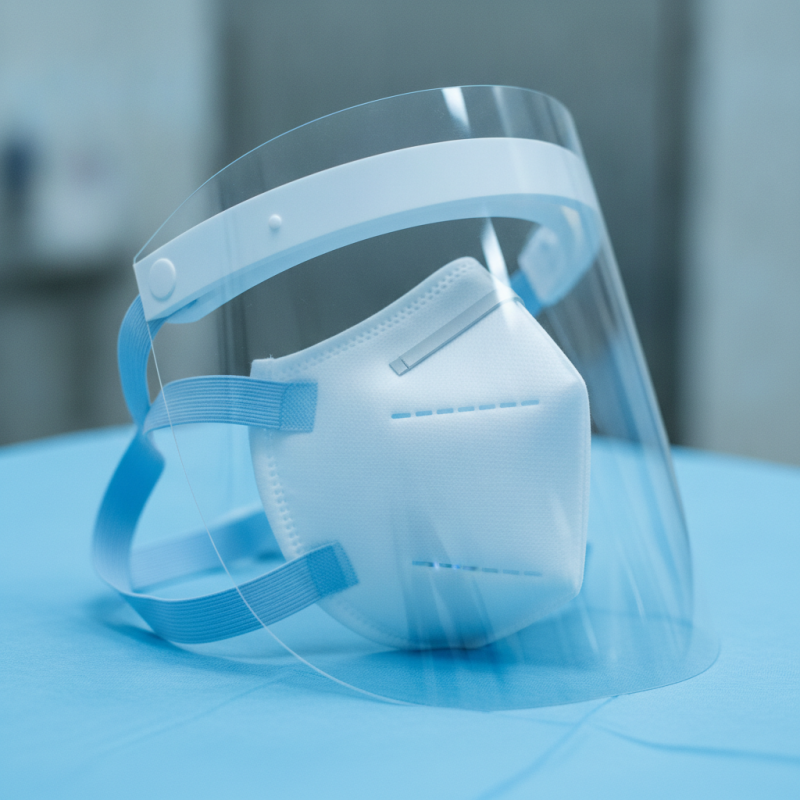
When selecting the best Anti Splash Individual Protective Surgery Mask, several factors come into play. These masks are essential for healthcare workers. They protect against fluids and droplets that may carry pathogens. Choosing a suitable mask is crucial for safety and comfort.
Material is a key aspect. High-quality masks often offer better filtration. They should also fit well to ensure maximum protection. Consideration of breathability is vital; a mask that is hard to breathe through can cause discomfort.
Not all masks are created equal. Some may lack essential features like adjustable straps or fog-resistant lenses. Evaluating various brands can lead to better choices. It’s important to seek recommendations from medical professionals. Their insights can guide you toward trusted options.
Understanding the Importance of Anti Splash Surgical Masks
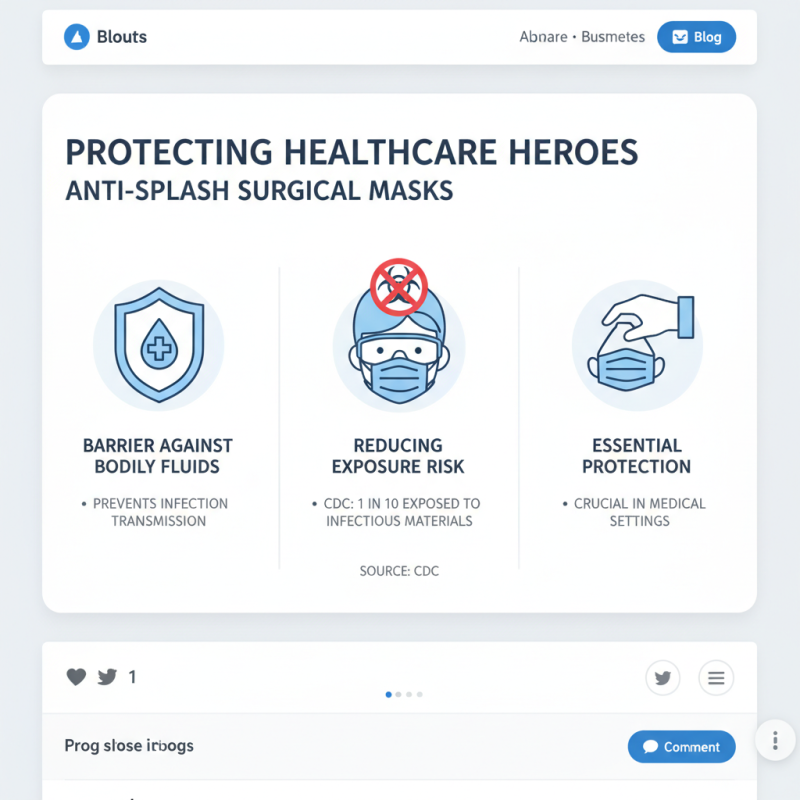
Anti splash surgical masks are crucial in various medical settings. These masks provide essential protection for healthcare workers. They guard against bodily fluids that may transmit infections. According to the CDC, nearly 1 in 10 healthcare workers report exposure to blood or other potentially infectious materials. Such risks highlight the need for effective protective equipment.
The design of anti splash masks plays a vital role in their effectiveness. Masks must fit securely and cover the nose and mouth completely. A report from the World Health Organization indicates that poorly fitted masks can create gaps. These gaps allow droplets to enter the mask, compromising safety. Additionally, masks should have fluid-repellent properties. This feature prevents liquids from breaching the material and reaching the wearer.
Choosing the right mask can be overwhelming. Many options are available, and not all provide the same level of protection. Healthcare facilities must evaluate different specifications. Compliance with standards like ASTM F2100 is critical. This ensures that the masks meet safety benchmarks. Regular training on mask use and selection is necessary, yet it is often overlooked. The gap in knowledge can lead to unsafe practices in healthcare environments.
Key Features to Look for in Anti Splash Masks
When selecting an anti-splash individual protective surgery mask, several key features should be prioritized.
The first aspect is material quality. Masks made from fluid-resistant materials provide crucial protection against splashes. According to a report by the Centers for Disease Control and Prevention (CDC), effective masks can reduce splash transmission by up to 95%. This statistic underscores the importance of choosing high-quality, reliable materials.
Another critical feature is the fit and comfort of the mask. A well-fitted mask not only ensures better protection but also enhances user compliance. Research from the Occupational Safety and Health Administration (OSHA) indicates that discomfort can lead to improper usage. Masks that are too loose or tight can allow splashes to penetrate, decreasing their effectiveness. Additionally, adjustable ear loops or ties can improve fit significantly.
It’s also important to consider the mask's breathability. High breathability ensures that users can wear the mask for extended periods without discomfort. Data suggests that masks lacking adequate ventilation may lead to compromised safety. Users should reflect on their environments and choose masks that balance protection and comfort effectively.
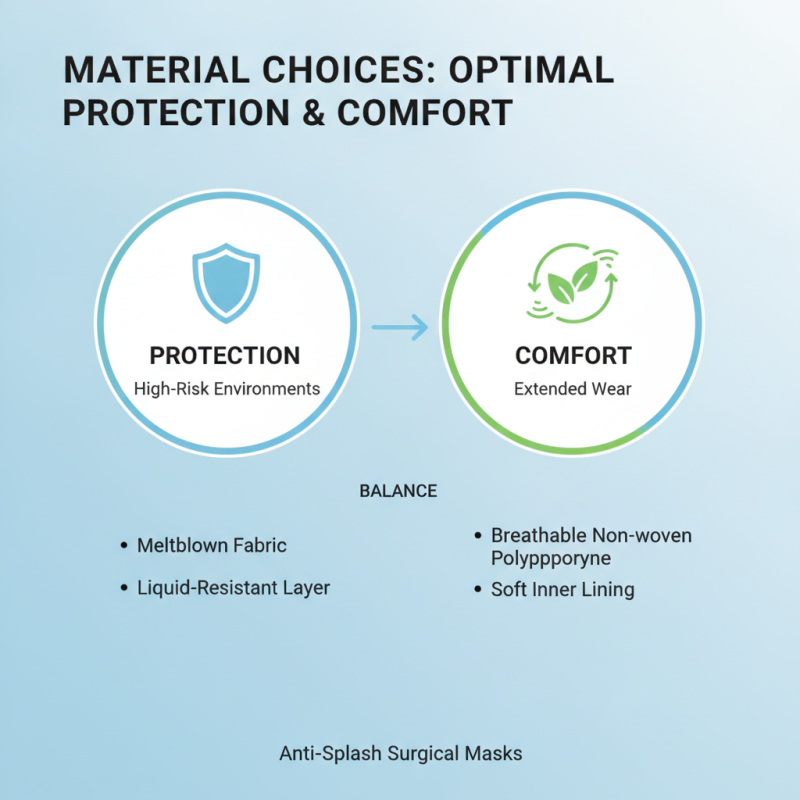
Material Choices for Optimal Protection and Comfort
Choosing the right material for an anti-splash individual protective surgery mask is critical. Different materials offer varied levels of protection and comfort. For instance, some masks utilize breathable fabrics that prioritize comfort. Others focus on filtration efficiency, which can be vital in high-risk environments.
N95 fabric is often favored for its filtration properties. However, it may not always be the most comfortable choice for prolonged wear. In contrast, cotton blends might feel softer against the skin but may lack adequate splash resistance. Finding the right balance can be tricky.
Consider also the mask's fit and design. A well-fitted mask reduces the risk of splashes reaching the face. Elastic bands need to be sturdy but not too tight. You may need to test a few options to find the most suitable. While you strive for optimal protection, remember that comfort is equally important in ensuring consistent wear.
Fit and Seal: Ensuring Maximum Efficacy of the Mask
When selecting an anti-splash individual protective surgery mask, fit and seal are crucial. A proper fit minimizes gaps that can allow splashes to enter. Masks should comfortably contour to the face, covering the nose, mouth, and chin completely. Adjustable ear loops and nose clips enhance the fit significantly. Users often overlook the importance of these features. A mask that slips or feels too tight is ineffective.
Testing the seal is essential. Before use, the wearer should perform a fit test. This involves breathing in and out. The mask should create a slight suction effect. If air leaks are felt around the edges, the mask may not provide adequate protection. This simple step often gets neglected, leading to a false sense of security. Regularly reviewing the mask's fit can promote safer practices in surgical settings.
Comfort also plays a key role. A mask that's comfortable encourages longer wear times. An uncomfortable mask leads to frequent adjustments, compromising the seal. Users may feel tempted to remove it during procedures, increasing exposure risk. Addressing these subtle, yet impactful, details can make all the difference in protecting healthcare professionals and patients alike.
How to Choose the Best Anti Splash Individual Protective Surgery Mask?
| Feature |
Importance |
Considerations |
Rating (1-5) |
| Fit |
Critical |
Ensure proper sizing for individual face shapes |
4 |
| Seal |
Essential |
Check for leaks by doing a fit test |
5 |
| Material |
High |
Use of fluid-resistant materials |
4 |
| Comfort |
Important |
Breathability and weight of the mask |
3 |
| Visibility |
Moderate |
Clarity of the mask material |
3 |
| Fluid Resistance |
Critical |
Protection against splashes and spray |
5 |
| Storage and Shelf Life |
Moderate |
Check expiration dates and storage advice |
4 |
Regulatory Standards and Certifications for Surgical Masks
When selecting an anti-splash individual protective surgery mask, understanding regulatory standards is crucial. Surgical masks must meet specific certifications to ensure they offer adequate protection. The American National Standards Institute (ANSI) and the Occupational Safety and Health Administration (OSHA) have established guidelines for masks' performance and safety. According to a 2022 report, only 30% of masks on the market complied with these standards.
In addition to regulatory certifications, masks must demonstrate fluid resistance and filtration efficacy. A mask should ideally provide a fluid resistance of at least 80 mmHg. Many masks fall short of this benchmark, often failing to prevent splatter effectively. Research indicated that around 25% of surgical masks did not protect against fluid penetration. This inconsistency poses concerns for healthcare professionals and patients alike.
It's essential to consider the fit and comfort as well. Many masks have adjustable features to improve snugness, yet not all masks accomplish this successfully. Reports show that users often experience discomfort after extended wear. Masks should balance adequate protection with user comfort. Awareness of these factors can help in making informed choices when selecting surgical masks.
Comparative Analysis of Regulatory Standards for Surgical Masks