Leave Your Message

China Top Drawstring Bag Manufacturer for Global Buyers

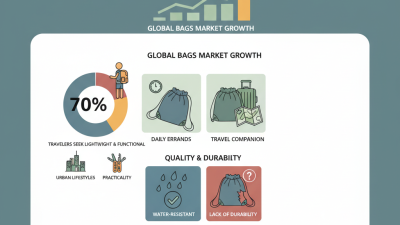
Global buyers are reassessing the humble Drawstring Bag. They want practical storage, reliable branding, and measurable sustainability. The opportunity is expanding. Grand View Research valued the global reusable bags market at approximately USD 9.7 billion in 2022. Its report also projects a 6.4% compound annual growth rate from 2023 to 2030. Smithers’ packaging outlook shows the wider global packaging market moving toward nearly USD 1.2 trillion by 2028.

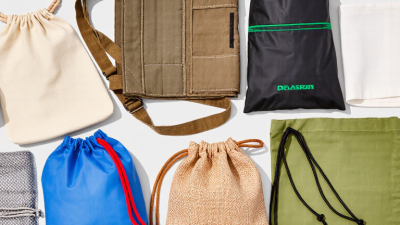
China remains an important sourcing base for this demand. Experienced manufacturers can produce cotton, recycled polyester, non-woven, canvas, and custom-mesh bags. A serious factory should show fabric specifications, colorfastness results, stitching samples, and packing details. Buyers should also request production photos, social-compliance evidence, and independent quality inspections. A nice sample is not enough.

Circular-design expert Ellen MacArthur said, “Waste and pollution are not accidents, but the consequences of the way we design things.” Her statement applies directly to bag sourcing. A reusable Drawstring Bag needs durable cords, reinforced seams, suitable fabric weight, and realistic reuse expectations. Recycled content can help, but it does not automatically prove lower environmental impact.

The picture is not perfect. Supplier claims may be incomplete. Certifications can also require careful checking. Global buyers should compare performance, documentation, lead time, and total cost together. The best China manufacturer is not simply the cheapest factory. It is the partner that communicates clearly, controls production consistently, and improves when a detail fails. Small details matter. A loose cord can damage an otherwise strong order.

China Top Drawstring Bag Manufacturer for Global Buyers

China’s Role in the Global Drawstring Bag Manufacturing Industry

China’s role in the global drawstring bag industry extends beyond low-cost production.

WTO data show that China supplied about 14.2% of world merchandise exports in 2023. UN Comtrade records also place China among the leading exporters in HS 4202.92, a category covering many textile travel and storage bags. The classification is broad. Drawstring bags are not measured separately.

Factory experience explains part of this position. Export-oriented workshops can source polyester, cotton, webbing, cords, and printed labels within established regional supply chains.

A typical production line may check fabric weight, seam strength, cord length, and color consistency before packing. These details matter when bags face repeated pulling, folding, and shipping. The process is practical.

Quality still varies. This needs attention.

Buyers should request pre-production samples, material specifications, inspection records, and test results before placing large orders. ISO 9001-based procedures can improve traceability, but certification alone does not guarantee every shipment. The UN Environment Programme has reported that global plastic pollution could rise sharply without stronger circular-economy measures. This pressure is influencing bag design, including recycled fibers, reusable packaging, and reduced ink coverage. However, recycled content may change hand feel, strength, or color stability. Suppliers must explain those trade-offs clearly, not hide them behind attractive sustainability claims.
How to Evaluate a Top Drawstring Bag Manufacturer in China

A top drawstring bag manufacturer should prove capability, not repeat sales claims. Start with factory experience, export records, and production samples. Ask for fabric weight, stitching density, cord strength, and dimensional tolerances. These details reveal more than polished catalog photos.

Material selection also matters. Textile Exchange’s 2024 Materials Market Report states that polyester represented about 57% of global fiber production in 2023. This makes recycled or conventional polyester a common option, but the supplier should provide composition records and relevant testing. Request test reports for colorfastness, seam strength, abrasion, and restricted substances. Verify the laboratory and report date. A certificate alone is not enough. I have seen impressive samples fail after repeated opening and closing.

Tips: Order a pre-production sample. Measure it yourself. Then test the cord, seams, print, and wash performance. Compare the approved sample with mass-production units.

A reliable Chinese manufacturer should also show process control. Check incoming-material inspection, inline quality checks, final inspection, and carton traceability. Ask how defects are recorded and corrected. The International Trade Centre recommends using documented trade and supplier information when assessing cross-border partners. Apply that discipline here. Review lead times, minimum order quantities, packaging details, and response speed in writing. Factory size can help, but it does not guarantee consistent quality. Sometimes a smaller workshop communicates better, yet lacks backup capacity during peak seasons. That risk deserves a clear contingency plan.

Materials, Designs, and Customization Options for Global Buyers

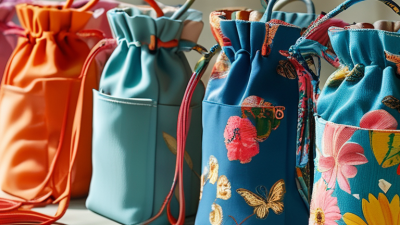
A reliable drawstring bag manufacturer in China should offer more than a low quotation. Global buyers need clear material guidance, stable sampling, and practical customization support. Cotton canvas creates a soft, natural feel for retail packaging and everyday use. Recycled polyester handles moisture better and supports lightweight travel designs. Nylon works well when tear resistance matters. Each fabric changes the bag’s weight, texture, printing result, and final cost.

Design details deserve equal attention. A workshop sample may include reinforced corners, smooth cords, metal eyelets, or an inner pocket. These small features affect daily handling. Buyers can request custom dimensions, cord colors, woven labels, heat-transfer graphics, or full-surface printing. Pantone color matching improves consistency, but fabric texture can still alter the visual result. It is not always exact. A thoughtful manufacturer should explain this before bulk production begins.

Start with a clear specification sheet. Include measurements, fabric weight, artwork format, packaging requirements, and expected use. A sample check should test stitching, cord strength, washing behavior, and print alignment. Small defects often appear at this stage. That is useful. Correcting them early costs less than repairing a large shipment. Experienced production teams can suggest improvements, yet buyers should question every recommendation against their market needs. A beautiful bag that feels uncomfortable or cannot stand upright may fail in real use. Practical testing matters.

Quality Control, Certifications, and Production Standards

Quality control begins with measurable production standards, not attractive samples. For drawstring bags, we inspect fabric weight, width, color consistency, stitching density, and cord attachment before cutting. Each batch receives a traceable production code. Small defects matter. A loose eyelet can damage the user’s confidence.

Our quality system should align with ISO 9001 procedures, including approved suppliers, inspection records, corrective actions, and final sampling. The ISO Survey 2022 recorded more than 1.26 million ISO 9001 certificates worldwide, showing the standard’s broad industrial importance. However, certification alone proves little without current audit evidence. Buyers should request scope details, expiry dates, and factory-level records.

Production testing can follow recognized AQL sampling practices, while seam strength, colorfastness, dimensional tolerance, and cord-pull performance need documented limits. Environmental controls may reference ISO 14001, and textile safety can be assessed through independent restricted-substance testing. The Textile Exchange Materials Market Report 2024 reported global fiber production at 124 million tonnes in 2023, increasing pressure for responsible material control. Recycled fabric also requires reliable composition verification. Our weak point may be manual inspection during peak seasons. That risk deserves review, not concealment. Consistent training, calibrated tools, and random rechecks help reduce avoidable variation.

Ordering, Pricing, Shipping, and Supplier Management from China

Buying drawstring bags from China works best when the specification is measurable. State fabric weight, dimensions, cord type, color codes, printing method, and acceptable tolerance. Ask for a pre-production sample before approving bulk production. Factories often quote by material, quantity, printing coverage, packaging, and destination terms. Request each cost separately. A low unit price may exclude tooling, inspection, cartons, or inland transport. Compare complete landed estimates, not attractive headline figures. I once treated a small color variation as harmless; it became obvious across a large shipment.

For repeat orders, use a written purchase sheet with revision numbers and approval dates. Include inspection points for stitching, cord strength, dimensions, odor, stains, and print alignment. An independent inspection before loading can reveal shortages or mixed specifications. Do not rely on photographs alone. Keep a tolerance record. Payment milestones should match production progress, while retaining a reasonable balance until inspection. Some suppliers communicate well before payment, then respond slowly when deadlines tighten. That risk deserves a backup contact and a documented escalation path.

For shipping, confirm carton size, gross weight, carton count, port, delivery address, agreed Incoterm, and required documents. Sea freight suits planned volume, while air or express services may help with urgent samples. Transit time is not the full schedule. Allow time for booking, customs processing, warehouse receiving, and possible inspections. Ask the supplier to send loading photos and final carton data before dispatch. For destination compliance, request material declarations or test reports where applicable. Yet even a careful process can miss a production issue. Review every shipment honestly, and adjust the next order.