2025 Essential Guide: Choosing the Best Hiking Sportswear for Optimal Comfort
When embarking on a hiking adventure, selecting the right hiking sportswear can make all the difference between a comfortable experience and an arduous one. The ideal hiking sportswear not only enhances your performance but also protects you from varying weather conditions and uneven terrain. As the outdoor community continues to grow, understanding the essential features of hiking sportswear becomes increasingly vital for both seasoned hikers and newcomers alike.
In this essential guide for 2025, we will explore how to choose the best hiking sportswear, focusing on the key aspects that contribute to optimal comfort. From moisture-wicking fabrics to proper fit and layered clothing systems, each element plays a crucial role in ensuring that you enjoy your time in nature without the distraction of discomfort. Whether it's a day hike or a multi-day trek, investing in the right gear is an investment in your hiking experience, allowing you to concentrate on the breathtaking landscapes around you instead of battling the elements. Join us as we delve into the world of hiking sportswear, expertly navigating through materials, designs, and practical tips for making informed choices.
Understanding the Importance of Proper Hiking Sportswear for Comfort
Choosing the right hiking sportswear is crucial for ensuring comfort during outdoor activities. According to a 2021 report from the Outdoor Industry Association, nearly 50% of hikers cited comfort as a primary concern when selecting gear. This highlights the significance of proper clothing choices; the right materials and fits can drastically enhance the overall experience. Fabrics that wick moisture away, such as merino wool or synthetic blends, can keep the body dry and regulate temperature, which is vital for maintaining energy levels and preventing chafing or irritation.
Additionally, an analysis on outdoor performance wear from the Journal of Sports Sciences emphasized that layering is an essential strategy for temperature control. A well-structured layering system, encompassing base layers, insulative layers, and weather-resistant outer layers, can improve thermal efficiency and adapt to changing environmental conditions. Proper fit is equally important; clothing that allows for a full range of motion can prevent limitations caused by tight or restrictive gear. The study showed that 70% of outdoor enthusiasts prefer clothes that prioritize comfort and functionality over brand loyalty, indicating a shift towards performance-focused selections that enhance enjoyment during hikes.
Key Materials Used in High-Performance Hiking Sportswear
When it comes to choosing the best hiking sportswear, understanding the key materials used can significantly enhance your comfort and performance on the trails. High-performance hiking apparel typically features fabrics like nylon and polyester, both renowned for their durability and moisture-wicking properties. According to a report by the Outdoor Industry Association, around 57% of outdoor enthusiasts prioritize moisture management in their clothing, emphasizing the importance of materials that keep sweat away from the body. Nylon is particularly valued for its strength and resistance to abrasions, making it ideal for rugged outdoor conditions.
In addition to nylon and polyester, many brands are now incorporating materials like merino wool and synthetic blends into their hiking gear, which offer unique benefits. Merino wool is celebrated for its natural temperature regulation and odor-resistant properties. A study from the Textile Research Journal found that merino wool can regulate body temperature more effectively than synthetic materials, helping to keep hikers comfortable in varying weather conditions. Furthermore, advances in fabric technology have led to the emergence of lightweight, breathable membranes like Gore-Tex, which provide waterproof protection without sacrificing ventilation. This combination of high-performance materials not only increases comfort but also enhances your overall hiking experience, allowing you to focus on the adventure ahead.
Essential Features to Look for in Hiking Clothing
When choosing hiking sportswear, it’s crucial to focus on essential features that enhance comfort and performance on the trail. One significant aspect to consider is moisture-wicking fabric. Clothes made from materials that draw sweat away from your body help regulate your temperature, keeping you dry and comfortable during strenuous hikes. Look for garments with ventilation options, such as mesh panels or zippers, which can provide additional airflow when the weather warms up.
Another key feature is insulation for cooler conditions. Lightweight, packable insulating layers can be a game-changer, offering warmth without bulk. Opt for breathable options that allow sweat to escape, ensuring you don’t overheat or become damp from trapped moisture. Additionally, consider the fit of your hiking clothing; garments that are too tight can restrict your movement, while overly loose clothing may become cumbersome while climbing.
Tips: Always try on hiking gear before purchasing to ensure a proper fit that allows for layering. Look for clothes with reinforced seams and durable materials to withstand rugged conditions. Lastly, prioritize UV protection to shield your skin from harmful sun rays, especially during long excursions.
2025 Essential Guide: Choosing the Best Hiking Sportswear for Optimal Comfort
| Feature |
Description |
Importance Rating (1-5) |
| Breathability |
Ability of fabric to allow moisture vapor to escape, preventing overheating. |
5 |
| Moisture-Wicking |
Fabric that pulls sweat away from the body, keeping you dry. |
5 |
| Insulation |
Material that traps heat in cold conditions to maintain body temperature. |
4 |
| Durability |
Resistance of fabric to wear and tear from the environment. |
5 |
| Stretchability |
Ability of fabric to stretch for better movement and comfort. |
4 |
| Wind Resistance |
Ability to block wind to protect against cold and uncomfortable conditions. |
4 |
| UV Protection |
Fabric that offers protection against harmful UV rays from the sun. |
3 |
Layering Techniques for Maximum Comfort During Hikes
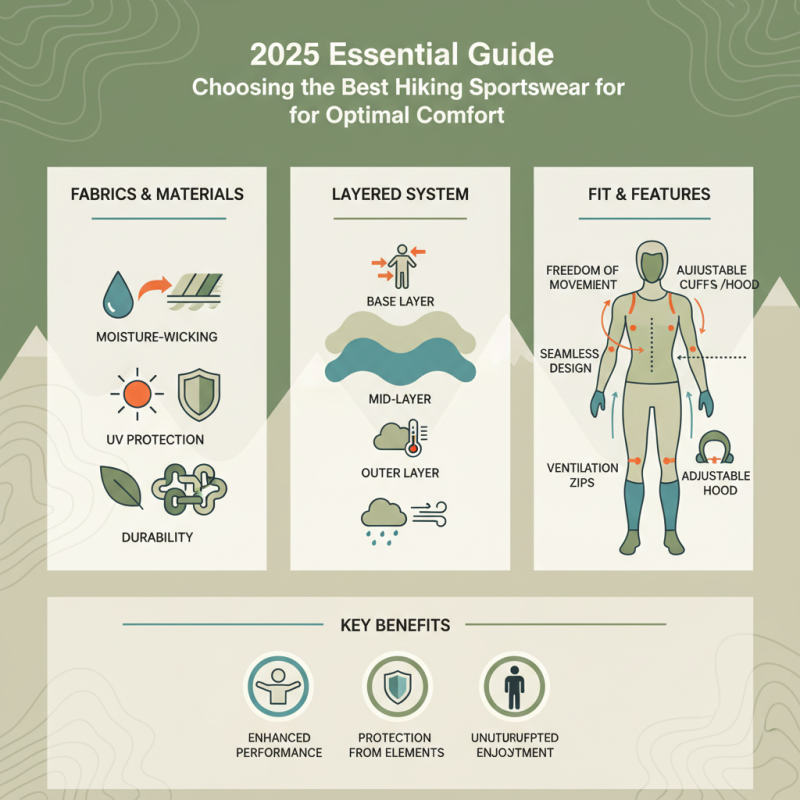
When it comes to hiking, the right layering techniques can significantly enhance comfort and performance. The foundation of your hiking attire should start with a moisture-wicking base layer that helps keep sweat away from your skin. This is particularly important during physical exertion, as it reduces the chill from perspiration and helps regulate body temperature. Look for materials such as merino wool or synthetic fibers that offer breathability and quick-drying properties.
 The next layer is the insulating layer, which provides warmth while also allowing moisture to escape. Fleece or down jackets are excellent choices for this purpose, as they trap heat without adding excessive bulk. When selecting an insulating layer, consider the weather conditions and the intensity of your hike. Lastly, an outer shell layer is essential to protect you from environmental elements like wind and rain. A waterproof and breathable jacket can shield you from harsh conditions while ensuring that your inner layers remain dry and cozy. By mastering these layering techniques, you can enjoy your hikes comfortably, no matter the weather.
Choosing the Right Footwear for Hiking Adventures
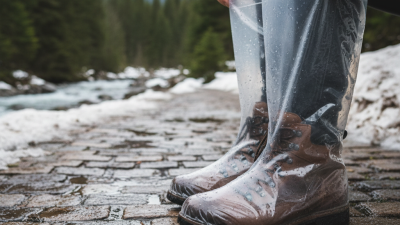
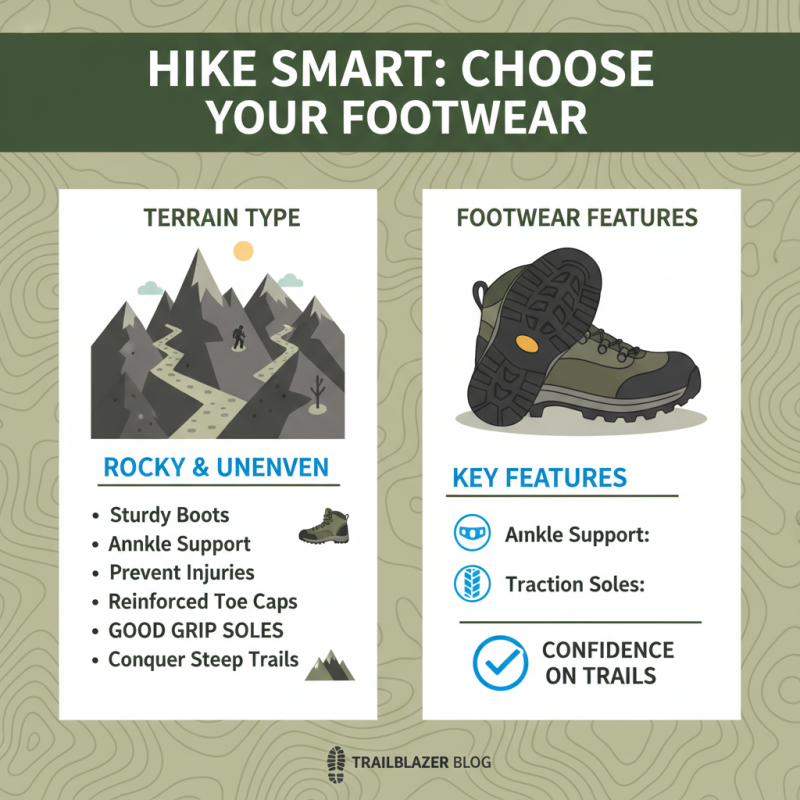
Choosing the right footwear is crucial for an enjoyable hiking experience. When selecting hiking shoes or boots, consider the terrain you’ll be navigating. For rocky and uneven paths, sturdy boots that provide ankle support are essential. These types of footwear help prevent injuries by offering stability on unpredictable surfaces. Look for features such as reinforced toe caps and good grip soles that ensure traction, allowing you to conquer steep trails with confidence.
Another key factor is the fit of the footwear. It’s important to try on shoes with the socks you intend to wear during your hikes, ensuring a snug fit without compromising comfort. Pay attention to the toe box; there should be enough room for your toes to move freely without hitting the front of the shoe. Additionally, breathable materials that wick moisture away can make a significant difference in overall comfort, especially on longer hikes. Ultimately, investing in the right hiking footwear tailored to your specific needs will enhance your outdoor adventures and keep your feet happy on the trails.